US shipping Secure card payment Thousands of titles
👤 Sign in

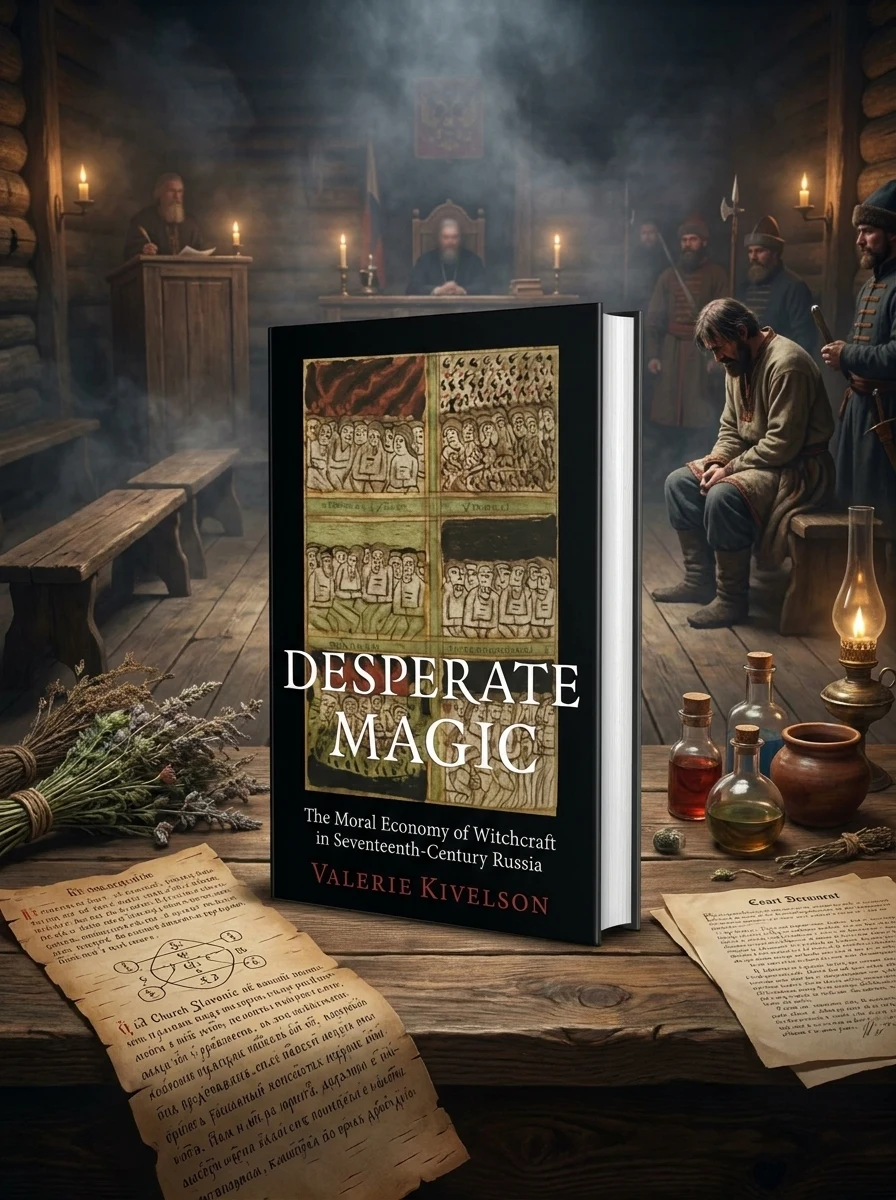
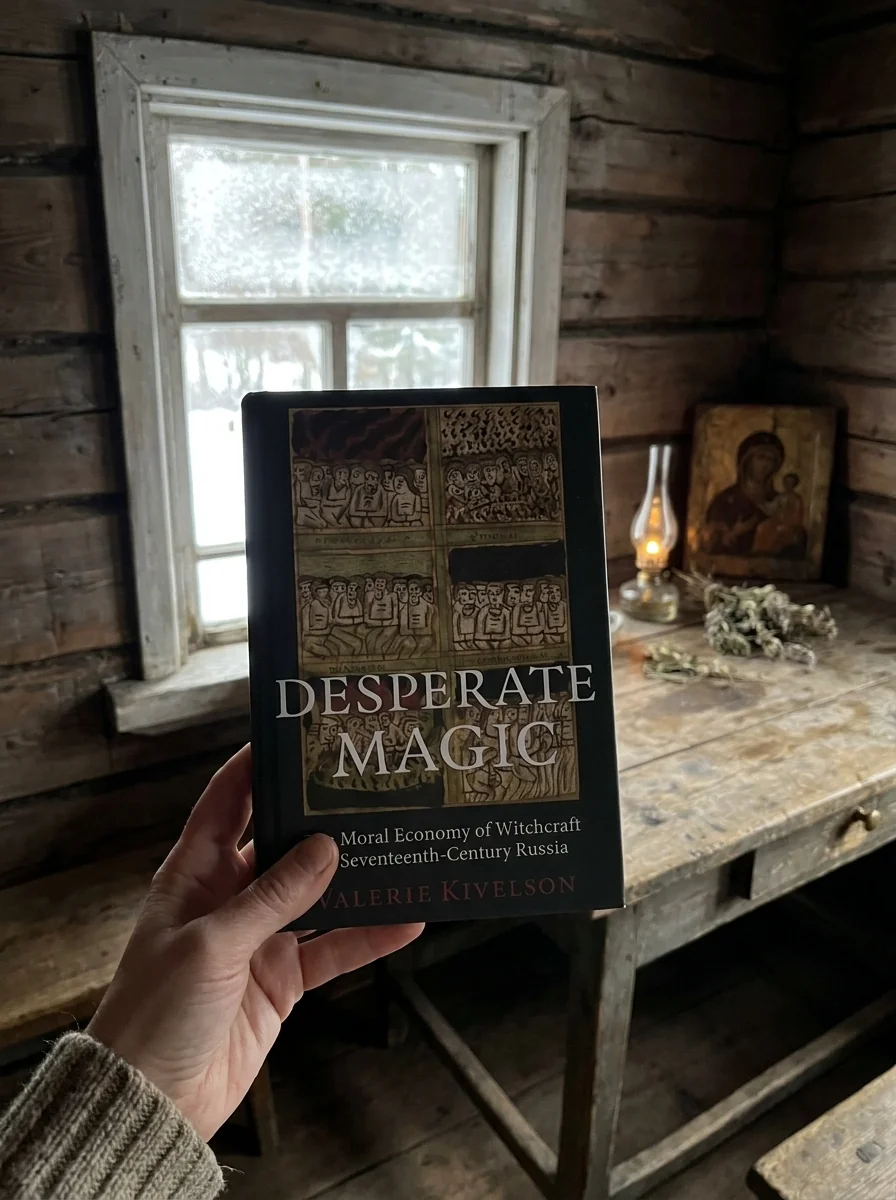
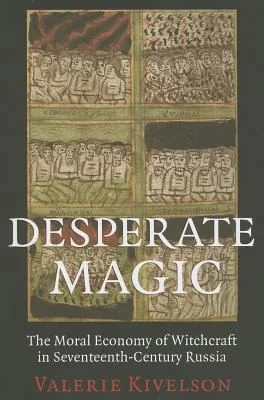
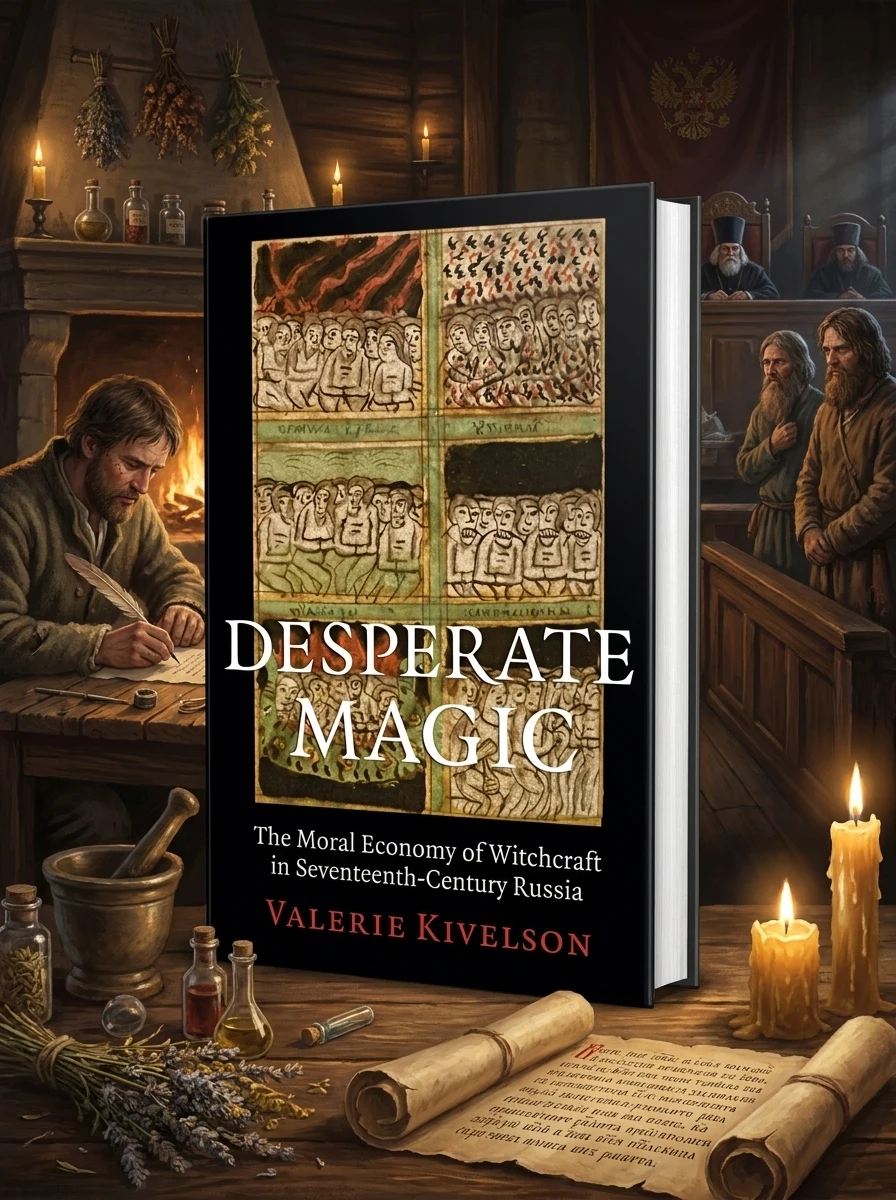
Desperate Magic: The Moral Economy of Witchcraft in Seventeenth-Century Russia

✍️ Kivelson, Valerie A
40 $
📚 ABOUT THE BOOK

Uncover Russia's unique witch trials, where men, not women, often faced charges of desperate magic.

Step into the seldom-explored world of 17th-century Russian magic, where the accused often defied typical European gender norms. Unlike the widespread persecution of women for diabolism in the West, Muscovite courts primarily targeted men—and some women—for practicing practical, earthly spells and remedies. This groundbreaking study delves into trial records, revealing how these acts of 'desperate magic' were often attempts to challenge or cope with the oppressive realities of patriarchy, serfdom, and rigid social structures, rather than Satanic pacts. It offers a comparative perspective, illustrating the distinct moral economy underpinning Russian magical beliefs and justice.

Key themes
{'title': 'Male Witches in Muscovy', 'body': "Unlike Western Europe, 17th-century Russia saw primarily men accused of witchcraft. This book delves into why male practitioners of 'down-to-earth' magic were targeted, exploring the unique cultural and social factors that led to this distinct gender profile in Muscovite courts and challenging common assumptions about witchcraft history."} {'title': 'Earthly Spells, Not Satan', 'body': 'This study contrasts Russian magical practices with the diabolical accusations prevalent in Catholic and Protestant Europe. Muscovite trials focused on practical charms, poetic incantations, and homemade remedies, not Satanic pacts. These were often employed to influence daily life, address grievances, or navigate harsh societal realities, reflecting a distinct spiritual landscape.'} {'title': 'Magic and Social Subversion', 'body': 'Kivelson reveals how witchcraft accusations in Russia intertwined deeply with social dynamics. Magic was often perceived as a tool to challenge or cope with oppressive conditions like patriarchy, serfdom, and rigid social hierarchies. The trials expose a hidden moral economy where individuals sought agency and redress against systemic injustices through supernatural means.'}
🏛 Cornell University Press 📅 2013 📖 376 pages 📔 Paperback 📐 Paperback ISBN: 9780801479168
In stock — ready to ship
Fun fact
Kivelson's 'Desperate Magic' is an indispensable work, masterfully excavating a unique chapter in witchcraft history. It excels in its rigorous use of primary sources, offering a nuanced, comparative look at Russian magic that boldly challenges Western-centric narratives. Readers expecting lurid tales of Satanic pacts might be disappointed; its strength lies in revealing the pragmatic, socio-economic roots of Muscovite magical practice. A vital contribution, reshaping our understanding of early modern social history.

📝 Description: Desperate Magic: The Moral Economy of Witchcraft in Seventeenth-Century Russia

In the courtrooms of seventeenth-century Russia, the great majority of those accused of witchcraft were male, in sharp contrast to the profile of accused witches across Catholic and Protestant Europe in the same period. While European courts targeted and executed overwhelmingly female suspects, often on charges of compacting with the devil, the tsars' courts vigorously pursued men and some women accused of practicing more down-to-earth magic, using poetic spells and home-grown potions. Instead of Satanism or heresy, the primary concern in witchcraft testimony in Russia involved efforts to use magic to subvert, mitigate, or avenge the harsh conditions of patriarchy, serfdom, and social hierarchy. Broadly comparative and richly illustrated with color plates, Desperate Magic places the trials of witches in the context of early modern Russian law, religion, and society. Piecing together evidence from trial records to illuminate some of the central puzzles of Muscovite history, Kivelson explores the interplay among the testimony of accusers, the leading questions of the interrogators, and the confessions of the accused. Assembled, they create a picture of a shared moral vision of the world that crossed social divides. Because of the routine use of torture in extracting and shaping confessions, Kivelson addresses methodological and ideological questions about the Muscovite courts' equation of pain and truth, questions with continuing resonance in the world today. Within a moral economy that paired unquestioned hierarchical inequities with expectations of reciprocity, magic and suspicions of magic emerged where those expectations were most egregiously violated. Witchcraft in Russia surfaces as one of the ways that oppression was contested by ordinary people scrambling to survive in a fiercely inequitable world. Masters and slaves, husbands and wives, and officers and soldiers alike believed there should be limits to exploitation and saw magic deployed at the junctures where hierarchical order veered into violent excess.

⭐ Reader reviews

The starting rating comes from the team Esoterica Books — add yours →
⭐ Esoterica editorial review Editorial rating 4.6/5
★★★★
For those intrigued by the social history of magic, Russian culture, or comparative witchcraft, this book offers a vital perspective. It challenges Western-centric views, revealing how practical magic in Muscovy intersected with gender, power, and societal resistance, offering a fresh historical…

Reader rating

Reviews yet. Be the first!

❓ Frequently asked questions

Unlike the predominantly female, diabolical accusations in the West, 17th-century Russian trials focused on practical, 'down-to-earth' magic, often practiced by men, and generally viewed as attempts to influence daily life or challenge social norms, not pacts with the Devil.
The book details everyday magical practices including poetic spells, incantations, herbal remedies, and home-grown potions. These were often used for protection, healing, or to exert influence within the patriarchal and hierarchical society, reflecting a pragmatic approach to the supernatural.

📖 Who should read this

For those intrigued by the social history of magic, Russian culture, or comparative witchcraft, this book offers a vital perspective. It challenges Western-centric views, revealing how practical magic in Muscovy intersected with gender, power, and societal resistance, offering a fresh historical lens.

🎯 Key themes and symbolism

Male Witches in Muscovy

Unlike Western Europe, 17th-century Russia saw primarily men accused of witchcraft. This book delves into why male practitioners of 'down-to-earth' magic were targeted, exploring the unique cultural and social factors that led to this distinct gender profile in Muscovite courts and challenging common assumptions about witchcraft history.

Earthly Spells, Not Satan

This study contrasts Russian magical practices with the diabolical accusations prevalent in Catholic and Protestant Europe. Muscovite trials focused on practical charms, poetic incantations, and homemade remedies, not Satanic pacts. These were often employed to influence daily life, address grievances, or navigate harsh societal realities, reflecting a distinct spiritual landscape.

Magic and Social Subversion

Kivelson reveals how witchcraft accusations in Russia intertwined deeply with social dynamics. Magic was often perceived as a tool to challenge or cope with oppressive conditions like patriarchy, serfdom, and rigid social hierarchies. The trials expose a hidden moral economy where individuals sought agency and redress against systemic injustices through supernatural means.

💬 Quotes from the book

«The Tsar's courts documented not grand diabolical pacts, but instead the humble plea for a love charm, a curse whispered against a cruel master, or a simple potion to heal a persistent ailment.»

«Within the stifling grip of serfdom and rigid hierarchy, magic emerged as a desperate, yet potent, language for those seeking to reclaim agency or exact a measure of justice.»

📜 Historical context

This work situates itself within broader scholarship on early modern European witch trials, yet crucially distinguishes the Russian experience. While Western Europe saw persecution fueled by fear of diabolism, Muscovy's legal and religious framework fostered a unique response to perceived magic, rooted in Orthodox Christianity and local social structures, distinct from Satanic panic.

📚 Glossary

Muscovy
Moral Economy
Serfdom

📔 Questions to reflect on

  1. How do historical legal documents shape our understanding of folk beliefs and magic?
  2. Consider how different social structures (like patriarchy or serfdom) might influence the type of magic practiced or accused in a society.
  3. If 'desperate magic' was a means of resistance, what other forms of hidden resistance might exist in oppressive systems today?
✍️ More books by this author Kivelson, Valerie A

All books by this author →

🏛 Books from this publisher Cornell University Press

All books from this publisher →
Dreaming and Storytelling
States, Bert O
Dreaming and Storytelling
62 $
Dreaming and Storytelling
States, Bert O
Dreaming and Storytelling
37 $
The Secret History of Hermes Trismegistus: Hermeticism from Ancient to Modern Times
Ebeling, Florian; , Lorton, David; , Assmann, Jan
The Secret History of Hermes Trismegistus: Hermeticism from Ancient to Modern Times
65 $
Laboratories of Faith 🏆 Bestseller -33%
★★★★★
★★★★★
4.8
7
Monroe, John Warne
Laboratories of Faith
51 $ 77 $
75
The Sympathetic Medium
Galvan, Jill
The Sympathetic Medium
67 $
The Occult in Russian and Soviet Culture: From Tongan Villages to American Suburbs -33% 🔥 Bestseller
★★★★★
★★★★★
4.8
7
Rosenthal, Bernice Glatzer
The Occult in Russian and Soviet Culture: From Tongan Villages to American Suburbs
145 $ 218 $
75
Home Genres
Cart
Favorites
Menu
Esoterica Books Esoterica Books
Sign in or create an account Orders & favorites
Book genres Collections Bestsellers Deals and off What to read
Favorites Cart Track an order
Help
Chat with Esoterica Books Call us
Information
About us Shipping & payment Returns Terms Privacy Contact