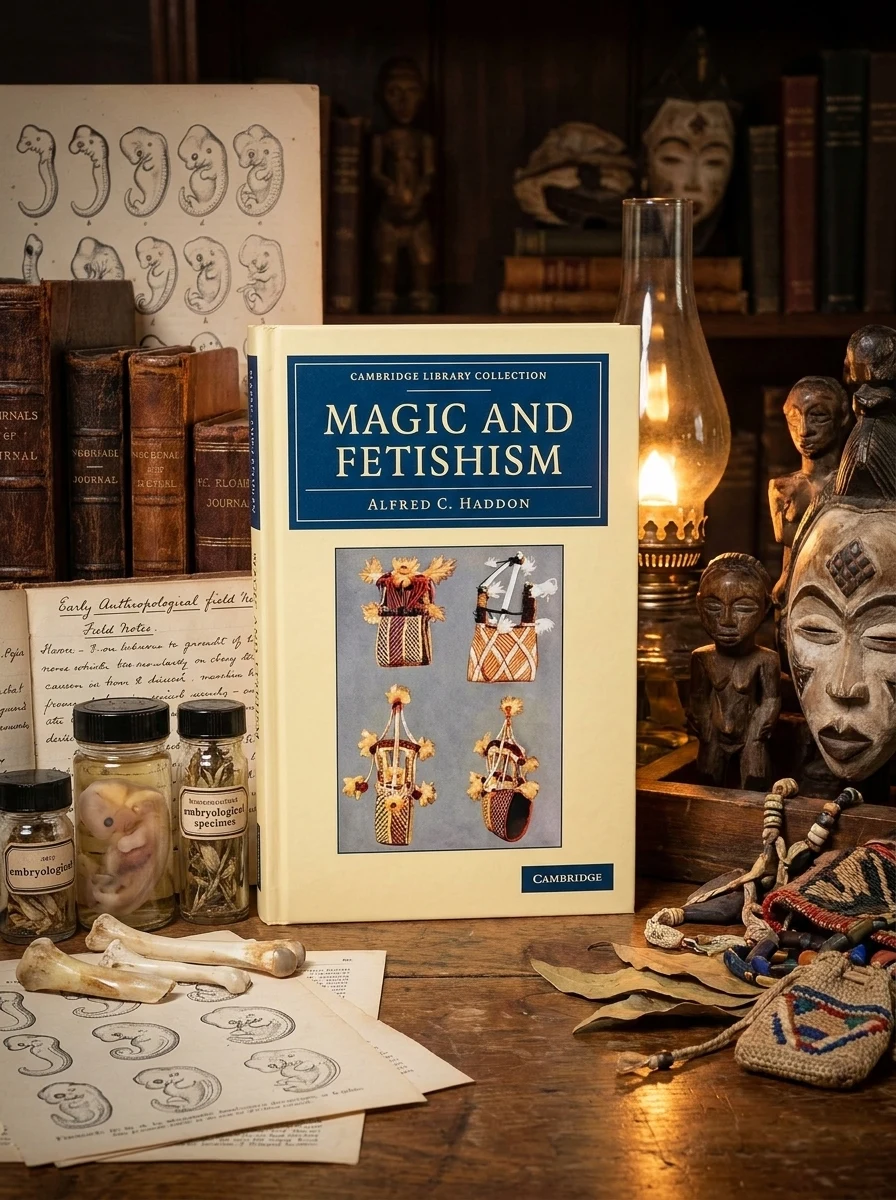
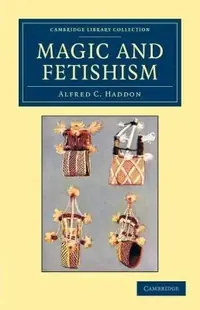
Magic and Fetishism Haddon, Alfred C
Stock reported in the catalog; fulfillment is confirmed with your request.
Unearth the primal roots of belief where science and spirit first intertwined, guided by an anthropological pioneer.
Alfred C. Haddon, a visionary in early anthropology, initially dedicated his intellect to embryology and evolutionary biology. His profound curiosity, however, soon led him to explore the intricate tapestry of human civilization and its historical development. In this seminal 1910 work, Haddon meticulously examines the concepts of magic and fetishism, offering a foundational perspective on how these ancient practices shaped early human thought and societal structures. He delves into the cultural significance and perceived power of such objects and rituals, providing an essential window into the origins of spiritual and symbolic understanding.
This seminal 1910 work sits at the intersection of early anthropology and evolutionary biology, reflecting a period where scholars sought to map the origins of human civilization through scientific inquiry. It bridges the gap between empirical study and the spiritual tapestry of early societal structures.


📝 Description: Magic and Fetishism Haddon, Alfred C
💎 Expert review
📖 Why choose it
Why this book is worth reading
Readers fascinated by the primal roots of belief will find immense value in this text, particularly those interested in how science and spirit first intertwined. Haddon’s background in embryology and evolutionary biology provides a unique lens for examining magic and fetishism not merely as superstition, but as foundational elements of early human thought. It is essential for scholars and enthusiasts who wish to understand the cultural significance and perceived power of ancient objects and rituals. By offering a foundational perspective on societal structures, this book serves as an indispensable window into the origins of spiritual and symbolic understanding, guiding you through the intricate tapestry of historical development with rigorous anthropological insight.
⭐ Reader reviews
Reader rating
Haddon’s meticulous examination offers a vital, albeit dense, look at the concepts of magic and fetishism. While his interdisciplinary approach is intellectually stimulating for those versed in early anthropology, this work may not suit readers seeking accessible, narrative-driven histories or modern psychological interpretations. It is best appreciated by academics and dedicated students of esoteric history who are prepared to engage with complex theoretical frameworks rather than light reading. The text stands as a crucial, if demanding, resource for understanding the perceived power of rituals in shaping early civilization.
❓ Frequently asked questions
📖 Who should read this
If you're drawn to the historical roots of magical practice, the evolution of human thought, or foundational anthropology, this work offers invaluable insights. It's essential for understanding how ancient beliefs resonate in contemporary spiritual and cultural landscapes.
🎯 Key themes and symbolism
Anthropological Foundations
As a pioneering anthropologist, Haddon approaches his subject with a rigorous, investigative spirit. The book showcases his method of comparative study, drawing connections between disparate cultural expressions of magic and fetishism. It exemplifies early academic attempts to categorize and comprehend complex human behaviors and spiritual systems from a scientific viewpoint.
Evolution of Consciousness
Building on his background in evolutionary science, Haddon implicitly or explicitly suggests how magical and fetishistic practices fit into the broader arc of human mental and cultural evolution. He examines how these early forms of belief contributed to the development of human societies and their unique ways of perceiving and interacting with the spiritual and material realms.
💬 Quotes from the book
“The seemingly irrational practices of fetish worship, when viewed through a comparative cultural lens, reveal a profound human impulse to imbue the material world with spiritual agency.”
“From the simplest amulet to the most elaborate ritual, these ancient beliefs form an integral, often overlooked, chapter in the evolutionary narrative of human consciousness.”
📜 Historical context
📚 Glossary
- Anthropology
- Fetishism
- Embryology
📔 Questions to reflect on
- How do contemporary beliefs or superstitions echo the ancient practices of magic and fetishism explored by Haddon?
- Consider an object in your own life that holds personal significance. How does its perceived power or meaning relate to the concept of a "fetish" as discussed in this book?
- If magical thinking is a natural stage in human cognitive development, what does that imply about the persistent appeal of esoteric ideas in modern society?
📖 From the series “Cambridge Library Collection - Spiritualism and Esoteric Kno”
All books in the series →

🏛 Books from this publisher Cambridge University Press
All books from this publisher →
 75
75

You might also like
See more →