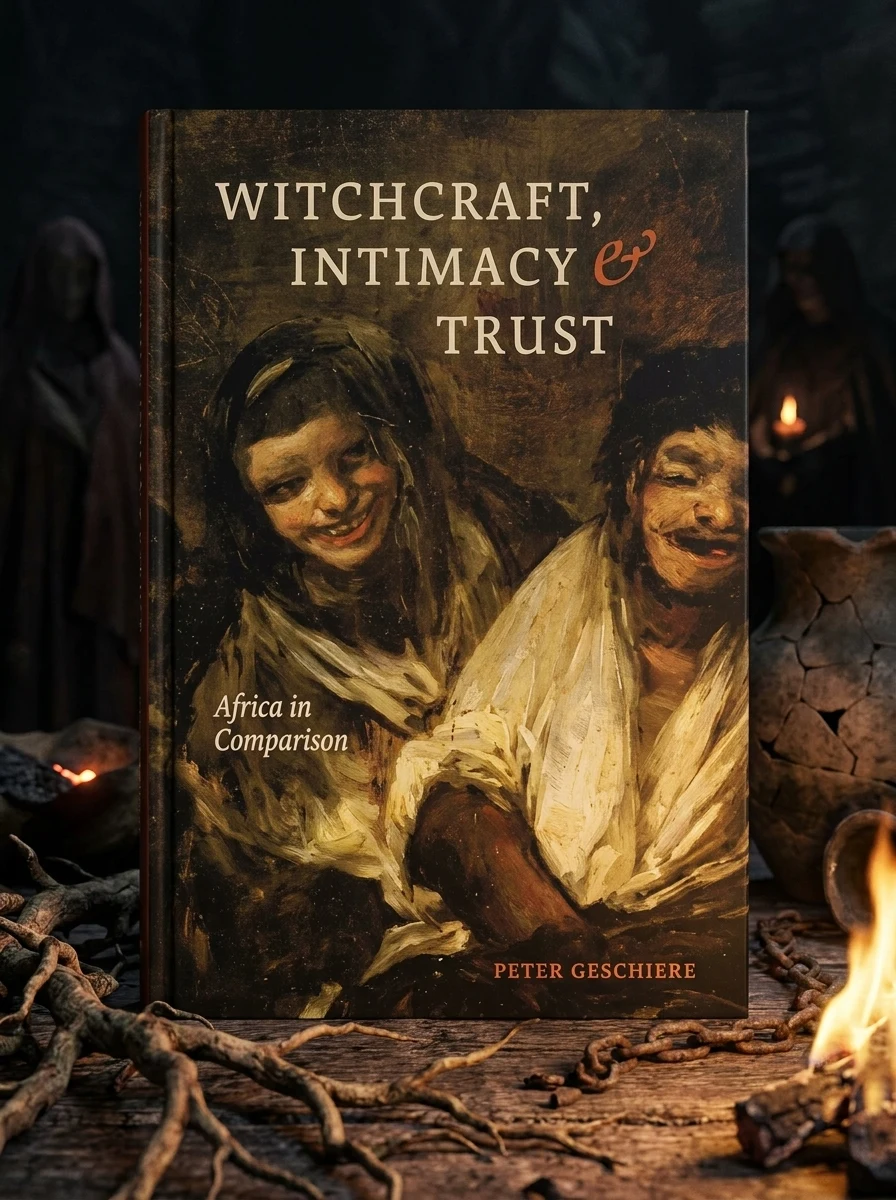

Witchcraft, Intimacy, and Trust: Africa in Comparison
✍️ Geschiere, PeterCurrently unavailable
This book is sold out right now. Leave your email — we'll let you know if it comes back, and you'll get 10% off any book today.
In stock now — readers of this book also loved:







Peter Geschiere’s compelling study delves into the profound connection between witchcraft, trust, and the most intimate human relationships. Moving beyond simplistic interpretations, he argues that beliefs in witchcraft often emerge from anxieties surrounding betrayal within close-knit communities. From the Maka people of Cameroon, who dread the "witchcraft of the house," to diverse global traditions, Geschiere masterfully illustrates how these practices brutally reveal underlying tensions in family and communal bonds. This work offers a fresh, albeit unsettling, lens through which to understand the complex dynamics of human intimacy itself.


Praise for this book
“Witchcraft--as a theme--always risks carrying a sort of pejorative or even racist undercurrent of meaning: it cannot help but evoke the backward, the irrational, the pre-political. This began to change in the 1990s, owing in large part to the work of Peter Geschiere, whose book The Modernity of Witchcraft showed that concepts of the occult are dynamic and changing instead of static and timeless, and that they bear…”
📝 Description: Witchcraft, Intimacy, and Trust: Africa in Comparison
📑 What's inside
- Prologue
- Issues
- Chapters
- Chapter 1
- Introduction: The Dangers of Home--Ethnographical and Conceptual Explorations
- Witchcraft: The pitfalls of a notion
- Academic discourse and the dangers of a panacea notion
- Witchcraft and the dangers within
- Continuity and new beginnings
- Intimacy and the uncanny
- The struggle over trust
- Chapter 2
- Witchcraft, Intimacy, and Changing Perceptions of Distance: African Examples
- Changing parameters of intimacy and distance
- An urban elite attacked by witchcraft
- Urban witchcraft attacks the village
- Witchcraft brings the village to the city
- Witchcraft, distance, and the post-cold war crisis
- Feymen and their magic money: Beyond kinship?
- "Bushfallers," transcontinental migration, and the stretching of kinship/witchcraft
- Intimacy and new distances
- Chapter 3
- To Trust a Witch
- Trust: Rational, ontological, or historical?
- Trust and doubt: The recourse to the
- nganga (healer)
- Ambiguities of the
- ngangaModern
- nganga and the fear of charlatans
- A new solution: God's work as the basis for ultimate trust
- Everyday ways of coping
- Chapter 4
- Comparative Perspectives I: Witches, Neighbors, and the Closure of "the House" in Europe
- Historians and anthropologists on witchcraft: Rapprochements and distancing
- Witchcraft and state formation: Europe and Africa
- Witchcraft, proximity, and kinship in early modern Europe
- An African reading
- The dangers of intimacy: Neighbors or family?
💎 Expert review
📖 Why choose it
Why this book is worth reading
Readers interested in the psychological underpinnings of community bonds will find immense value here. This book is ideal for those willing to confront the uncomfortable truth that witchcraft beliefs often serve as a dark mirror for our deepest fears regarding intimacy and betrayal. It offers a fresh, albeit unsettling, lens through which to understand the complex dynamics of human relationships. Those who enjoy deep dives into how trust functions within close-knit groups, from the Maka people of Cameroon to global traditions, will appreciate this rigorous examination. It is not for the faint of heart but rewards those seeking to unravel the brutal revelations of familial tensions.
⭐ Reader reviews
Reader rating
Geschiere provides a compelling, albeit unsettling, study that unmask witchcraft as a reflection of fears about intimacy and betrayal. The text moves beyond simplistic interpretations to argue that these beliefs emerge from anxieties surrounding betrayal in close communities. While the comparative approach is masterful, it may not suit readers seeking practical magical advice or those who prefer mystical rather than sociological explanations for supernatural phenomena. It is a dense academic work that requires patience but offers profound insights into the dark side of human connection and communal trust.
❓ Frequently asked questions
📖 Who should read this
If you're drawn to the intricate anthropology of belief systems, the psychology of trust, or the darker undercurrents of human connection, this book offers a profound and challenging exploration. It's essential for scholars and curious readers alike interested in comparative religion and social dynamics.
🎯 Key themes and symbolism
Intimacy's Dark Reflection
Geschiere explores how witchcraft is not merely an external evil, but often a manifestation of aggression and distrust born from the closest human relationships. It exposes the vulnerable underbelly of familiarity, where betrayal can fester, turning the most trusted figures into potential adversaries. The book unpacks how this intimate aggression becomes a source of profound terror.
Global Witchcraft Perspectives
This work provides a comprehensive, comparative analysis of witchcraft beliefs across various cultures. Spanning Africa, Europe, Brazil, and Oceania, Geschiere demonstrates recurring patterns in how different societies conceptualize and respond to this phenomenon, highlighting universal concerns about social relationships, transgression, and the home.
Rethinking Human Bonds
By examining witchcraft through the lens of intimacy, Geschiere compels readers to reconsider fundamental aspects of social connection. The book argues that these beliefs offer powerful frameworks for addressing complex issues within families, communities, and notions of home, ultimately challenging conventional understandings of human trust and vulnerability.
📜 Historical context
📚 Glossary
- Witchcraft of the House
- Intimate Aggression
- Maka
📔 Questions to reflect on
- How might our own cultural anxieties about trust and betrayal manifest if they were expressed through beliefs similar to witchcraft?
- Consider a time when a relationship shifted from profound trust to suspicion. How does Geschiere's framework illuminate such a transformation?
- In what ways do contemporary fears or social dynamics in your own society reflect the underlying tensions that witchcraft beliefs address elsewhere?
📖 Read on the blog
✍️ More books by this author Geschiere, Peter
All books by this author →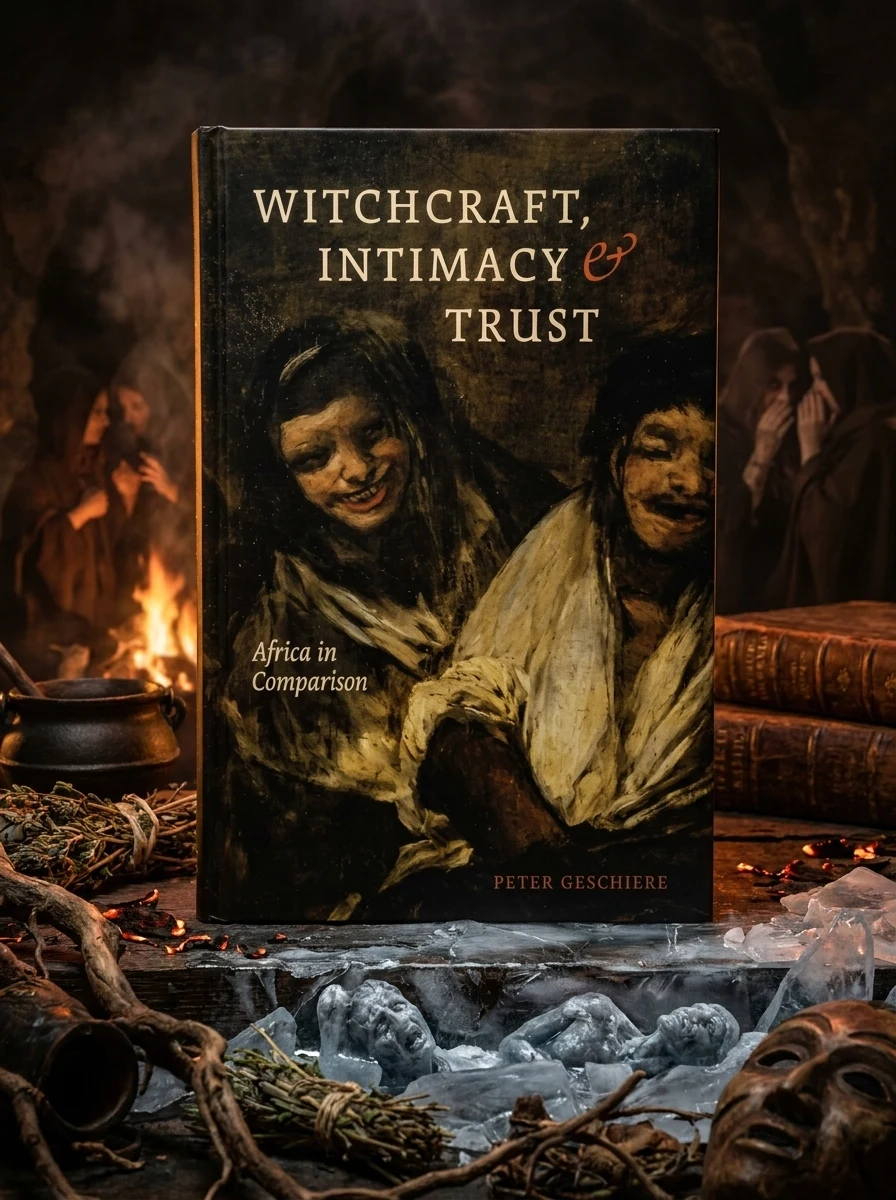
🏛 Books from this publisher University of Chicago Press
All books from this publisher →







You might also like
See more →





Have a question about this item?
Ask about the edition, condition, delivery or anything else — we reply by email or phone, usually within a day.
