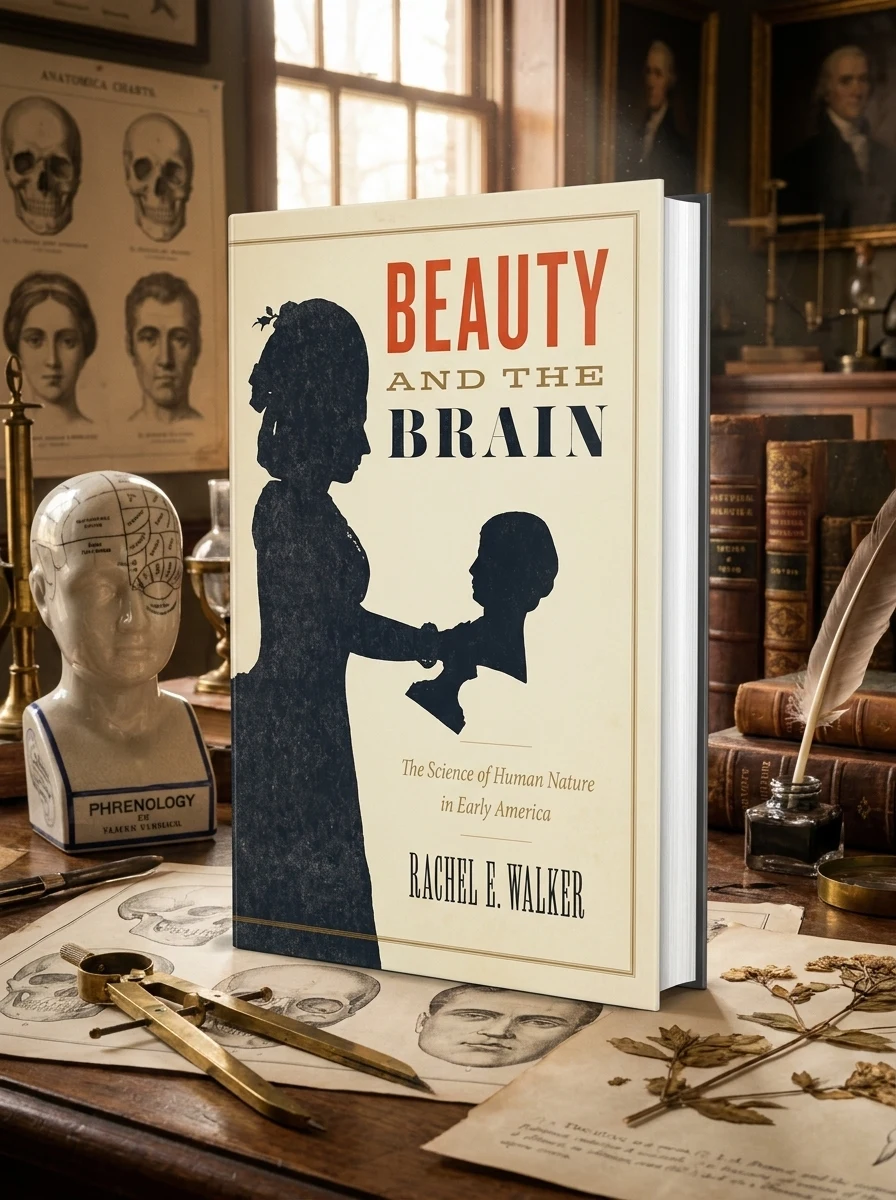
Beauty and the Brain: The Science of Human Nature in Early America
Walker, Rachel EStock reported in the catalog; fulfillment is confirmed with your request.
Uncover how skull bumps and facial lines once dictated destiny in early America.
This compelling volume delves into the pervasive influence of physiognomy and phrenology across early America, from the late 18th century through the mid-19th. These once-revered disciplines proposed that character and intelligence could be read from facial features or cranial contours. Far from mere pseudoscience, "Beauty and the Brain" reveals how these frameworks were deeply embedded in American society, shaping understandings of human nature. It explores their complex role in pivotal debates surrounding race, gender, and social equity, demonstrating how they were both tools of oppression and instruments creatively wielded by activists.
This work situates itself within the historical study of early American intellectual history, specifically examining how pseudoscientific frameworks like physiognomy and phrenology influenced societal norms. It bridges the gap between scientific history and social critique by analyzing how these disciplines were embedded in the cultural fabric of late 18th to mid-19th century America.


📝 Description: Beauty and the Brain: The Science of Human Nature in Early America
💎 Expert review
📖 Why choose it
Why this book is worth reading
Readers interested in the intersection of science, race, and gender will find this book invaluable. It offers a nuanced look at how early Americans used skull bumps to determine destiny, revealing these frameworks not just as errors but as complex tools for both oppression and activism. Those who appreciate deep dives into how historical beliefs shape modern understandings of human nature will gain significant insight here. The author demonstrates how marginalized groups creatively wielded these very theories to fight for equity, providing a fresh perspective on social history. It is essential for anyone seeking to understand the roots of biometric bias and the evolving concept of human character in the United States.
⭐ Reader reviews
Reader rating
Rachel E. Walker provides a rigorous examination of physiognomy and phrenology’s pervasive role in early America. The book successfully argues that these were not mere pseudosciences but vital societal frameworks influencing debates on race and gender. However, it does NOT suit readers seeking light entertainment or those who prefer straightforward scientific debunking without historical context. This is a scholarly work requiring patience for its dense analysis of social equity and oppression. It may feel too academic for casual history buffs, but it offers profound rewards for those willing to engage with the complex ways early Americans constructed human nature through physical features.
❓ Frequently asked questions
📖 Who should read this
If you're fascinated by history's hidden currents, the evolution of scientific thought, or how societal beliefs shape identity, this book offers a profound journey. Essential for anyone curious about how the human body was once interpreted as a map to the soul, and its surprising political applications.
🎯 Key themes and symbolism
Early American Science & Society
Explores how seemingly absurd concepts like phrenology and physiognomy were not just fringe ideas but fundamental scientific tools used to interpret humanity. It showcases how these disciplines permeated all levels of early American life, from elite intellectual circles to everyday interactions, profoundly influencing societal norms and perceptions of individual worth.
Identity, Hierarchy, and Activism
Unpacks the surprising dual role of these sciences in shaping discussions around identity. While often deployed to reinforce racial and gender hierarchies, the book also highlights instances where marginalized communities and progressive reformers cleverly reinterpreted these very frameworks to advance their own political agendas and challenge existing power structures.
Reading the Human Form
Investigates the historical belief that the human body—its facial structure, head shape, and physical characteristics—served as a legible text, revealing innate character and destiny. This theme examines the methodologies and cultural implications of 'reading' individuals based on their physical appearance, and how such interpretations influenced social interactions and judgments.
💬 Quotes from the book
“The seemingly absurd notion of reading character from cranial bumps was, for a century, a cornerstone of how Americans understood themselves and each other, influencing everything from marriage prospects to political appointments.”
“Far from being static tools of oppression, phrenology and physiognomy were fluid doctrines, creatively adapted by marginalized communities seeking to articulate their own claims to humanity and rights.”
📜 Historical context
📚 Glossary
- Phrenology
- Physiognomy
- Pseudoscience
📔 Questions to reflect on
- Consider a contemporary "science" or trend that attempts to categorize human nature based on physical traits or superficial data. How does it compare to the historical impact of phrenology and physiognomy?
- Reflect on a time when you or someone you know was judged based on appearance. How might historical systems like physiognomy have contributed to such ingrained societal biases?
- The book shows how marginalized groups re-appropriated these sciences. Can you think of other historical or contemporary examples where disempowered communities have reinterpreted dominant narratives or tools for their own liberation?
✍️ More books by this author Walker, Rachel E
All books by this author →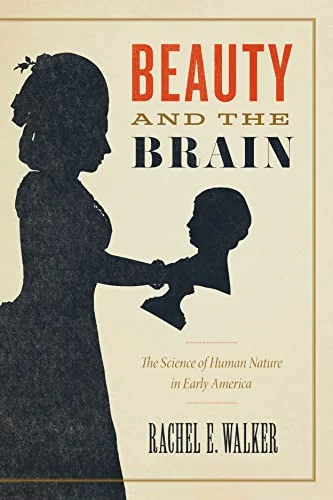
🏛 Books from this publisher University of Chicago Press
All books from this publisher →


 86
86


You might also like
See more →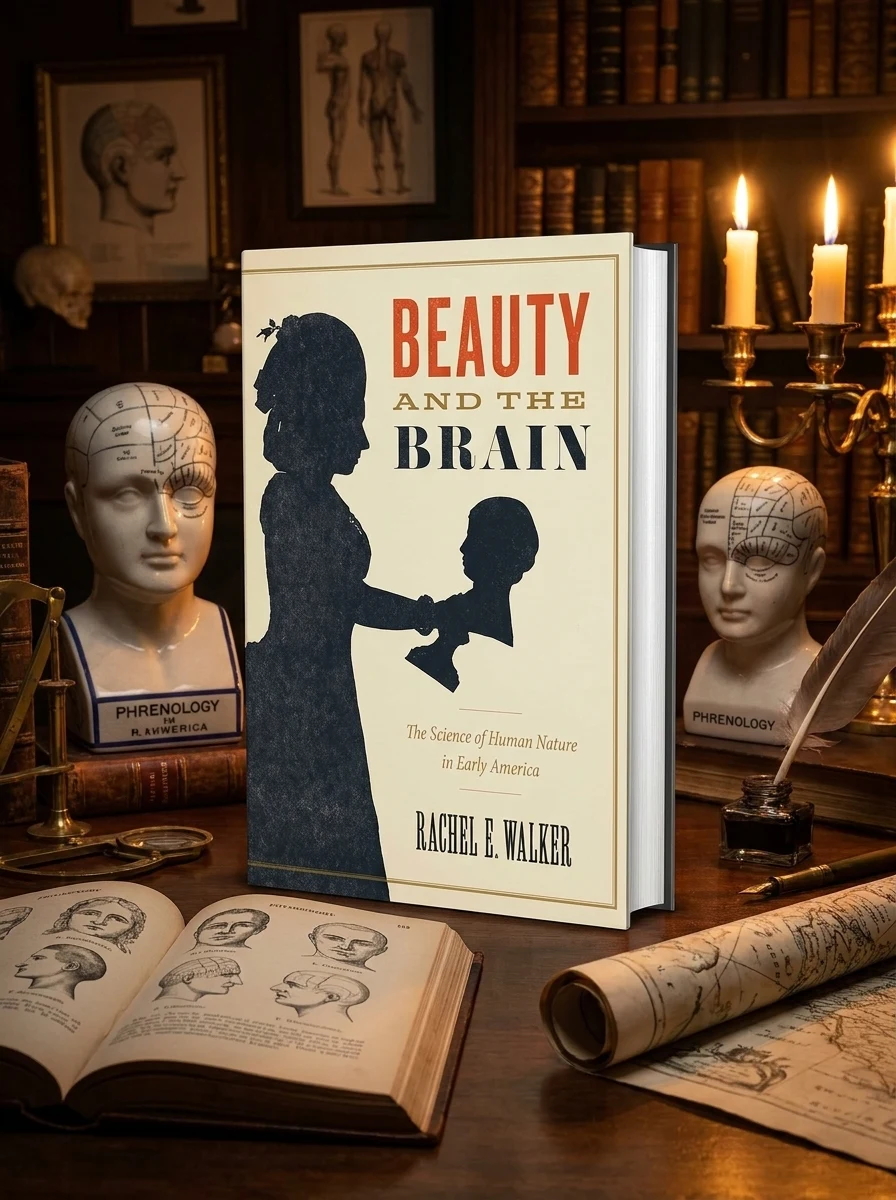
 90
90