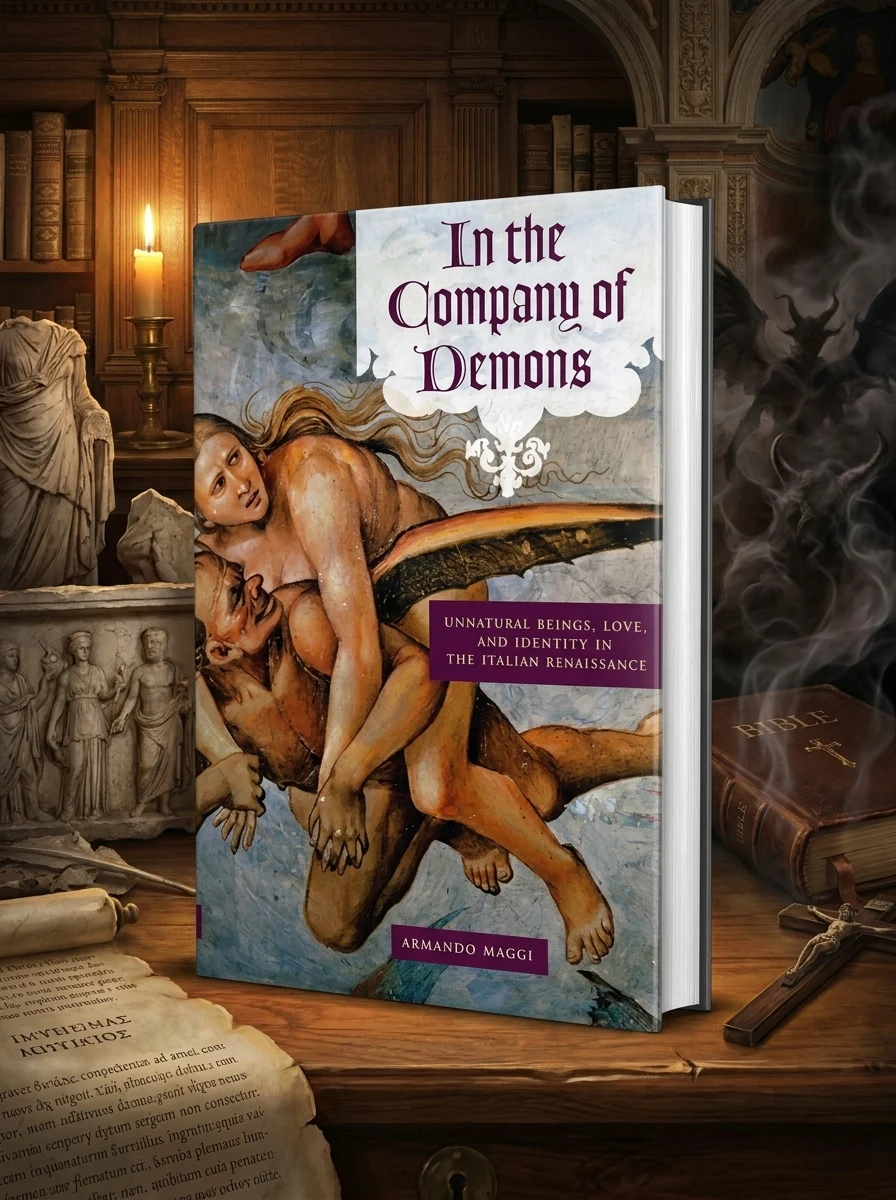
In the Company of Demons: Unnatural Beings, Love, and Identity in the Italian Renaissance
Maggi, ArmandoStock reported in the catalog; fulfillment is confirmed with your request.
Uncover the compassionate heart hidden within Renaissance demonology.
Armando Maggi, a preeminent scholar of demonology, radically reinterprets the nature of familiar spirits during the Italian Renaissance. Moving beyond the Christian dogma that cast all classical entities as satanic, Maggi unveils a sophisticated intellectual tradition that viewed these "unnatural beings" with nuance. Through meticulous analysis of pivotal Renaissance texts, he reveals how these entities were perceived not merely as malevolent forces, but as complex, often compassionate figures whose enigmatic appearances served as profound metaphorical messages and even protective warnings for humanity.
This work sits within the intersection of Renaissance intellectual history and Western occultism, challenging traditional Christian demonological frameworks.


📝 Description: In the Company of Demons: Unnatural Beings, Love, and Identity in the Italian Renaissance
💎 Expert review
📖 Why choose it
Why this book is worth reading
Readers fascinated by the hidden currents of Renaissance thought and the complex history of esoteric beliefs will find this text deeply rewarding. Armando Maggi offers a refreshing perspective that moves beyond simplistic portrayals of evil, inviting you to explore how early modern thinkers viewed supernatural entities with nuance and even compassion. If you are interested in how identity and love were metaphorically engaged with through the lens of 'unnatural beings,' this book provides a sophisticated intellectual tradition that redefines our understanding of familiar spirits. It is an essential read for those willing to look past dogma to discover the protective warnings and enigmatic messages embedded within historical demonology, revealing a compassionate heart where others saw only malice.
⭐ Reader reviews
Reader rating
Maggi’s reinterpretation is intellectually rigorous and visually compelling in its argumentation, offering a necessary corrective to centuries of Christian dogma. However, this volume will not suit readers seeking straightforward narratives of black magic or sensationalist accounts of demonic possession. It requires patience for dense scholarly analysis and may frustrate those expecting clear-cut moral binaries between good and evil. The text is best appreciated by academics and serious enthusiasts of Renaissance philosophy who are prepared to engage with complex metaphorical readings of familiar spirits. While it successfully unveils a nuanced tradition, casual readers looking for accessible occult lore might find the academic tone and specific focus on Italian intellectual history too specialized for their tastes.
❓ Frequently asked questions
📖 Who should read this
If you're drawn to the esoteric intersections of history, religion, and philosophy, and seek to challenge conventional narratives, this book offers a profound re-evaluation. It's for those who appreciate meticulous scholarship and wish to explore the hidden depths of Renaissance thought.
🎯 Key themes and symbolism
Renaissance Demon Rethink
Explores how Italian Renaissance thinkers diverged from rigid Christian interpretations, offering a complex understanding of classical familiar spirits. This challenges the prevailing view of demons as solely malevolent, positioning them as figures of nuanced significance within the era's intellectual landscape.
The Body as Metaphor
Delves into the Renaissance belief that the physical manifestation of these spirits held symbolic meaning. Their sudden, striking forms were not arbitrary but reflected the spirits' deep knowledge of human history, acting as interpretative keys to understanding their messages and intentions.
Compassionate Harbingers
Uncovers the surprising trait of compassion attributed to these "demons." Maggi reveals how their eerie appearances were often interpreted as benevolent warnings or protective omens, suggesting a profound, albeit mysterious, desire to safeguard human interlocutors from unseen dangers.
💬 Quotes from the book
“The true nature of these ethereal companions lies not in their assumed malevolence, but in the intricate dance between their spectral form and the human psyche they seek to illuminate.”
“Consider the sudden apparition not as a curse, but as a riddle whispered from the unseen, a protective warning woven into the fabric of the familiar.”
📜 Historical context
📚 Glossary
- Familiar Spirits
- Lares and Penates
- Italian Renaissance
📔 Questions to reflect on
- How does the reinterpretation of "demons" as potentially compassionate figures challenge your own preconceived notions about good and evil in spiritual contexts?
- If spiritual entities communicate through metaphorical appearances, what might contemporary "unnatural beings" or unexplained phenomena be trying to convey to us today?
- Reflect on how historical periods, like the Renaissance, can reshape the understanding of perennial spiritual concepts, and what this implies for our modern perspectives.
✍️ More books by this author Maggi, Armando
All books by this author →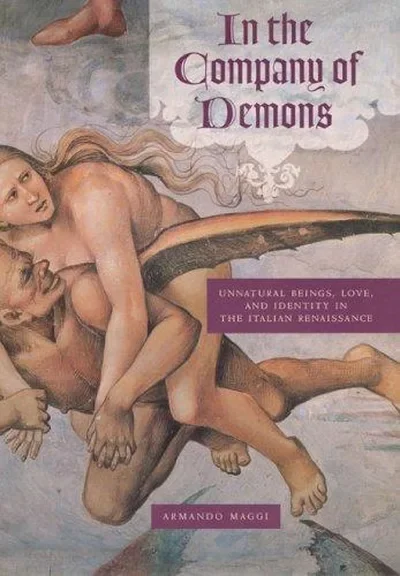
🏛 Books from this publisher University of Chicago Press
All books from this publisher →

 86
86


You might also like
See more →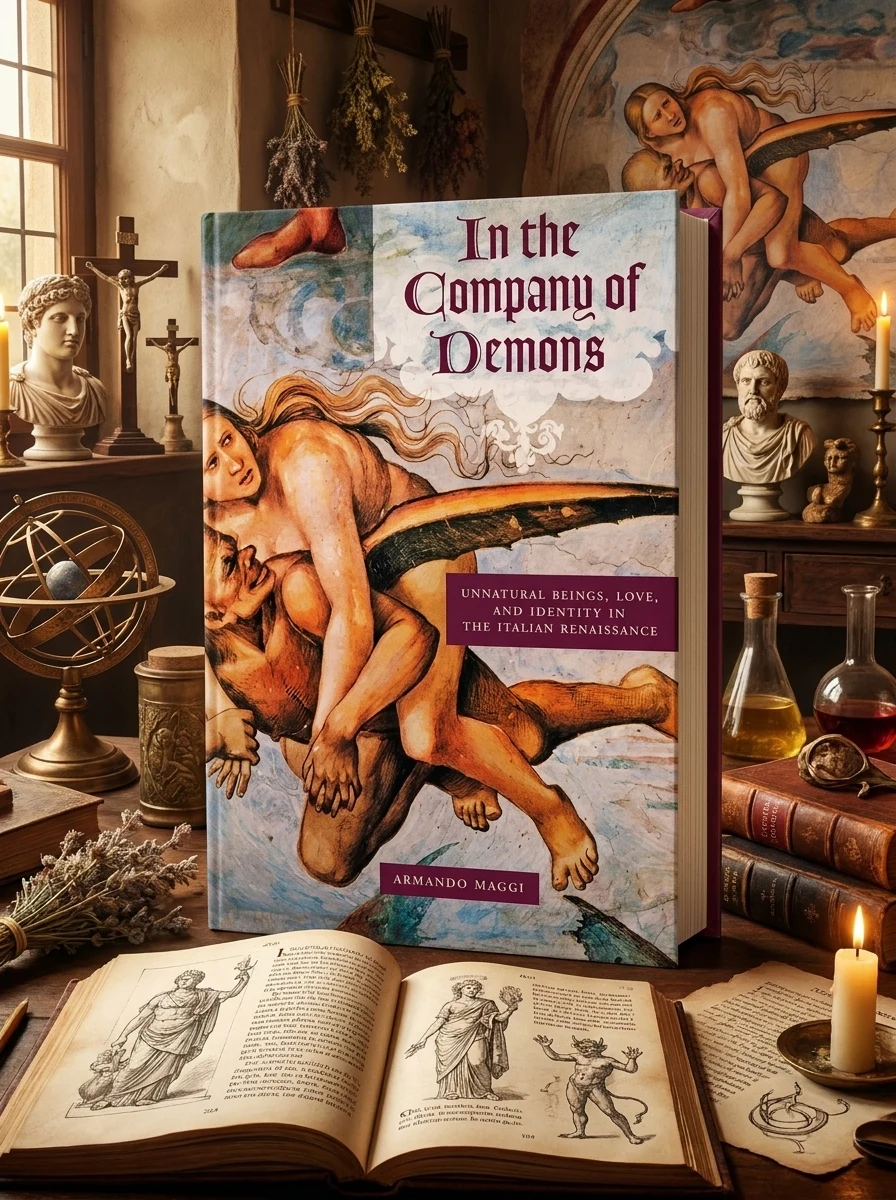
 90
90