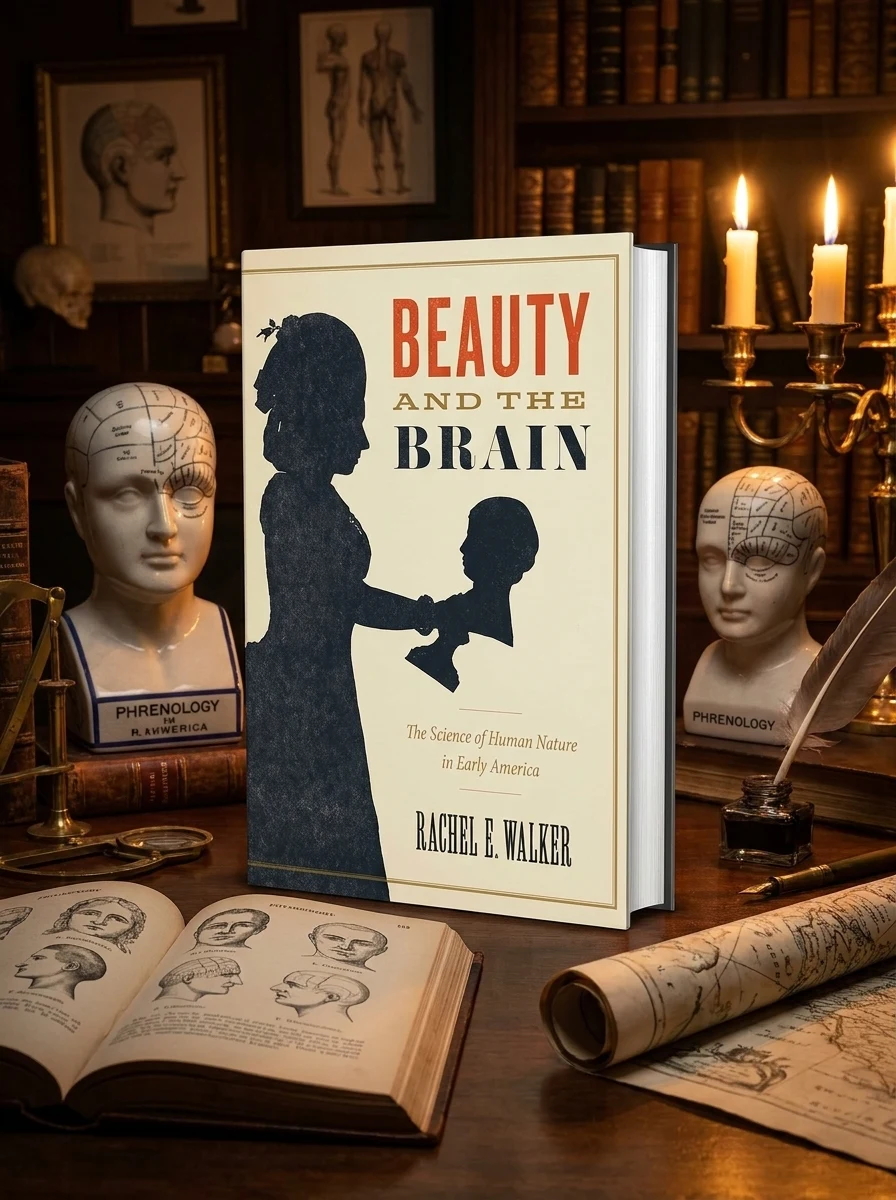


Beauty and the Brain: The Science of Human Nature in Early America
Walker, Rachel EThis edition can be ordered. No arrival date is confirmed.
Uncover how skull shapes and facial features once defined destiny in early America.
This compelling study unearths the pervasive influence of physiognomy and phrenology in early American society, from the late 18th to mid-19th centuries. These now-discredited practices, which claimed to divine character from facial features or skull contours, were once central to understanding human nature. Far from simple curiosities, the book boldly demonstrates how these seemingly simplistic scientific frameworks became potent tools. They were deployed by diverse groups, from intellectual elites to marginalized activists, to engage in profound debates concerning race, gender, and the very fabric of social justice.
This work situates itself within the historical study of early American intellectual history and the evolution of pseudoscientific frameworks that attempted to codify human nature. It bridges the gap between the Enlightenment's scientific aspirations and the subsequent social hierarchies established in the United States during a formative period.


📝 Description: Beauty and the Brain: The Science of Human Nature in Early America
💎 Expert review
📖 Why choose it
Why this book is worth reading
Readers interested in the intersection of science, power, and social identity will find profound value in this text. It reveals how physiognomy and phrenology were not merely obscure curiosities but active instruments used by elites and marginalized groups alike to argue for or against social justice. Those seeking to understand the historical roots of racial and gender biases in scientific discourse will gain a nuanced perspective on how physical traits were weaponized to define destiny. This book is essential for scholars and enthusiasts who wish to trace the lineage of modern prejudices back to their intellectual origins, offering clarity on how early American society constructed its understanding of human nature through flawed but influential lenses.
⭐ Reader reviews
Reader rating
This academic study offers a rigorous examination of how skull shapes once dictated social standing in early America. While intellectually robust for those studying the history of science or sociology, it will likely bore readers seeking narrative flair or practical advice on modern identity politics. It is not suited for casual readers expecting lighthearted anecdotes about phrenology; rather, it demands attention to complex socio-political arguments. The work is dense with historical analysis, making it inaccessible to those unfamiliar with academic discourse on race and gender. However, for serious students of how pseudoscience shaped public policy and social interaction, it provides an indispensable, albeit dry, account of a pivotal era in American intellectual development.
❓ Frequently asked questions
📖 Who should read this
If you're fascinated by the hidden histories of science, the intersection of belief and social power, or the surprising roots of American identity debates, this book offers profound insights. It's a must-read for anyone eager to understand how discarded ideas can illuminate our present.
🎯 Key themes and symbolism
Phrenology's Pervasive Past
This work meticulously unpacks how phrenology and physiognomy, despite their modern dismissal, were deeply embedded in early American thought. It reveals their widespread acceptance by both academic circles and the general public, shaping perceptions of human worth and identity during a critical period in the nation's development, bridging science with cultural belief.
Science and Social Justice
The book illustrates how these seemingly objective scientific systems were actively utilized to construct and challenge social hierarchies. It highlights their role in defining concepts of race and gender, showcasing how both dominant powers and disenfranchised groups strategically leveraged these ideas to advance their respective political and social agendas, revealing science as a mutable tool.
Contesting Human Nature
"Beauty and the Brain" explores how the very definition of human nature was contested and shaped through the lens of physiognomy and phrenology. It examines the intense societal debates these sciences sparked, revealing how physical attributes were once considered direct indicators of intellect, character, and an individual's place within the evolving American society.
💬 Quotes from the book
“The seemingly absurd notion that a man's moral fiber could be read in the curve of his nose or the prominence of his brow was, for generations, a foundation of social understanding.”
“From the hallowed halls of intellectual discourse to the bustling common market, the skull and face became battlegrounds for defining race, gender, and social standing.”
📜 Historical context
📚 Glossary
- Physiognomy
- Phrenology
- Human Worth
📔 Questions to reflect on
- How might the historical acceptance of phrenology and physiognomy influence our understanding of implicit biases that persist today?
- Consider a contemporary "popular science" idea. How might it, in retrospect, be viewed as a tool for social or political agendas?
- In what ways do we, consciously or unconsciously, still judge character or potential based on outward appearance or perceived physical traits?
✍️ More books by this author Walker, Rachel E
All books by this author →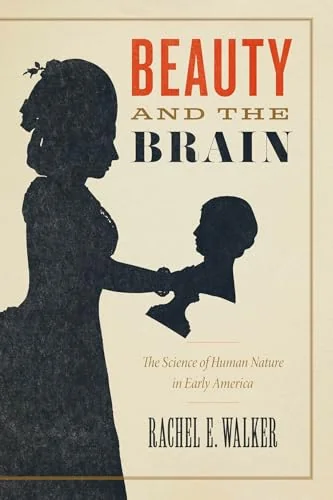
🏛 Books from this publisher University of Chicago Press
All books from this publisher →


 86
86



You might also like
See more →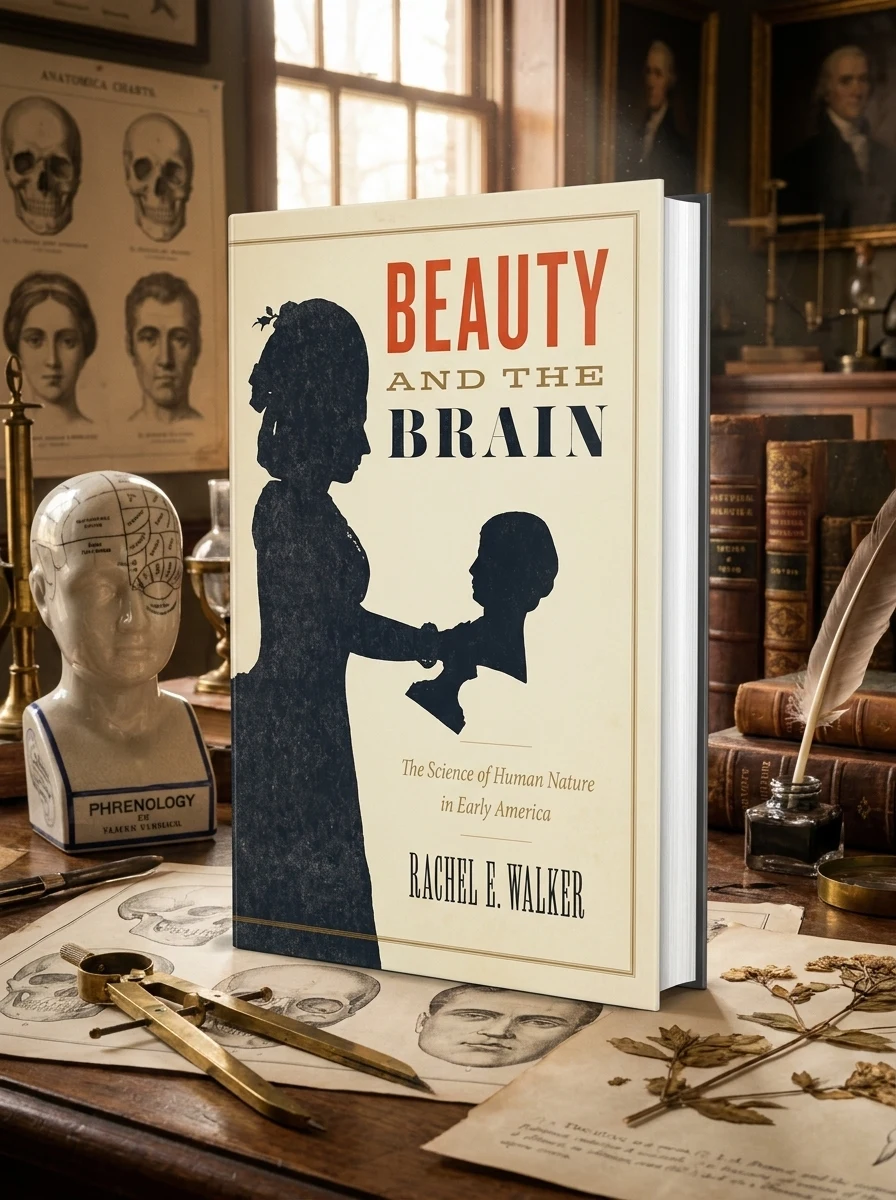
 90
90