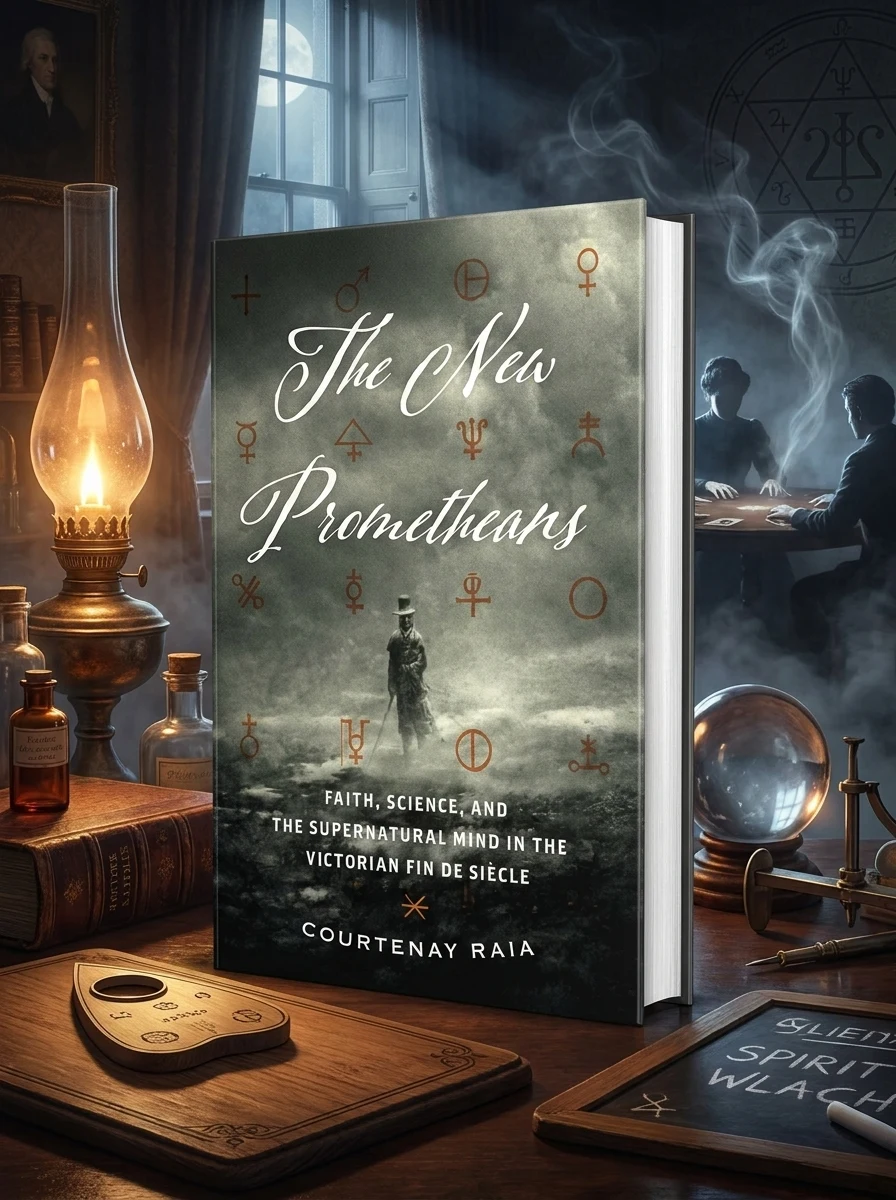
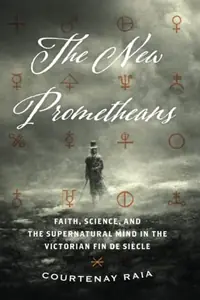
The New Prometheans: Faith, Science, and the Supernatural Mind in the Victorian Fin de Siècle
Raia, CourtenayThis edition can be ordered. No arrival date is confirmed.
Victorian titans of science sought the transcendent mind beyond material bounds.
Dive into the fascinating world of late Victorian intellectual fervor, where established science grappled with the supernatural. This compelling study unveils the origins and evolution of psychical research, an interdisciplinary quest to scientifically validate the existence of a non-physical consciousness. Through the intertwined lives of luminaries like Sir William Crookes and Frederic Myers, the book illuminates how this heterodox field moved from academic circles into public discourse, shaping society's understanding of mind, spirit, and the inexplicable. It's a journey into an era's profound search for self-understanding amidst burgeoning scientific and spiritual currents.
This work sits at the intersection of Victorian intellectual history and the rise of psychical research, exploring how late nineteenth-century scientists navigated the boundary between established materialism and emerging spiritualist interests.


📝 Description: The New Prometheans: Faith, Science, and the Supernatural Mind in the Victorian Fin de Siècle
💎 Expert review
📖 Why choose it
Why this book is worth reading
This book is essential for readers fascinated by the complex relationship between science and spirituality during the Victorian era. It offers a unique window into how prominent figures like Sir William Crookes and Frederic Myers sought to validate the supernatural through rigorous inquiry, rather than rejecting it outright. If you enjoy narratives that challenge the simple dichotomy between faith and reason, this study provides a rich, nuanced perspective on their shared quest for a transcendent mind. It is particularly rewarding for those interested in the historical roots of modern parapsychology and the intellectual climate of the fin de siècle, revealing how these luminaries shaped public discourse on consciousness and the spirit.
⭐ Reader reviews
Reader rating
Raia’s study is a compelling deep dive into the Victorian obsession with validating the non-physical. It successfully illuminates the interdisciplinary nature of psychical research and its impact on societal understanding of the mind. However, readers seeking fast-paced adventure or definitive proof of supernatural phenomena will find this dry; it is an academic exploration of intellectual fervor, not a guide to the occult itself. Those who prefer clear-cut scientific materialism over heterodox inquiries may feel alienated by the sympathetic portrayal of figures bridging science and spirit. It is best suited for historians of science and esotericists interested in the specific historical context of late Victorian spiritualism.
❓ Frequently asked questions
📖 Who should read this
If you're drawn to the historical interplay between science, spirituality, and the human mind, this book is for you. It offers a deep dive into an era when the boundaries of knowledge were fluid, inviting readers interested in the origins of parapsychology, spiritualism, or Victorian intellectual history.
🎯 Key themes and symbolism
Science Meets Supernatural
The book meticulously details how psychical research emerged as a vital, albeit unconventional, scientific endeavor in the late 19th century. It explores the societal pressures and intellectual curiosity that drove respected scientists to apply rigorous methods to phenomena like telepathy, hypnosis, and spiritualist séances, seeking empirical proof of a mind independent of the physical brain.
Victorian Search for Self
Raia vividly portrays the broader cultural landscape of the Victorian fin de siècle, characterized by an intense desire for self-understanding and meaning. The text illustrates how mesmerism, spiritualism, and other 'romantic' pursuits were not fringe activities but integral to a widespread quest for personal and cosmic truth, providing fertile ground for psychical investigations.
Pioneers of the Psychic
At its heart, the narrative traces the intellectual journeys of four pivotal figures: Crookes, Myers, Lodge, and Lang. By weaving their biographies with their scientific contributions and public engagements, the book reveals how these individuals championed psychical research, transforming it from an obscure academic pursuit into a significant public dialogue on consciousness and the unknown.
💬 Quotes from the book
“The mind, they posited, was not merely an epiphenomenon of matter, but a force capable of transcending the physical, whispering across distances, and piercing the veil of ordinary perception.”
“In a world increasingly defined by scientific materialism, the hunger for evidence of a soul, of a higher purpose, drove even the most rational intellects to explore the 'sunken landscapes of entrancement.'”
📜 Historical context
📚 Glossary
- Psychical Research
- Fin de Siècle
- Heterodoxy
📔 Questions to reflect on
- How might the scientific study of consciousness today be influenced by the historical context of Victorian psychical research?
- Consider the 'cultural need' for self-understanding that drove Victorians. What similar needs exist in our contemporary society, and how are they being addressed?
- If you were a scientist in the fin de siècle, what aspects of the 'supernatural mind' would you prioritize for empirical investigation, and why?
✍️ More books by this author Raia, Courtenay
All books by this author →
🏛 Books from this publisher University of Chicago Press
All books from this publisher →
 86
86
You might also like
See more →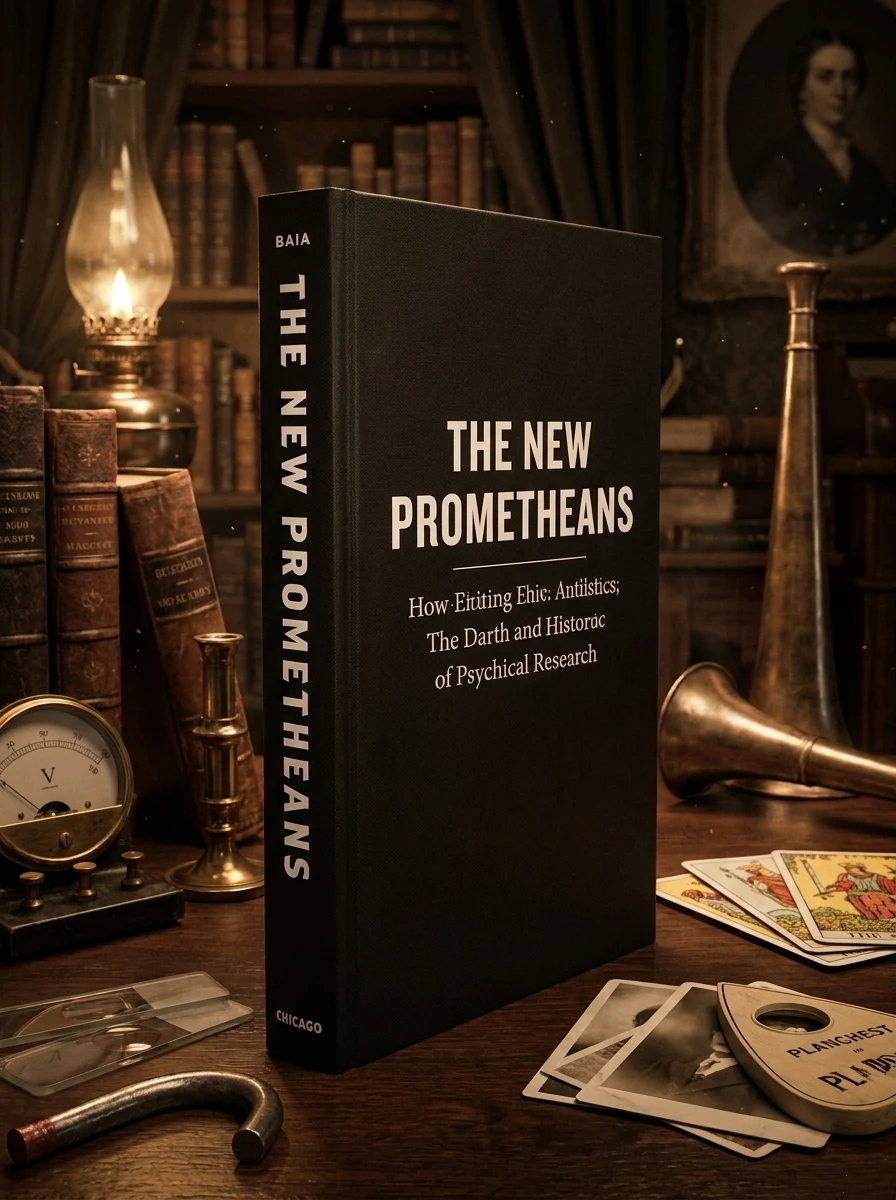
 90
90