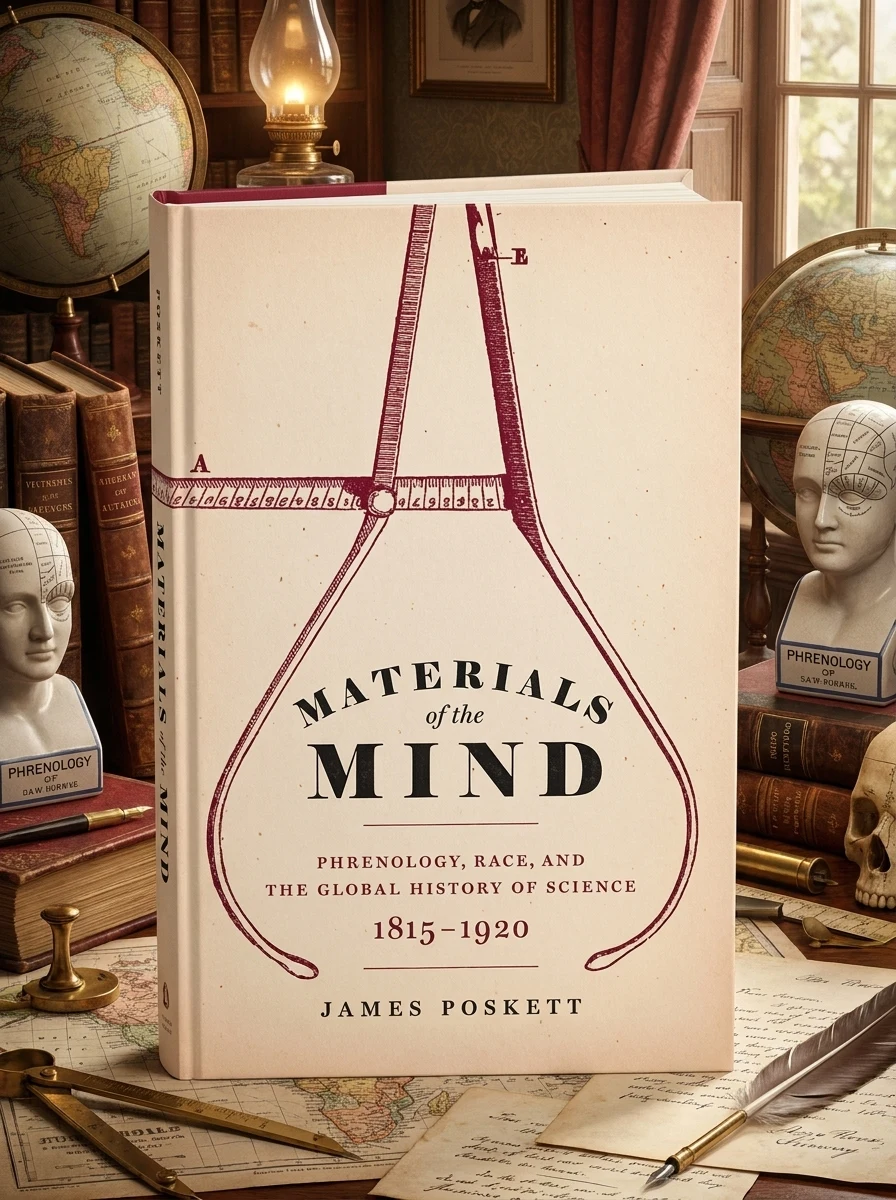
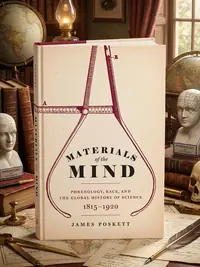
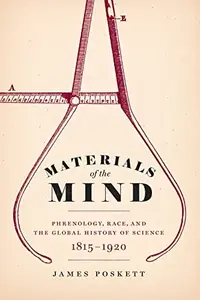
Materials of the Mind: Phrenology, Race, and the Global History of Science, 1815-1920
Poskett, JamesStock reported in the catalog; fulfillment is confirmed with your request.
Unearth the skull's secrets: how bumps shaped minds and empires.
Delve into the fascinating, often unsettling, history of phrenology, a pervasive 19th-century mental science that captivated thinkers and publics across continents. This groundbreaking work charts its journey from European salons to American legislative halls and Indian reform movements, revealing how the mapping of cranial bumps was used to define intelligence, character, and even racial hierarchies. It meticulously uncovers phrenology's profound influence on scientific thought and societal structures, challenging our understanding of science's global evolution and its often-problematic past.
This work situates itself within the global history of science and the critical study of racial ideologies during the long nineteenth century. It explores how pseudoscientific frameworks like phrenology were instrumental in shaping colonial narratives and societal structures across Europe, America, and India.


📝 Description: Materials of the Mind: Phrenology, Race, and the Global History of Science, 1815-1920
💎 Expert review
📖 Why choose it
Why this book is worth reading
Readers interested in the intersection of science, power, and race will find profound value in this meticulous examination of phrenology's global reach. This book is essential for those seeking to understand how seemingly objective scientific tools were weaponized to establish racial hierarchies and define intelligence across continents. By tracing the journey from European salons to Indian reform movements, it offers a crucial perspective on how knowledge systems influence societal structures. It is particularly rewarding for historians of science who wish to challenge conventional narratives about the evolution of scientific thought. If you are curious about the unsettling history of mental mapping and its impact on empires, this text provides the necessary depth and context to appreciate the complexity of this pervasive intellectual movement.
⭐ Reader reviews
Reader rating
James Poskett delivers a rigorous academic analysis that will appeal strongly to specialists in the history of science and postcolonial studies. However, casual readers seeking accessible popular science or straightforward biographical narratives may find the dense theoretical framework and extensive global scope demanding. The book does not suit those looking for simple debunking of phrenology; instead, it requires engagement with complex historical arguments about race and scientific authority. While intellectually stimulating, its scholarly tone and focus on systemic impact rather than individual anecdotes might alienate readers preferring lighter, more narrative-driven histories. It is a vital resource for academics but may feel too heavy for general audiences seeking quick insights into skull reading.
❓ Frequently asked questions
📖 Who should read this
If you're drawn to the intricate dance between belief systems and scientific endeavor, or seek to understand the often-dark origins of modern thought on mind and race, this volume offers a crucial and expansive perspective. It challenges preconceptions and invites deep reflection.
🎯 Key themes and symbolism
Global Scientific Diffusion
This book unveils how phrenology, originating in Europe, spread rapidly across the globe, influencing diverse societies from American political discourse to Indian social reform. It demonstrates that scientific ideas, even flawed ones, do not exist in a vacuum but travel, transform, and take on new meanings in different cultural contexts.
Mind, Body, and Society
Explore how phrenology attempted to link the physical contours of the skull to mental faculties and moral character. This early 'mental science' provided a framework for understanding human behavior, which in turn had significant implications for societal structures, education, and even the justification of social hierarchies during its peak popularity.
Race and Pseudoscience
The work critically examines phrenology's role in constructing and reinforcing racial theories during the 19th century. It reveals how the practice of analyzing skull shapes was often employed to 'scientifically' validate preconceived notions of racial superiority and inferiority, contributing to the problematic legacy of scientific racism.
💬 Quotes from the book
“The mapping of the human skull, once a parlor game, became a blueprint for social engineering, its bumps defining destinies from Calcutta to Edinburgh.”
“In the quest to quantify character, phrenology inadvertently laid bare the biases inherent in seeking 'scientific' proof for preconceived notions of race and intellect.”
📜 Historical context
📚 Glossary
- Phrenology
- Cranioscopy
- Mental Science
📔 Questions to reflect on
- How do contemporary 'mental sciences' or popular psychological theories reflect similar biases or global diffusion patterns seen in phrenology's history?
- Consider a time when a popular scientific idea significantly influenced social policy. How does that historical impact compare to phrenology's widespread effects?
- What responsibilities do scientists and scholars bear when their theories, however well-intentioned, contribute to societal harm or discrimination?
✍️ More books by this author Poskett, James
All books by this author →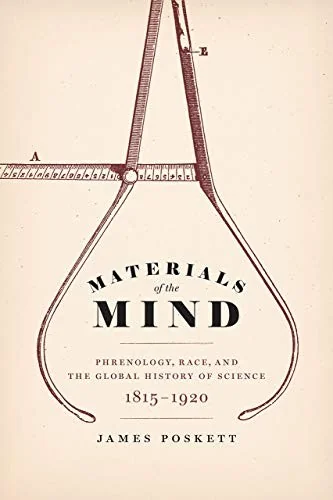
🏛 Books from this publisher University of Chicago Press
All books from this publisher →


 86
86

You might also like
See more →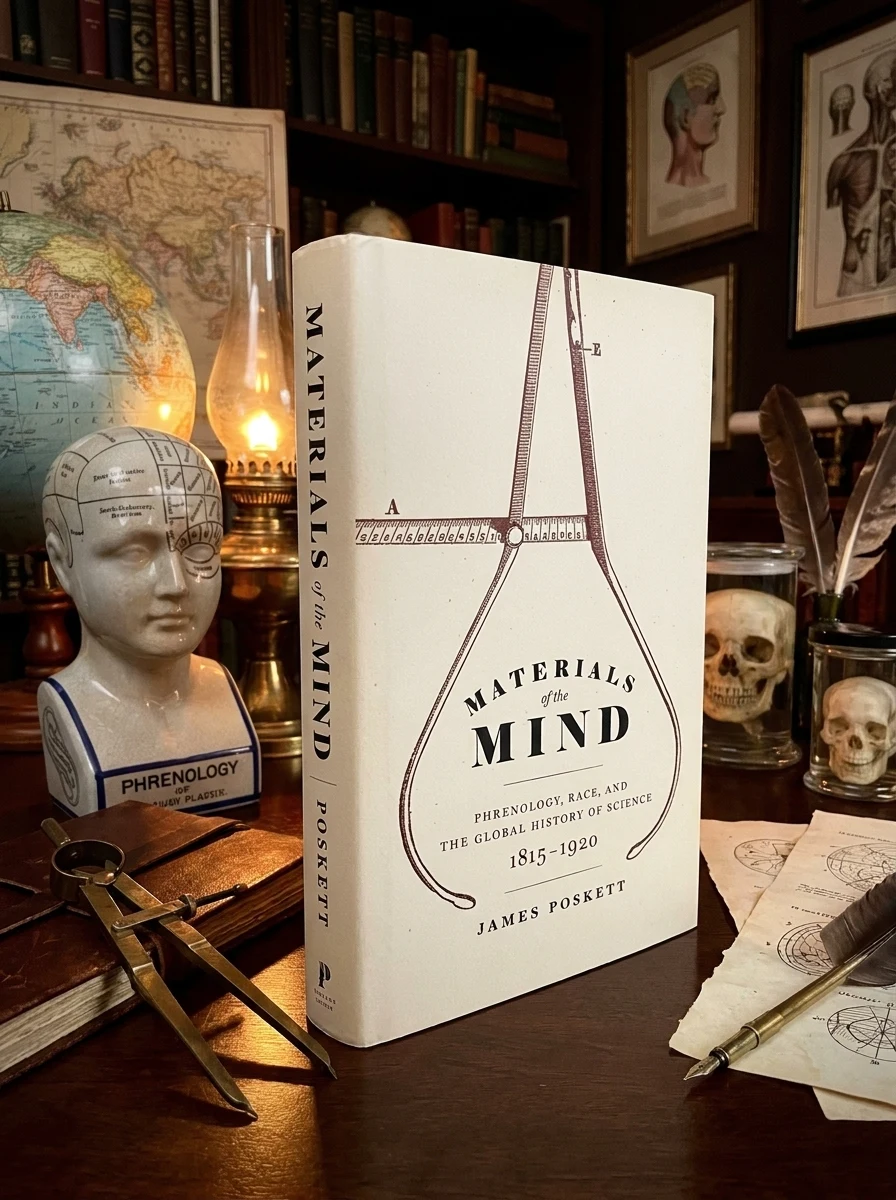
 90
90