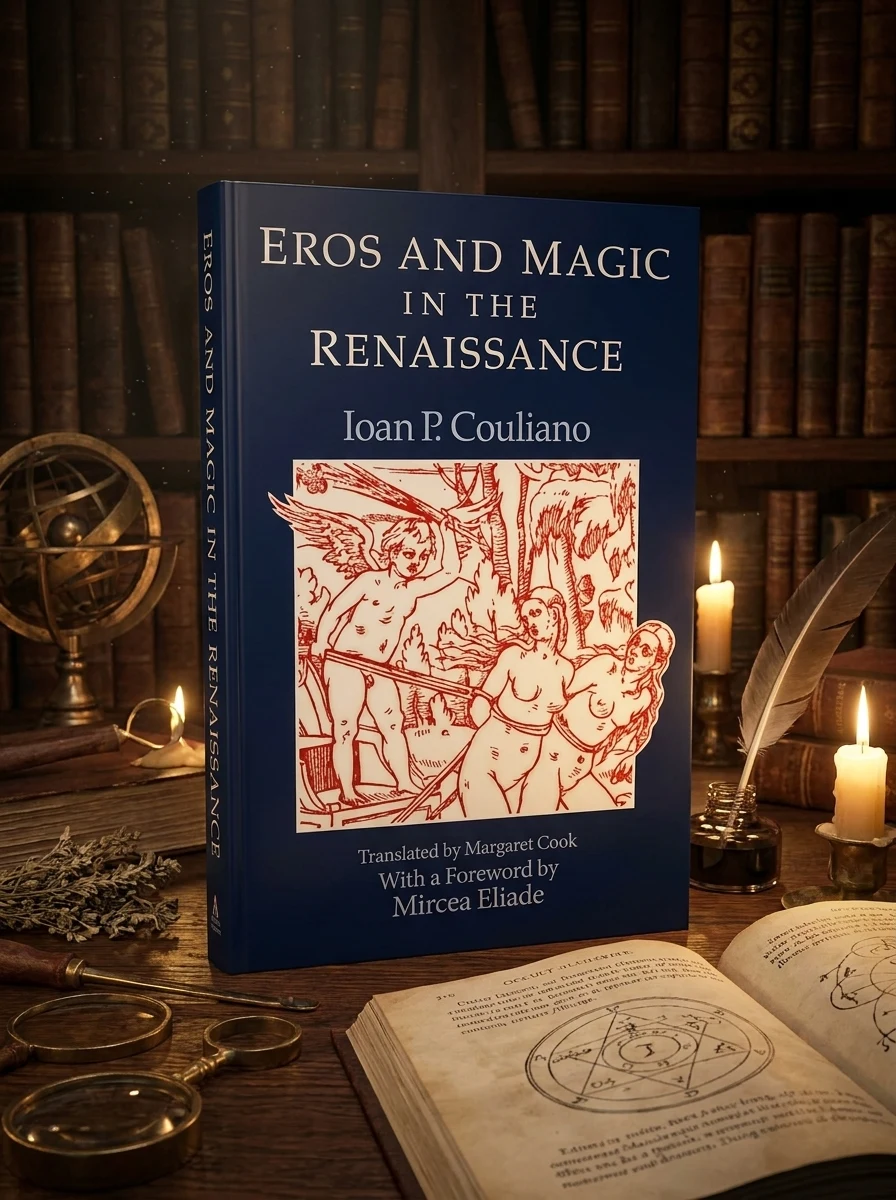
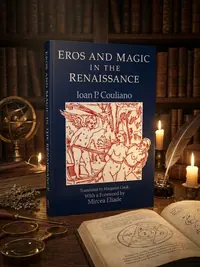
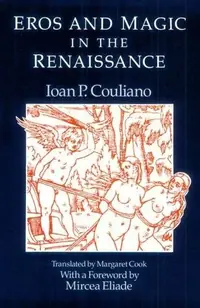
Eros and Magic in the Renaissance Couliano, Ioan P
Stock reported in the catalog; fulfillment is confirmed with your request.
Unveil how Renaissance magic manipulated minds through desire, paving the way for modern influence.
Ioan Couliano fundamentally redefines Renaissance magic, moving beyond the common misconception of it as mere superstition. This insightful work positions magical practice as a sophisticated, intellectually plausible system for influencing individuals and groups. At its core, Renaissance magic leveraged a profound understanding of human motivations, particularly erotic desire, and mastery of mnemonic arts to subtly shape perception and action. Couliano provocatively argues that these ancient techniques are direct ancestors to contemporary fields like psychoanalysis, sociology, and advertising, revealing a continuous thread of psychological manipulation across centuries.
This work redefines Renaissance magic as a sophisticated intellectual system rather than mere superstition, linking it to the era's mastery of mnemonic arts and human motivations. It positions these historical practices as direct ancestors to modern psychological and sociological frameworks.


📝 Description: Eros and Magic in the Renaissance Couliano, Ioan P
💎 Expert review
📖 Why choose it
Why this book is worth reading
Readers interested in the hidden intellectual currents of history will find this book essential. It offers a revelatory perspective on how Renaissance practitioners used erotic desire and mnemonic techniques to influence minds, effectively serving as the precursor to modern advertising and psychoanalysis. If you are curious about the sophisticated mechanics behind historical power structures or wish to understand the deep roots of contemporary psychological manipulation, this text provides a profound and necessary clarification. It invites you to see the past not as a time of blind superstition, but as an era of calculated, intelligent influence that continues to shape our world today.
⭐ Reader reviews
Reader rating
Couliano’s argument is provocative and intellectually rigorous, successfully dismantling the caricature of Renaissance magic as simple superstition. However, this book is strictly for those willing to engage with complex theoretical connections between eroticism, memory arts, and social control. It will likely frustrate readers seeking straightforward historical narratives or practical magical instructions. Those expecting a lighthearted exploration of folklore may find the dense focus on psychological manipulation and its modern parallels too academic. It is a serious study for those who enjoy tracing the lineage of ideas rather than enjoying entertaining tales.
❓ Frequently asked questions
📖 Who should read this
If you are fascinated by the intellectual history of the occult, the philosophical underpinnings of Renaissance thought, or the surprising origins of modern psychological manipulation, this book offers a profound reinterpretation. Prepare to have your perceptions of magic fundamentally shifted.
🎯 Key themes and symbolism
Magic as Rational Science
Couliano dismantles the modern prejudice that magic was simply ludicrous superstition. Instead, he presents Renaissance magic as a coherent, scientifically grounded attempt to understand and manipulate human behavior and the world, based on the knowledge and tools available at the time, particularly within the Neoplatonic tradition.
The Power of Eros
Central to Renaissance magical practice was the strategic use of erotic motivation. The book explores how magicians sought to influence individuals and groups by appealing directly to their sexual desires, recognizing this fundamental drive as a powerful lever for persuasion and control, shaping social dynamics.
Ancient Roots of Modern Influence
This study posits that the Renaissance magician, with their intricate understanding of human psychology and the art of memory, is a direct precursor to modern figures. Couliano draws compelling parallels between these historical practitioners and today's psychoanalysts, sociologists, and even advertising executives, highlighting enduring patterns of human influence.
💬 Quotes from the book
“The Renaissance magician was, in essence, an early practitioner of social engineering, employing a sophisticated understanding of human desire and imagination to subtly reorder the world.”
“Far from primitive superstition, the efficacy of Renaissance magic lay in its precise application of psychological principles, particularly the irresistible sway of erotic motivation.”
📜 Historical context
📚 Glossary
- Renaissance Magic
- Art of Memory
- Eros
📔 Questions to reflect on
- How does Couliano's reinterpretation of Renaissance magic challenge your preconceived notions about its nature and purpose?
- Consider the role of "erotic motivation" in modern advertising or political campaigns. How do these contemporary methods echo the Renaissance magical understanding of desire?
- If Renaissance magic aimed to manipulate individuals for specific outcomes, what ethical questions arise when we consider its modern successors like psychology or advertising?
🏛 Books from this publisher University of Chicago Press
All books from this publisher →
 86
86
You might also like
See more → 90
90