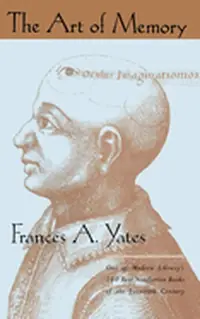
The Art of Memory
Yates, Frances AThis edition can be ordered. No arrival date is confirmed.
Uncover the lost secrets of ancient memory, a forgotten power in a digital age.
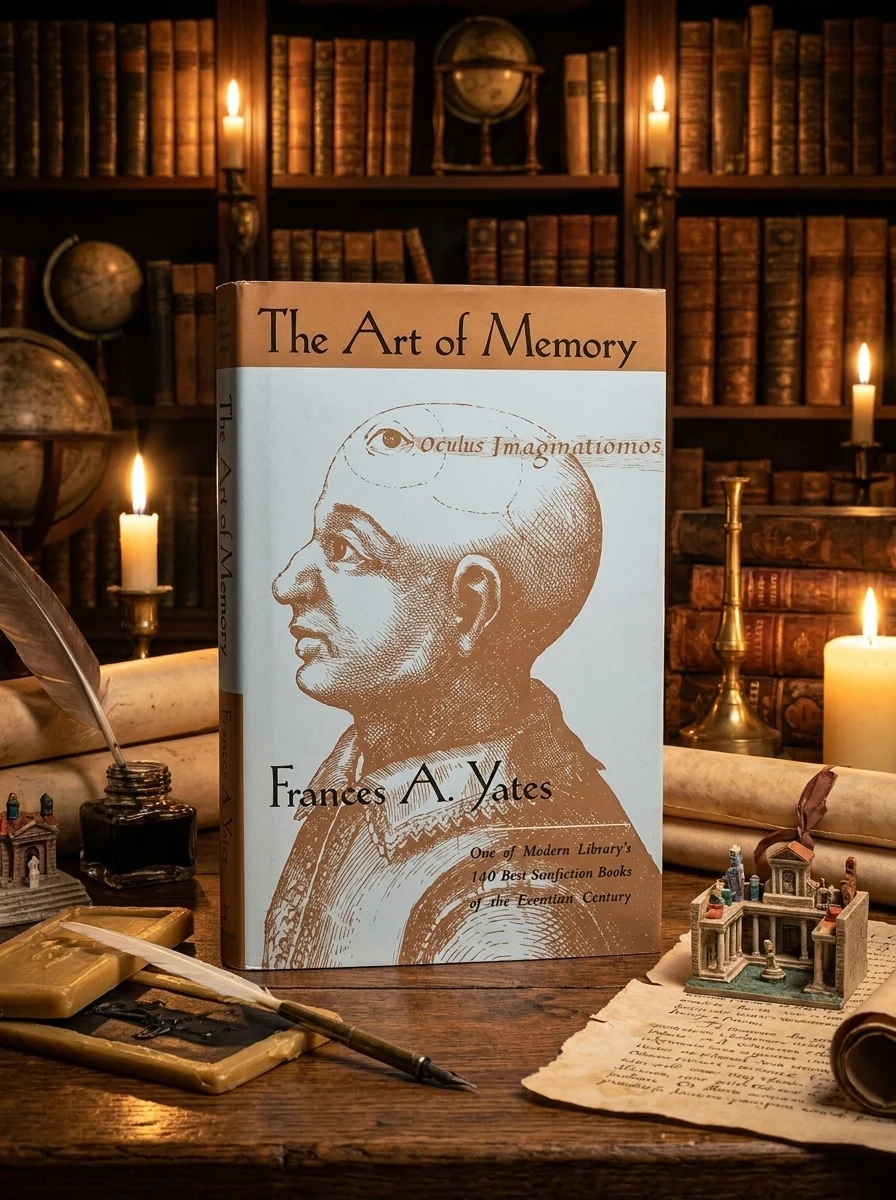
Before the ubiquitous printed word, humanity cultivated an intricate and profound "Art of Memory." Frances Yates' seminal work delves into this fascinating discipline, exploring the sophisticated techniques ancient and medieval practitioners employed to organize and recall vast information. More than mere mnemonic devices, these methods often intertwined with philosophical, magical, and cosmological systems. This study reveals memory as a spiritual and intellectual architecture, vital for knowledge retention and esoteric exploration long before Gutenberg's revolution transformed access to wisdom.
This work sits at the intersection of Renaissance history and esoteric philosophy, examining how pre-printing press societies structured knowledge through imaginative spatial architectures. It bridges the gap between classical rhetorical traditions and later occult practices that viewed memory as a spiritual discipline.


📝 Description: The Art of Memory
💎 Expert review
📖 Why choose it
Why this book is worth reading
You will find this text essential if you are fascinated by the hidden intellectual architectures that underpinned Western esotericism. Yates reveals how ancient and medieval practitioners did not merely memorize facts but constructed elaborate cosmological systems to house wisdom. This book is for those who seek to understand the profound connection between imagination, magic, and knowledge retention before the digital age. It offers a unique lens on how spiritual and intellectual pursuits were inextricably linked, providing deep insight into the psychological and metaphysical tools used by historical figures to navigate their complex worlds of thought and belief.
⭐ Reader reviews
Reader rating
Yates’ seminal study is a rigorous academic exploration of the Art of Memory, tracing its evolution from antiquity through the Renaissance. While it offers unparalleled insight into the esoteric roots of mnemonic techniques, it demands patience and scholarly interest. It does NOT suit readers seeking quick tips for modern memory improvement or those uninterested in historical philosophy. The dense analysis may alienate casual readers looking for straightforward self-help advice. However, for scholars of occult history and Renaissance thought, it remains an indispensable, albeit demanding, resource that fundamentally reshapes our understanding of how pre-modern minds organized reality.
❓ Frequently asked questions
📖 Who should read this
If you're fascinated by the hidden mechanics of the mind, the historical evolution of knowledge, or the esoteric roots of intellectual disciplines, this masterwork is essential. It offers profound insights into how our ancestors perceived and processed information, challenging modern assumptions.
🎯 Key themes and symbolism
Ancient Mnemonic Traditions
Explores the origins of systematic memory training, particularly from classical antiquity. It details how orators, philosophers, and mystics developed elaborate mental architectures, often involving 'memory palaces' or 'loci,' to navigate complex bodies of knowledge and sacred texts without external reference.
Memory's Esoteric Dimensions
Beyond mere recall, the book uncovers how memory arts were frequently imbued with symbolic and even magical significance. It reveals how practitioners saw memory as a faculty capable of accessing universal truths, aligning the individual mind with cosmic order, and serving as a conduit for hidden knowledge.
The Printing Revolution's Impact
Yates meticulously charts the decline of these intricate memory systems with the advent of the printing press. As knowledge became externalized and easily reproducible, the internal, cultivated landscape of memory transformed, shifting intellectual paradigms and altering the very nature of human cognition and learning.
💬 Quotes from the book
“The Art of Memory was not merely a technique for recall; it was a profound spiritual discipline, a map for the mind's ascent to universal forms.”
“With the advent of print, the vast inner landscape of the trained memory began to recede, replaced by the externalized, fragmented knowledge of the page.”
📜 Historical context
📚 Glossary
- Memory Palace
- Loci
- Ars Memorativa
📔 Questions to reflect on
- How might our perception and retention of knowledge differ today if print technology had never emerged, forcing us to rely on internal memory systems?
- Consider a modern digital tool you rely on for memory (e.g., search engine, cloud storage). What ancient memory principle does it most closely, or least closely, resemble?
- If you were to construct your own 'memory palace' for esoteric knowledge, what symbolic architecture and imagery would you use to organize your insights?
✍️ More books by this author Yates, Frances A
All books by this author →
🏛 Books from this publisher University of Chicago Press
All books from this publisher →

 86
86

You might also like
See more →
 90
90