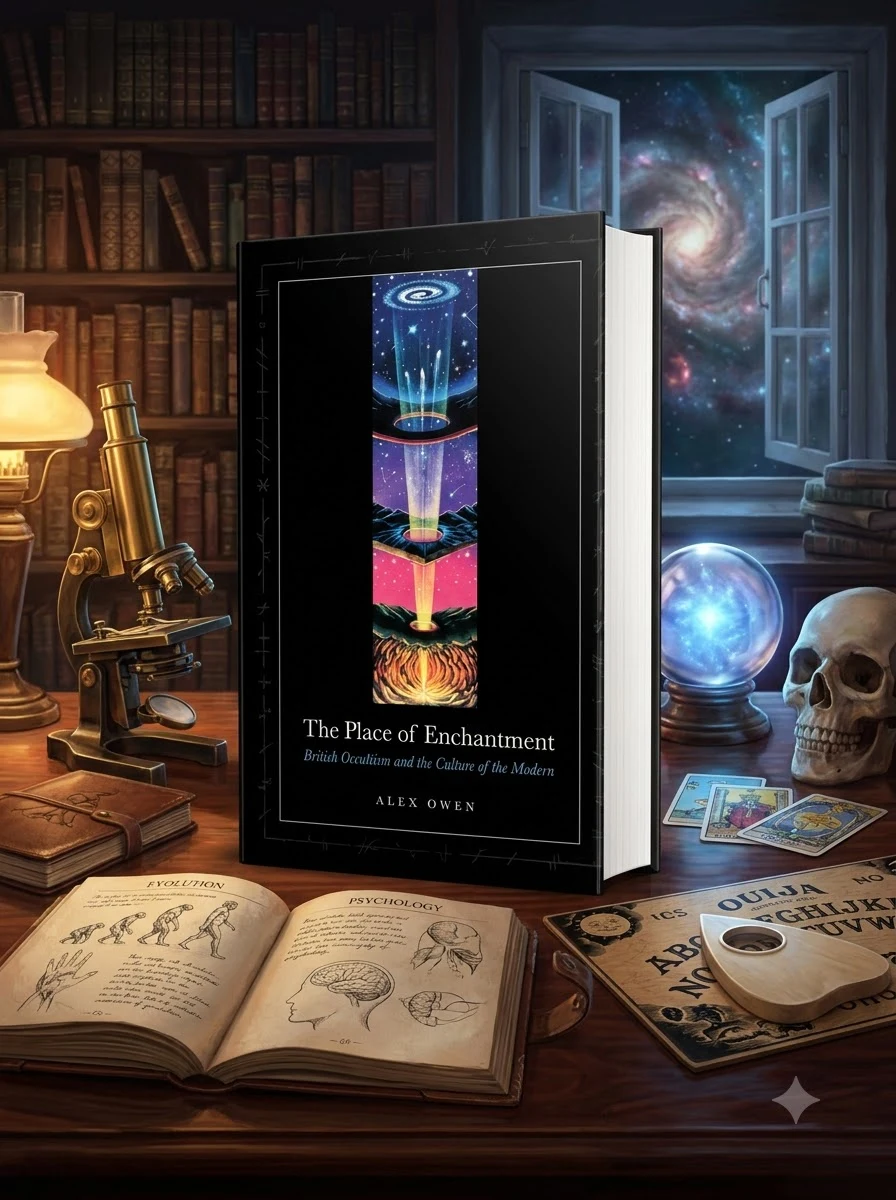
The Place of Enchantment: British Occultism and the Culture of the Modern
Owen, AlexThis edition can be ordered. No arrival date is confirmed.
Amidst an age of reason, why did magic captivate Victorian and Edwardian Britain?
Owen’s groundbreaking work delves into the unexpected flourishing of occult practices in late Victorian and Edwardian Britain, a period otherwise defined by scientific and psychological enlightenment. Rather than dismissing spiritual experimentation as mere folly, this study reclaims occultism's intellectual significance, positioning it as a pivotal force within the era’s avant-garde thought. It reveals how esoteric pursuits were not antithetical to emerging rationalities, but rather deeply intertwined with new understandings of mind and consciousness, offering a fresh perspective on a complex cultural moment before World War I.
This work situates itself within the historiography of late Victorian and Edwardian Britain, challenging the conventional narrative that views the era solely through the lens of scientific positivism. It explores the intersection of esoteric thought and modernist culture, positioning occultism as a significant component of the period's intellectual avant-garde.


📝 Description: The Place of Enchantment: British Occultism and the Culture of the Modern
💎 Expert review
📖 Why choose it
Why this book is worth reading
Readers fascinated by the paradoxes of modernity will find this book essential for understanding how spiritual experimentation coexisted with rationalism in pre-WWI Britain. Owen offers a refreshing perspective that elevates occult practices from mere folly to pivotal intellectual forces, revealing their deep connection to emerging theories of consciousness. If you are interested in how cultural moments shape esoteric thought, or if you seek to reclaim the intellectual significance of magical traditions during an age defined by enlightenment, this study provides the necessary context. It is particularly rewarding for those who appreciate nuanced historical analysis that bridges the gap between psychology, philosophy, and the occult, offering a fresh look at a complex era.
⭐ Reader reviews
Reader rating
Alex Owen delivers a groundbreaking examination of British occultism, successfully arguing for its intellectual legitimacy within late Victorian and Edwardian society. The text is rigorous and insightful, effectively dismantling the notion that esoteric pursuits were antithetical to rationality. However, this book is not suited for readers seeking practical magical instruction or light historical anecdotes; it demands engagement with dense academic argumentation regarding mind and consciousness. Those expecting a celebratory history of magic without critical scrutiny may find the tone too analytical. It is best reserved for scholars and serious enthusiasts willing to navigate complex cultural intersections before World War I.
❓ Frequently asked questions
📖 Who should read this
If you’re fascinated by the hidden undercurrents of history, the interplay between science and spirituality, or the intellectual ferment of late Victorian and Edwardian society, this book offers a profound re-evaluation of a misunderstood era.
🎯 Key themes and symbolism
Occultism's Cultural Rebirth
This book challenges the perception of occultism as a fringe activity, demonstrating its central role within British intellectual circles. It highlights how esoteric thought permeated the cultural landscape, influencing prominent thinkers and artists who were also grappling with new scientific paradigms.
Rationality and the Esoteric
Owen meticulously explores how engagement with the occult wasn't a rejection of reason but often an attempt to apply new psychological and anthropological frameworks to ancient mysteries. It shows a fascinating interplay between emerging scientific models and spiritual quests, rather than a simple dichotomy.
The Modern Mind's Mysticism
The study illustrates how figures like Darwin, Freud, and Frazer—who sought to demystify the world—inadvertently created space for new interpretations of psychic phenomena and hidden truths. It argues that a 'psychologized magic' emerged, reflecting a period of profound re-evaluation of human consciousness.
💬 Quotes from the book
“The late Victorian fascination with unseen forces was not a retreat from modernity, but rather a profound engagement with its most unsettling questions concerning the limits of perception and the nature of consciousness.”
“To understand the occult's resurgence, one must view it not as superstition revived, but as a complex intellectual endeavor, deeply intertwined with the very psychological and anthropological inquiries meant to rationalize the world.”
📜 Historical context
📚 Glossary
- Occultism
- Esotericism
- Avant-garde
📔 Questions to reflect on
- How might current scientific or technological advancements create new forms of 'esoteric' exploration or belief systems today?
- Consider a historical period you know well. Were there seemingly 'irrational' trends that, upon closer inspection, reveal deeper cultural or intellectual anxieties?
- If occultism was a 'psychologized magic' in this era, how do you see psychology influencing contemporary spiritual or self-help movements?
✍️ More books by this author Owen, Alex
All books by this author →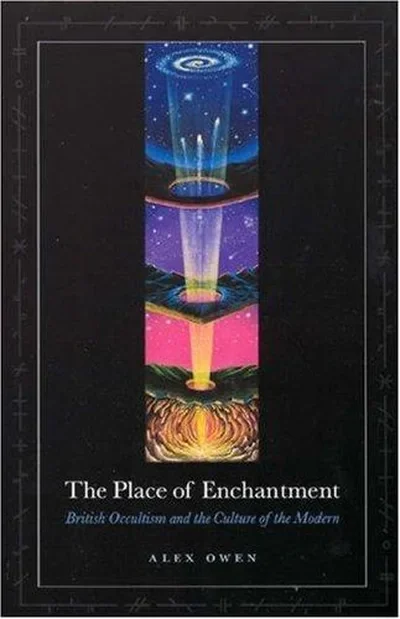
🏛 Books from this publisher University of Chicago Press
All books from this publisher →
 86
86
You might also like
See more →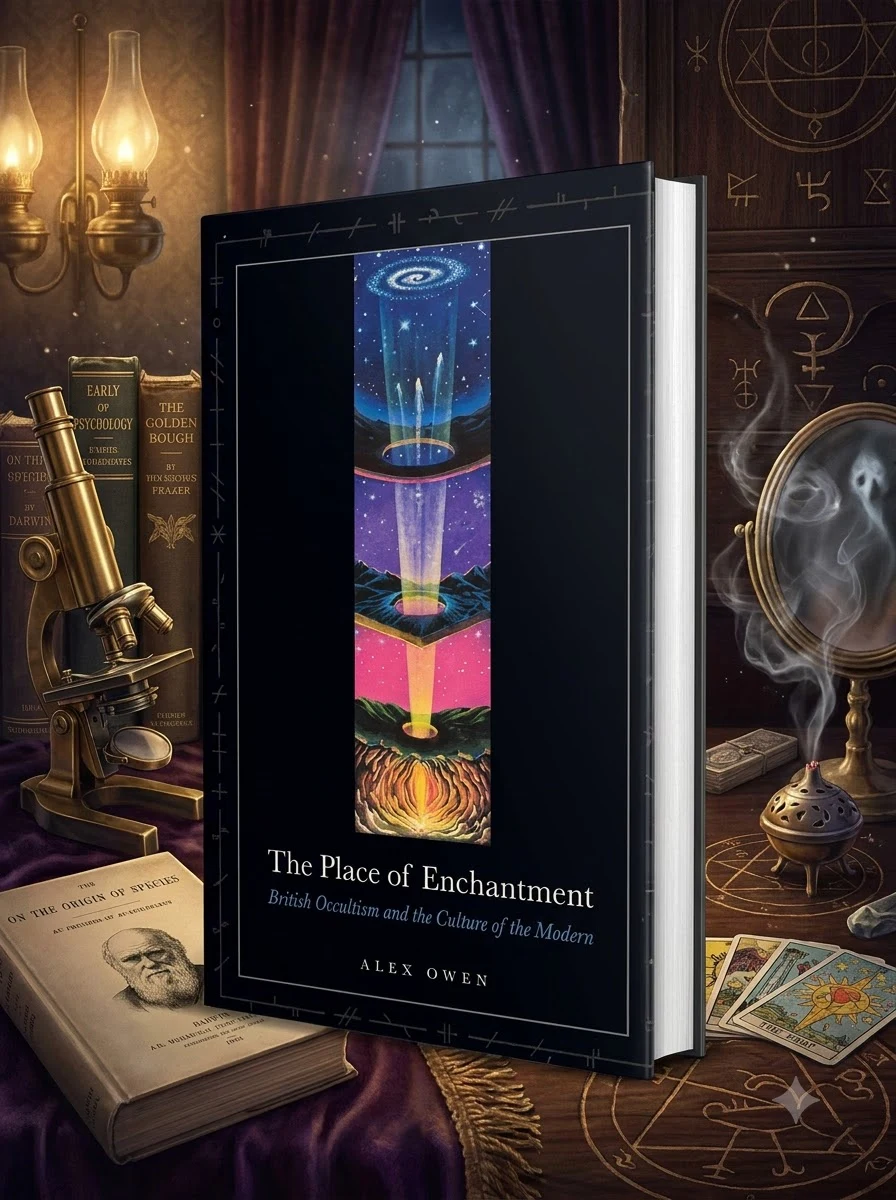
 90
90