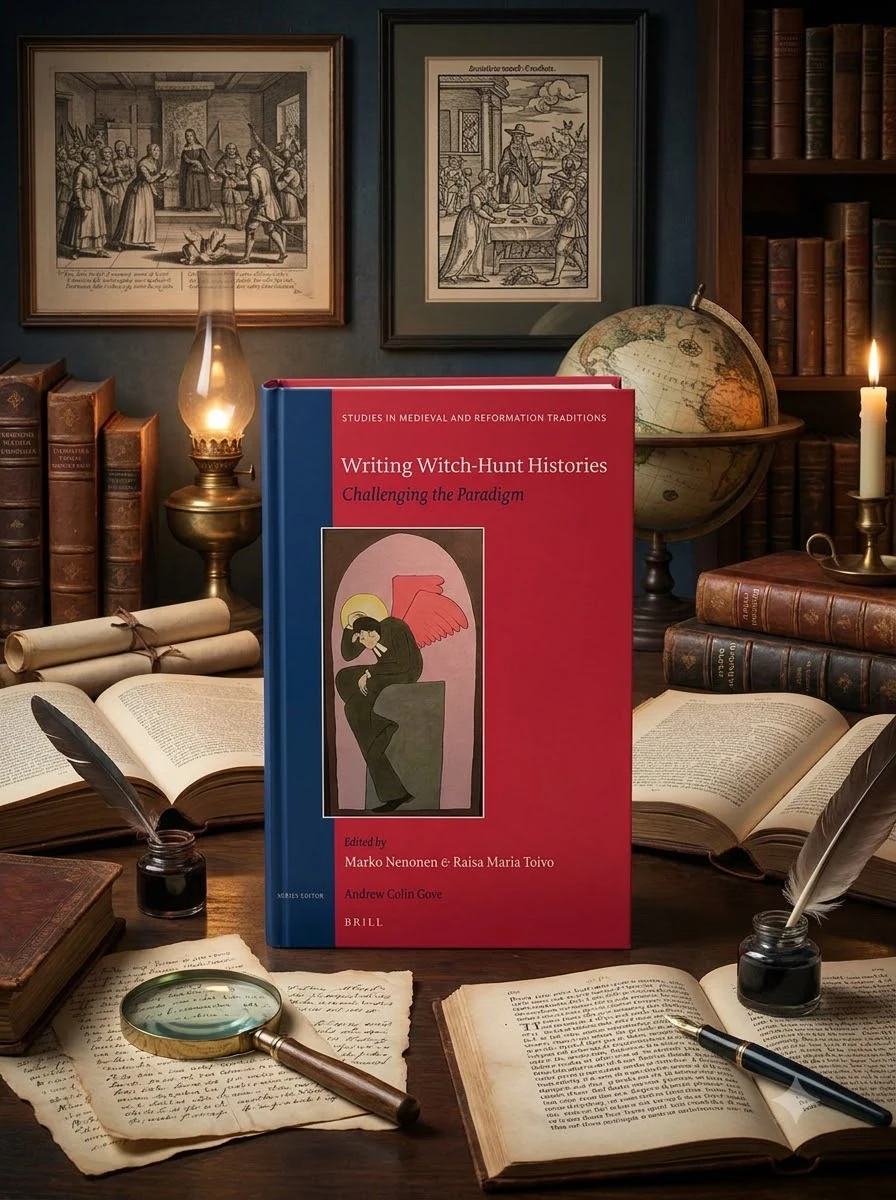
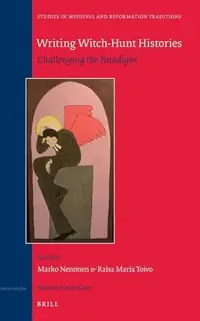
Writing Witch-Hunt Histories: Challenging the Paradigm - Ingram Academic Nenonen, Marko
 83
83
 Editorial score
How we rate
Editorial score
How we rate
Stock reported in the catalog; fulfillment is confirmed with your request.
Uncover the hidden history of how we understand witch hunts themselves.
This compelling collection delves into the fascinating evolution of witch hunt scholarship over the past 150 years. Instead of merely recounting historical events, it meticulously examines *how* historians and researchers have interpreted and presented these notorious European persecutions. The authors reveal how academic trends, cultural biases, and shifting intellectual paradigms have profoundly shaped our understanding, often without researchers even realizing their influence. It's a critical look at the very foundations of witch hunt studies, offering insights into both the phenomenon and the nature of academic inquiry itself.
This work sits firmly within the historiography of magic and persecution, engaging with the meta-narrative of how European witch hunts have been studied over the last century and a half. It challenges established academic paradigms by examining the cultural biases and intellectual trends that have shaped these historical interpretations.


📝 Description: Writing Witch-Hunt Histories: Challenging the Paradigm - Ingram Academic Nenonen, Marko
💎 Expert review
📖 Why choose it
Why this book is worth reading
This book is essential for scholars, students, and serious enthusiasts who wish to understand not just what happened during the witch hunts, but how we have come to know it. It offers a critical lens on the evolution of scholarship, revealing how hidden biases and shifting academic trends have constructed our current narratives. Readers who enjoy deconstructing historical myths or analyzing the sociology of knowledge will find this deeply rewarding. It provides a unique meta-historical perspective that enriches any broader study of early modern Europe, offering clarity on why certain interpretations dominate and others fade. If you are curious about the reliability of historical consensus, this text is an indispensable guide.
⭐ Reader reviews
Reader rating
Marko Nenonen and Raisa Maria Toivo provide a rigorous examination of witch hunt historiography, dissecting the intellectual frameworks that have guided research for over 150 years. While intellectually stimulating for those interested in academic methodology, this volume may frustrate readers seeking a straightforward narrative of events or vivid accounts of persecution. It is strictly for those willing to engage with abstract scholarly debates rather than historical storytelling. Casual readers looking for accessible drama will likely find the tone dry and overly analytical. However, for academics and advanced students, it serves as a vital corrective to uncritical acceptance of established historical narratives.
❓ Frequently asked questions
📖 Who should read this
For historians, students of esoteric traditions, and anyone fascinated by the intellectual frameworks shaping our past, this book offers a profound mirror. If you seek to understand not just what happened during the witch hunts, but *how* our understanding of them has been constructed and challenged, this insightful volume awaits.
🎯 Key themes and symbolism
Historiographical Evolution
This book meticulously traces the shifting methodologies and interpretive frameworks employed by scholars over the last century and a half to analyze European witch hunts. It highlights how different eras have brought new perspectives, from early, moralistic accounts to more recent sociological or psychological interpretations, revealing the dynamic nature of historical understanding.
Academic & Cultural Biases
The text rigorously exposes how prevailing academic fads and broader cultural currents subtly—and sometimes overtly—influence scholarly conclusions. It argues that even seemingly objective historical research is often shaped by the unacknowledged assumptions and intellectual climate of its time, prompting readers to critically assess the lenses through which history is viewed.
Challenging Paradigms
A central tenet of this collection is the critical re-evaluation of established narratives surrounding witch hunts. It questions long-held assumptions and dominant theories, demonstrating how new evidence or innovative analytical approaches can fundamentally alter our comprehension of these complex historical events, urging a more nuanced and self-aware approach to historical inquiry.
💬 Quotes from the book
“The evolving lens through which historians view the past often reveals more about their present than the era they purport to study.”
“To truly comprehend the witch hunts, one must first deconstruct the narratives that have shaped our understanding for centuries, recognizing their inherent biases and intellectual frameworks.”
📜 Historical context
📚 Glossary
- Historiography
- Paradigm
- Cognisant
📔 Questions to reflect on
- Consider a historical event you've studied: How might prevailing academic trends or cultural biases of your own time influence your interpretation of that event?
- Can history ever be truly objective, or is it always, to some extent, a reflection of the historian's context? Discuss the implications for understanding past atrocities like witch hunts.
- Reflect on a 'paradigm shift' in any field you're familiar with. How did the old paradigm limit understanding, and what new insights did the shift enable?
🏛 Books from this publisher Brill
All books from this publisher →
You might also like
See more →
 91
91