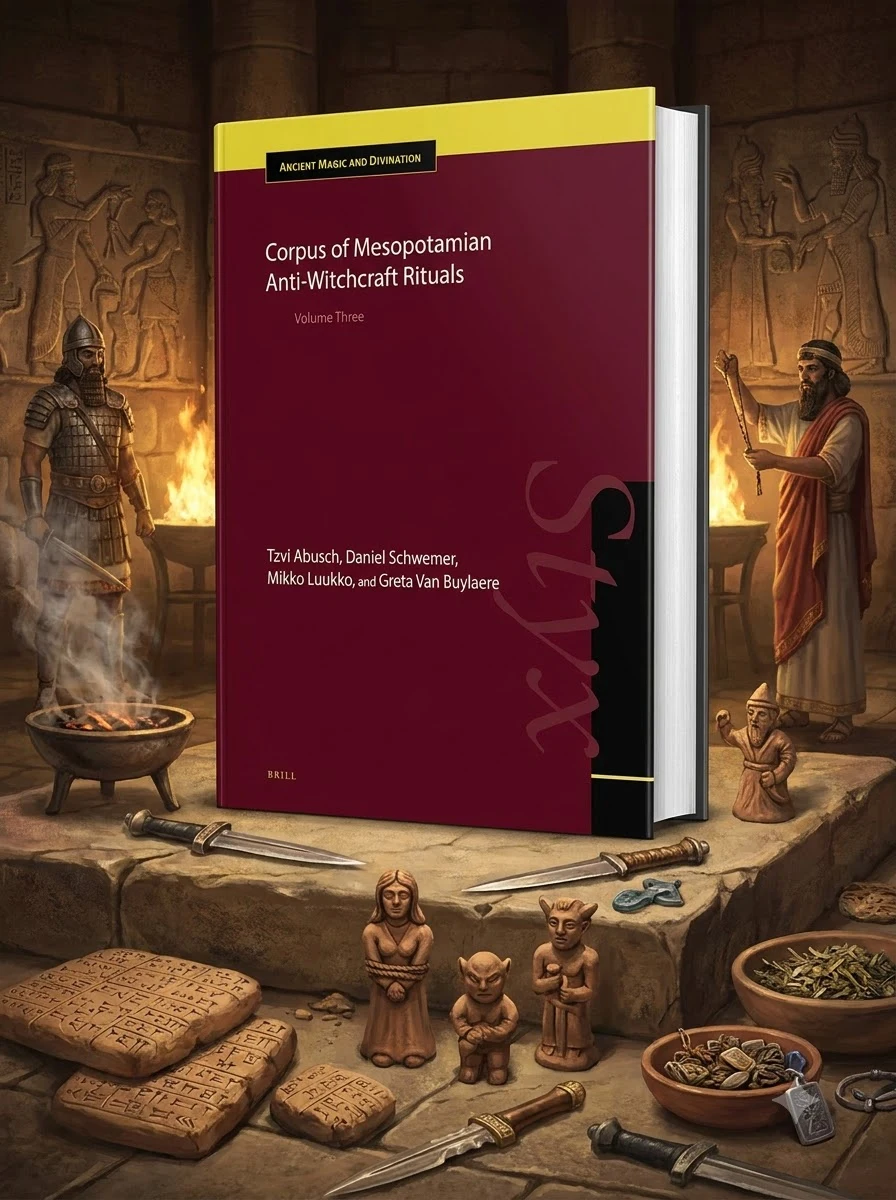
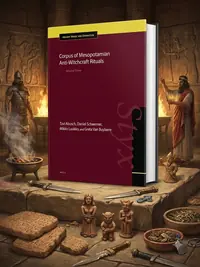
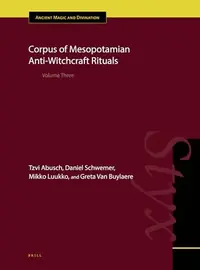
Corpus of Mesopotamian Anti-Witchcraft Rituals: Volume Three - Ingram Academic Abusch, Tzvi
 91
91
 Editorial score
How we rate
Editorial score
How we rate
This edition can be ordered. No arrival date is confirmed.
Unearth ancient Mesopotamian secrets to combat malevolent magic and illness.
This authoritative volume meticulously reconstructs and presents a vital collection of ancient Mesopotamian texts focused on anti-witchcraft rituals. Delving into Sumerian and Akkadian magical and medical literature, it illuminates how these cultures understood and countered perceived sorcerous attacks, which they often blamed for illness and misfortune. The book provides critical editions of incantations and ceremonies, offering profound insights into the methods used to dispel malevolent influences, neutralize the supposed witch, and ensure the protection and recovery of the afflicted individual. It is an essential scholarly resource for understanding a complex system of ancient belief and practice.
This volume sits within the field of ancient Near Eastern studies, specifically focusing on Sumerian and Akkadian magical and medical literature. It explores how these early cultures conceptualized and countered perceived sorcerous attacks through complex ritual practices.


📝 Description: Corpus of Mesopotamian Anti-Witchcraft Rituals: Volume Three - Ingram Academic Abusch, Tzvi
💎 Expert review
📖 Why choose it
Why this book is worth reading
Scholars and serious enthusiasts of esoteric history will find this volume indispensable for its meticulous reconstruction of ancient anti-witchcraft rituals. It offers a profound window into the Sumerian and Akkadian understanding of illness as malevolent magic, providing critical editions of incantations that reveal how these societies sought protection and recovery. This is not casual reading; it is a vital resource for anyone interested in the intersection of ancient medicine, religion, and magic. Readers seeking to understand the roots of Western occult thought or the historical context of witchcraft accusations will gain unique insights from this authoritative scholarly work.
⭐ Reader reviews
Reader rating
This text is an essential academic resource for specialists in Mesopotamian studies and comparative religion. However, it is strictly scholarly and likely unsuitable for casual readers or those seeking practical Wiccan guidance. The dense presentation of critical editions may alienate general audiences looking for accessible narratives or spiritual application. While invaluable for understanding the intellectual framework of ancient counter-magic, it lacks the engaging prose or practical utility expected by hobbyists. It serves best as a reference work for researchers rather than a cover-to-cover read for the broader public interested in witchcraft history.
❓ Frequently asked questions
📖 Who should read this
For serious students of ancient Near Eastern studies, magic, and comparative religion, this indispensable resource offers unparalleled insight into Mesopotamian anti-witchcraft practices. Essential for those seeking primary source material and rigorous scholarly analysis of ancient magical systems.
🎯 Key themes and symbolism
Ancient Magical Practices
Explore how this book meticulously reconstructs and analyzes the complex magical systems of Sumerian and Akkadian cultures. It reveals their intricate beliefs about malevolent influences and the sophisticated protective rites developed to counter them, showcasing the depth of ancient supernatural understanding.
Dispelling Malefic Intent
Delve into the specific rituals designed not only to identify and neutralize the perceived source of witchcraft but also to heal the afflicted and safeguard them from future magical harm. This volume offers a unique window into ancient medical and spiritual remedies, emphasizing the practical application of magic.
Scholarly Textual Recovery
Understand the monumental effort involved in piecing together these fragmented cuneiform tablets. This volume provides critical editions, offering scholars and enthusiasts direct access to the original formulations of these powerful ancient texts, ensuring their preservation and study for generations.
💬 Quotes from the book
“"May the binding spell be unloosed, the evil eye averted, and the sorcerer's hand wither from afar."”
“"The meticulous collation of tablet fragments from Nippur and Uruk reveals subtle variations in ritual execution, illuminating regional magical traditions across the empire."”
📜 Historical context
📚 Glossary
- Mesopotamia
- Cuneiform
- Anti-Witchcraft Rituals
📔 Questions to reflect on
- How do ancient Mesopotamian understandings of illness and misfortune, often attributed to supernatural causes, compare to modern perspectives on health and well-being?
- What might the societal implications have been for individuals accused of 'witchcraft' in ancient Mesopotamia, and how did these rituals attempt to address such anxieties?
- Reflect on the power of ritual and belief systems, both then and now, in providing comfort, control, and a framework for understanding the unknown or uncontrollable aspects of life.
🏛 Books from this publisher Brill
All books from this publisher →
You might also like
See more →
 91
91