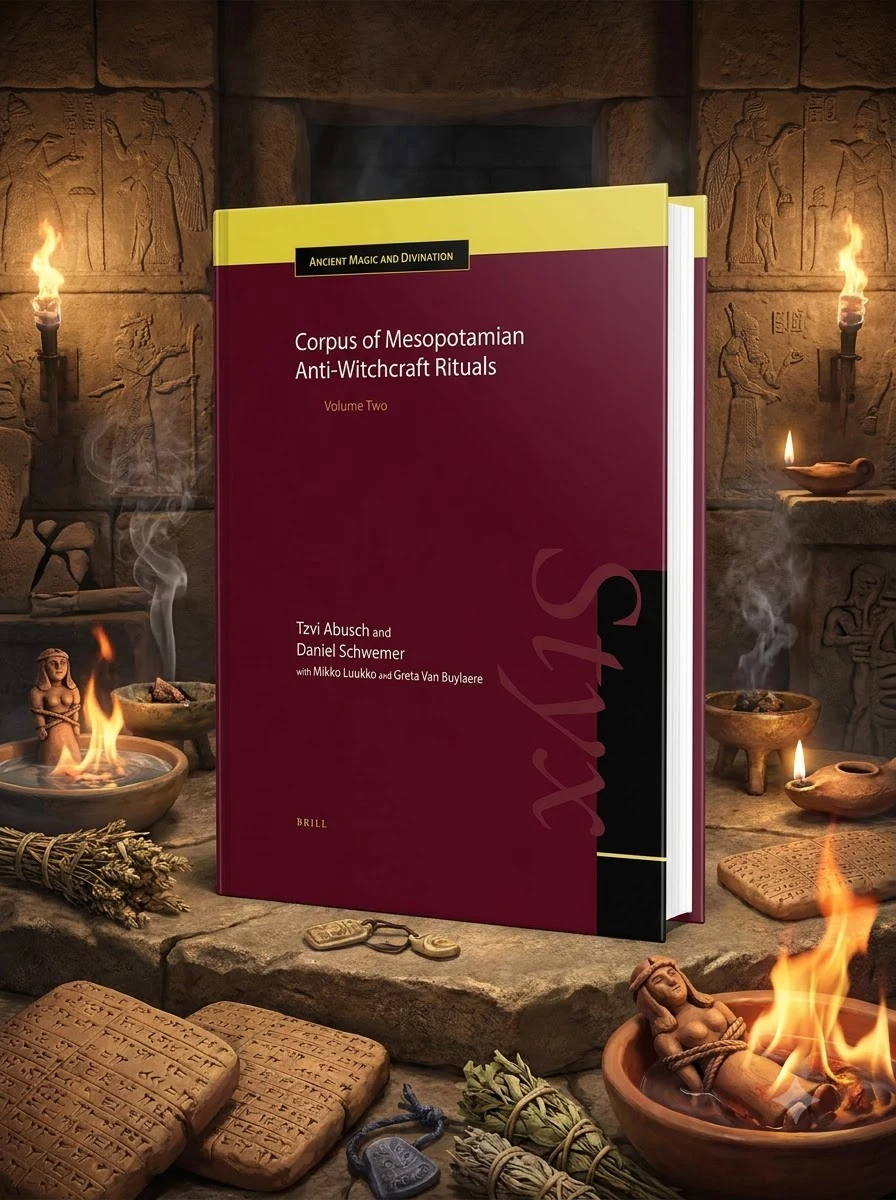
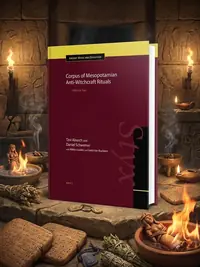
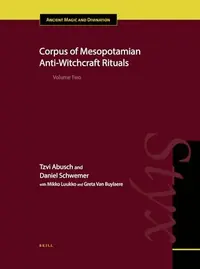
Corpus of Mesopotamian Anti-Witchcraft Rituals: Volume Two - Ingram Academic Abusch, Tzvi
 85
85
 Editorial score
How we rate
Editorial score
How we rate
Stock reported in the catalog; fulfillment is confirmed with your request.
Unearth ancient Mesopotamian secrets to combat malevolent magic and restore well-being.
This second volume of a monumental scholarly endeavor delves deep into the intricate world of ancient Mesopotamian anti-witchcraft practices. It meticulously reconstructs and analyzes Sumerian and Akkadian texts, offering critical editions of rituals and incantations designed to counteract perceived magical attacks. Readers will discover how these ancient cultures attributed illness and misfortune to sorcery, and the precise ceremonies, devices, and treatments prescribed to dispel evil influences, neutralize witches, and protect the afflicted. It's an indispensable resource for understanding a core aspect of Mesopotamian thought.
This volume belongs to the rigorous field of ancient Near Eastern studies, specifically focusing on Mesopotamian religious and magical practices. It serves as a critical scholarly resource for understanding how Sumerian and Akkadian cultures conceptualized and countered malevolent magic.


📝 Description: Corpus of Mesopotamian Anti-Witchcraft Rituals: Volume Two - Ingram Academic Abusch, Tzvi
💎 Expert review
📖 Why choose it
Why this book is worth reading
This indispensable resource is tailored for dedicated scholars and serious enthusiasts of ancient history who seek to understand the foundational aspects of Mesopotamian thought regarding illness and misfortune. Readers will gain profound insight into how these ancient societies attributed suffering to sorcery and employed precise ceremonies, devices, and treatments to dispel evil influences. By meticulously reconstructing Sumerian and Akkadian texts, the book offers a critical examination of rituals designed to neutralize witches and protect the afflicted. It is essential for those wishing to move beyond superficial summaries and engage with the intricate world of ancient anti-witchcraft practices, providing a deep, scholarly reconstruction of how well-being was restored through magical means in antiquity.
⭐ Reader reviews
Reader rating
This monumental scholarly endeavor provides a meticulous analysis of Sumerian and Akkadian texts, offering critical editions of rituals intended to counteract perceived magical attacks. It is an invaluable tool for historians and linguists studying ancient Mesopotamian culture and its complex views on magic and healing. However, this work does not suit casual readers or those seeking accessible narratives about witchcraft history. The dense academic nature, requiring familiarity with critical editions of ancient languages, makes it inaccessible to the general public. It is strictly for specialists willing to engage with difficult primary source material rather than those looking for a readable overview of esoteric traditions.
❓ Frequently asked questions
📖 Who should read this
For the serious scholar, the dedicated occultist, or anyone fascinated by the origins of magical thought and ancient spiritual practices, this volume offers unparalleled insight into Mesopotamian anti-witchcraft traditions. Prepare for a deep dive into rigorous academic research.
🎯 Key themes and symbolism
Ancient Witchcraft Beliefs
Explores how Mesopotamian societies conceptualized witchcraft as a pervasive source of illness and personal calamity, detailing the perceived "magic machinations" of witches. It sheds light on the cultural understanding of malevolent influence and the profound fear it instilled, providing context for the elaborate countermeasures developed.
Ritual Counter-Magic
Presents the elaborate ceremonies, protective incantations, and specific physical devices prescribed to combat malevolent magic. These practices were designed to dispel curses, actively destroy the witch's power, and restore health and well-being to the afflicted, revealing the practical application of their magical worldview.
Cuneiform Textual Recovery
Focuses on the meticulous academic process of reconstructing fragmented cuneiform tablets, providing critical editions that bring these vital ancient Sumerian and Akkadian anti-witchcraft texts to modern scholarship. This volume exemplifies rigorous philological work, ensuring the preservation and accurate interpretation of these foundational historical sources.
💬 Quotes from the book
“May the evil machinations of the sorcerer be turned back upon their sender, and the afflicted be made whole by the purifying flame.”
“The meticulous reconstruction of this fragmented tablet reveals a previously unseen sequence for the 'Burning of the Witch' ritual.”
📜 Historical context
📚 Glossary
- Anti-Witchcraft Ritual
- Cuneiform
- Incantation
📔 Questions to reflect on
- Consider how ancient Mesopotamian beliefs about witchcraft resonate with or diverge from modern understandings of misfortune, illness, or malevolent magic.
- Reflect on the power of ritual and language in ancient cultures for psychological and communal well-being, even when facing intangible threats like witchcraft.
- If you were to design a contemporary anti-witchcraft ritual based on ancient principles, what elements would you incorporate and why?
🏛 Books from this publisher Brill
All books from this publisher →
You might also like
See more →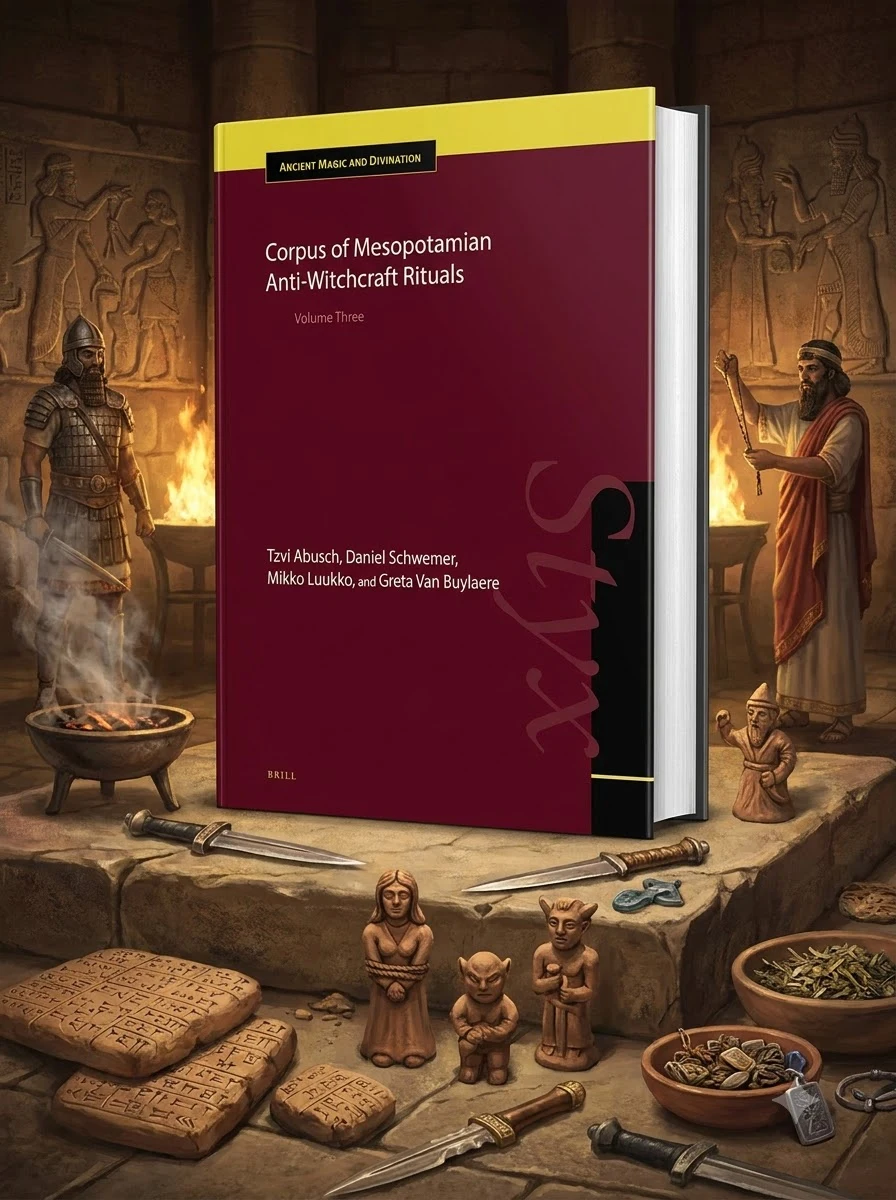
 91
91