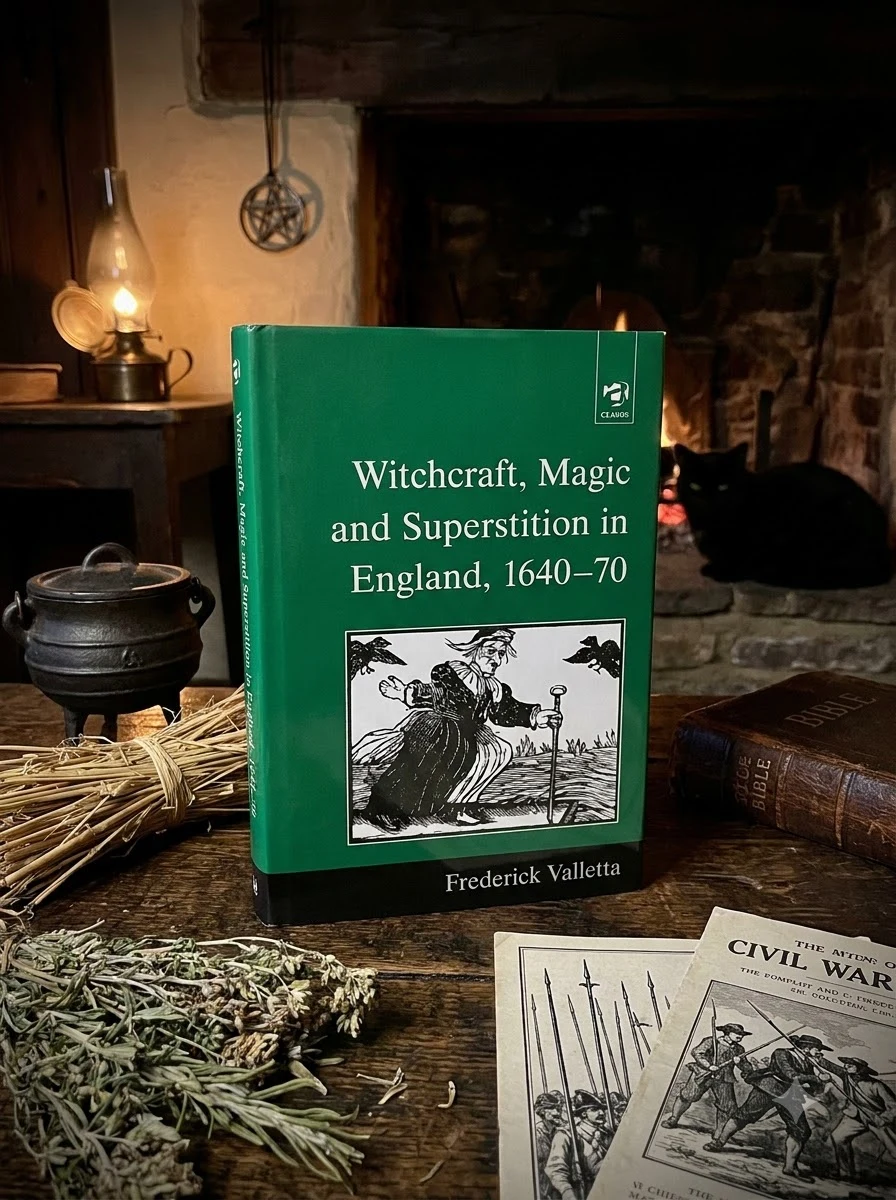

Witchcraft, Magic and Superstition in England, 1640-70
 82
82
 Editorial score
How we rate
Editorial score
How we rate
This edition can be ordered. No arrival date is confirmed.
Witchcraft served as political weaponry during England's bloody civil wars, shaping public fear and power dynamics.
Valletta meticulously traces how elite and popular views of magic intertwined amidst the chaos of the English Civil War and Restoration. He argues that superstition was not merely folk ignorance but a potent tool wielded by authorities to discredit rivals and manipulate the masses. Through an analysis of pamphlets and treatises, the book reveals how religious ferment and political strife fueled demonic imagery, turning supernatural beliefs into essential propaganda for both sides of the conflict.
This work situates itself within the historiography of early modern England, specifically examining the intersection of religious fervor and political instability during the mid-seventeenth century. It contributes to the scholarly understanding of how occult beliefs were weaponized during the turbulent years of the English Civil War and the subsequent Restoration.


📝 Description: Witchcraft, Magic and Superstition in England, 1640-70
💎 Expert review
📖 Why choose it
Why this book is worth reading
Scholars and enthusiasts of political history will find immense value in this text, as it illuminates the often-overlooked role of supernatural beliefs in shaping public opinion during a critical era. Readers interested in the mechanics of power dynamics will appreciate how Valletta dissects the strategic use of demonic imagery by authorities to discredit opponents. It offers a refreshing perspective for those tired of viewing superstition solely as peasant ignorance, revealing instead its sophisticated utility among elites. By analyzing pamphlets and treatises, the book provides a nuanced view of how fear was manufactured and manipulated, making it essential for understanding the psychological landscape of 1640s-70s England.
⭐ Reader reviews
Reader rating
Bought this as a gift for my sister and ended up ordering a second copy for myself. It reads better in small doses — a chapter at a time with notes. I'd have loved an index, but that's on the original text. Happy enough with the purchase.
Valletta offers a rigorous, scholarly examination of magic as political weaponry, providing deep insights into the interplay between elite theory and popular belief during the Civil War era. The analysis of primary sources is meticulous, revealing how religious ferment fueled propaganda for both sides of the conflict. However, this dense academic approach may alienate casual readers seeking narrative flair or accessible storytelling. Those looking for a light read on witchcraft folklore will likely find the focus on political utility and treatise analysis dry and overly technical. It is best suited for those willing to engage with complex historical arguments rather than simple mystical tales.
❓ Frequently asked questions
📖 Who should read this
Scholars of early modern history and readers interested in the intersection of religion, politics, and the supernatural during times of societal collapse.
🎯 Key themes and symbolism
Political propaganda
Religious upheaval
Demonic imagery
💬 Quotes from the book
“Deeply held superstitions were fundamental to belief in witches, the devil, ghosts, apparitions and supernatural healing.”
“Authorities somewhat cynically used demonic imagery and language to discredit their opponents and to manipulate popular opinion.”
📜 Historical context
📚 Glossary
- Interregnum
- Portents
- Ferment
📔 Questions to reflect on
- How might modern political rhetoric utilize 'supernatural' or moral panic imagery to discredit opponents?
- In what ways do we still rely on unverified 'portents' to justify our political or social biases?
- Reflect on a time when fear of the unknown was used to consolidate power within a group you belong to.
🏛 Books from this publisher Routledge
All books from this publisher →



 89
89


You might also like
See more → 91
91


 90
90

 90
90
 90
90