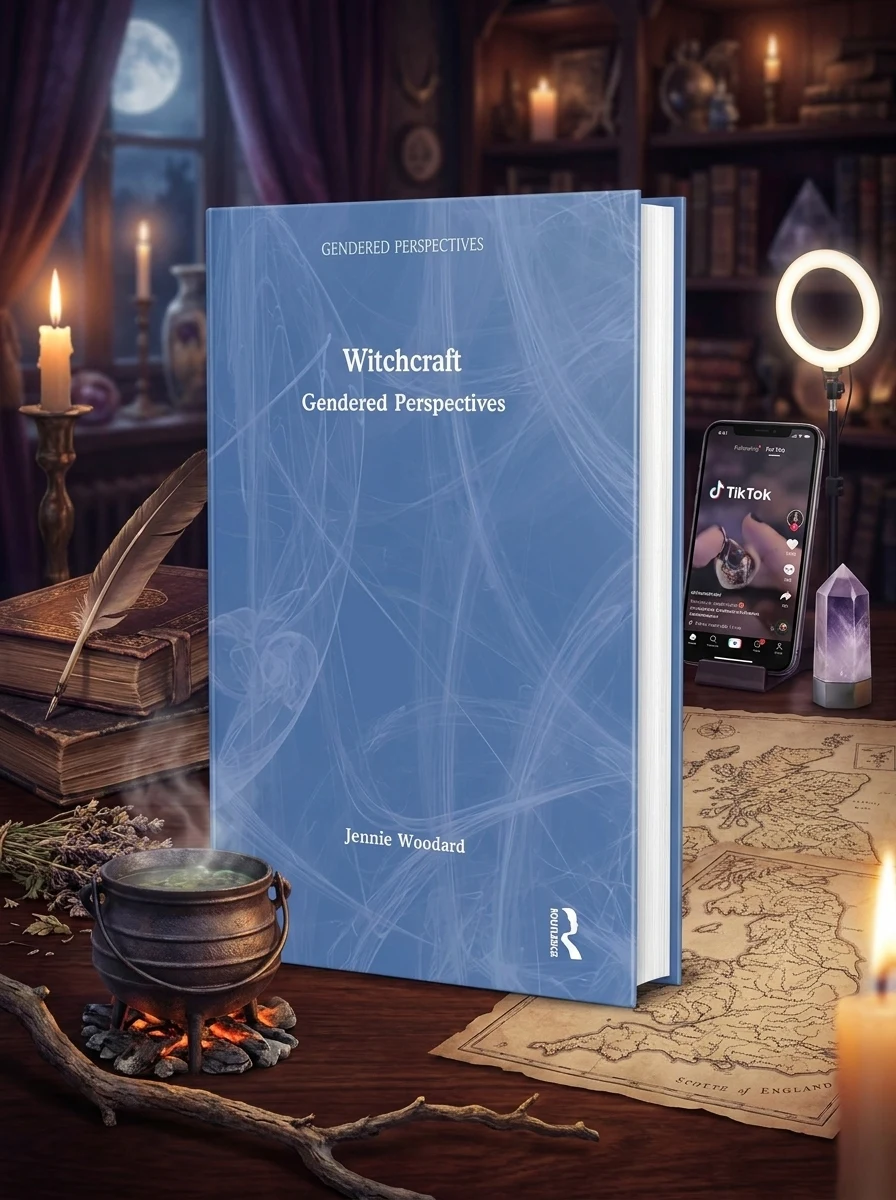
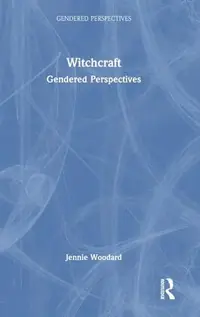
Witchcraft: Gendered Perspectives Woodard, Jennie
Woodard, Jennie 82
82
 Editorial score
How we rate
Editorial score
How we rate
Stock reported in the catalog; fulfillment is confirmed with your request.
Unravel the complex tapestry of the witch, from persecuted figure to empowered icon.
Jennie Woodard’s "Witchcraft: Gendered Perspectives" offers a compelling journey through six centuries of the witch archetype. This insightful volume critically examines how the concept of the witch has been shaped by societal views on gender, power, and fear. From the notorious witch trials to its contemporary resurgence in popular culture and spiritual practice, Woodard employs an intersectional lens to illuminate the shifting narratives that have both demonized and celebrated this enduring symbol. It's an essential exploration of the witch as a mirror reflecting evolving cultural anxieties and aspirations.
This volume situates itself within the scholarly discourse on gender studies and the history of esotericism, tracing the evolution of the witch archetype over six centuries. It bridges historical analysis with contemporary cultural commentary, reflecting modern academic interest in intersectional perspectives on power and identity.


📝 Description: Witchcraft: Gendered Perspectives Woodard, Jennie
💎 Expert review
📖 Why choose it
Why this book is worth reading
Readers who seek to understand the deeper sociological roots of witchcraft will find profound value in this text. It is ideal for scholars, activists, and spiritual practitioners interested in how gender dynamics have historically influenced the demonization and subsequent empowerment of the witch figure. By examining the intersection of fear, power, and identity, Woodard provides a nuanced framework for interpreting both historical persecution and modern revival movements. Those who wish to move beyond superficial pop-culture depictions to grasp the complex cultural anxieties mirrored in the witch archetype will gain significant insight. This book serves as a critical tool for anyone analyzing how societal narratives shape spiritual and symbolic identities across time.
⭐ Reader reviews
Reader rating
Woodard delivers a rigorous academic exploration that may feel dense to casual readers seeking practical spells or lighthearted folklore. The text is not suited for those expecting a beginner's guide to Wiccan practice or a narrative history of specific trials without theoretical context. Its strength lies in its critical, intersectional analysis rather than accessible storytelling. While intellectually stimulating and vital for understanding the gendered construction of the witch, it demands patience from readers unaccustomed to dense sociological theory. It is an essential resource for academic inquiry but may overwhelm those looking for immediate spiritual application or simple historical anecdotes.
❓ Frequently asked questions
📖 Who should read this
If you're fascinated by the intersection of history, gender studies, and popular culture, this book is for you. Readers interested in the social construction of fear, the evolution of spiritual practices, or the enduring power of symbolic figures will find it profoundly illuminating.
🎯 Key themes and symbolism
Historical Evolution of Witchcraft
This book meticulously traces the historical trajectory of the witch figure, from its early, often terrifying, codifications like the Malleus Maleficarum, through periods of intense persecution in Europe and America, to its modern-day reinterpretation. It highlights how the definition and perception of 'witch' have dramatically transformed across different eras and social contexts.
Gender and Power Dynamics
Woodard deeply explores the intrinsic link between the witch and the female experience, revealing how the figure has historically been used to control and demonize women. The text analyzes the gendered nature of accusations, the societal fears projected onto female autonomy, and how these dynamics continue to resonate in contemporary cultural narratives surrounding witchcraft and womanhood.
Reclamation and Modern Identity
The volume investigates the powerful movement of reclaiming the witch as a symbol of empowerment, resistance, and alternative spirituality. It covers the rise of Wicca as a recognized religion and the phenomenon of the witch's widespread presence in literature, film, and digital spaces like TikTok, showcasing how a once-feared figure is now embraced as an icon of defiance.
💬 Quotes from the book
“The witch, throughout history, has served as a potent mirror reflecting society's deepest anxieties about female autonomy and power, her image shifting with each era's prevailing fears and beliefs.”
“From the burning pyres of historical persecutions to the vibrant digital covens of TikTok, the witch remains an evolving symbol of defiance, continually re-imagined and reclaimed by new generations.”
📜 Historical context
📚 Glossary
- Malleus Maleficarum
- Wicca
- Intersectionality
📔 Questions to reflect on
- How have your own perceptions of the 'witch' been shaped by popular culture, and how does this book challenge or confirm those views?
- Consider the concept of 'reclamation' as discussed in the text. What other historical figures or symbols might benefit from such a process, and why?
- In what ways do contemporary anxieties about gender and power continue to manifest in cultural depictions of 'othered' or powerful women today?
📖 From the series “Gendered Perspectives”
All books in the series →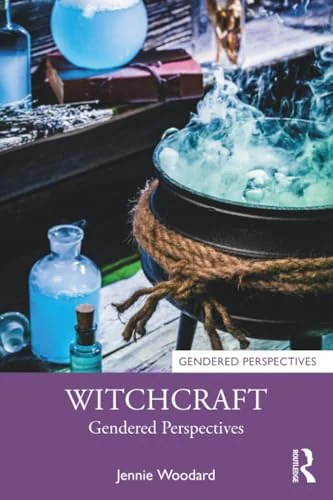
✍️ More books by this author Woodard, Jennie
All books by this author →🏛 Books from this publisher Routledge
All books from this publisher →

 89
89

You might also like
See more →
 91
91
 90
90
 90
90
 90
90