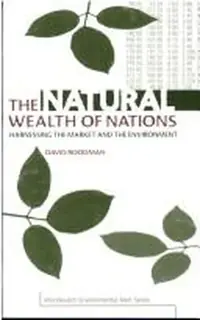
The Natural Wealth of Nations: Harnessing the Market and the Environment Roodman, David
Stock reported in the catalog; fulfillment is confirmed with your request.
Green taxes transform ecological ruin into economic prosperity through clever market mechanics.
This volume challenges the conventional wisdom that environmental protection stifles growth, arguing instead that strategic fiscal policy can heal the planet while strengthening the economy. Roodman details how redirecting the massive subsidies currently propping up polluting industries toward labor and capital investment creates a win-win scenario. By taxing negative externalities like carbon emissions and reducing burdens on employment, nations can simultaneously reduce ecological damage and stimulate industrial vitality. The text serves as a practical manual for policymakers seeking to align financial incentives with ecological sustainability, offering a roadmap for a greener, more prosperous future.
This work emerges from the late twentieth-century discourse on sustainable development, bridging the gap between ecological activism and mainstream economic theory. It reflects a period where environmental concerns began to be integrated into fiscal policy debates rather than remaining solely in activist circles.


📝 Description: The Natural Wealth of Nations: Harnessing the Market and the Environment Roodman, David
💎 Expert review
📖 Why choose it
Why this book is worth reading
Policymakers, economists, and environmentally conscious citizens will find this text invaluable for its pragmatic approach to solving the climate crisis without sacrificing economic stability. It offers a compelling roadmap for those tired of abstract environmentalism, providing concrete mechanisms like green taxes and subsidy shifts that align profit with planetary health. Readers seeking actionable strategies to reconcile industrial vitality with ecological sustainability will appreciate the clear argument that fiscal incentives can drive positive change. It empowers stakeholders to view environmental protection not as a burden, but as an opportunity for economic renewal and prosperity.
⭐ Reader reviews
Reader rating
This exceeded my expectations. It connects ideas I'd only seen treated separately elsewhere. Delivery took a bit longer than quoted.
Roodman presents a robust case for market-based environmental solutions, yet this text is decidedly not for those seeking spiritual or mystical engagement with nature. It lacks the poetic resonance of deep ecology and offers no esoteric insights into the metaphysical connection between humanity and the earth. Economists might find the arguments somewhat conventional, while activists may view the reliance on market mechanics as insufficiently radical. This book serves best for technocrats and policy analysts who prefer data-driven strategies over ideological purity or spiritual awakening in their approach to sustainability.
❓ Frequently asked questions
📖 Who should read this
Policymakers, environmental economists, and pragmatic activists who believe that market mechanisms, rather than mere regulation, offer the most efficient path to environmental restoration and economic resilience.
🎯 Key themes and symbolism
Ecological Economics
Fiscal Reform
Market-Based Sustainability
💬 Quotes from the book
“Cutting wasteful subsidies can actually boost the economy, save tax and help the environment.”
“Pollution is discouraged and both work and investment boosted.”
📜 Historical context
📚 Glossary
- Negative Externalities
- Fiscal Shifting
- Green Subsidies
📔 Questions to reflect on
- Where do you see hidden subsidies in your local community that might be better used elsewhere?
- How might your daily habits change if the true cost of pollution was included in every price tag?
- What economic activity in your life feels like a 'negative externality' that society currently ignores?
🏛 Books from this publisher Routledge
All books from this publisher →



 89
89


You might also like
See more →
 91
91
 91
91