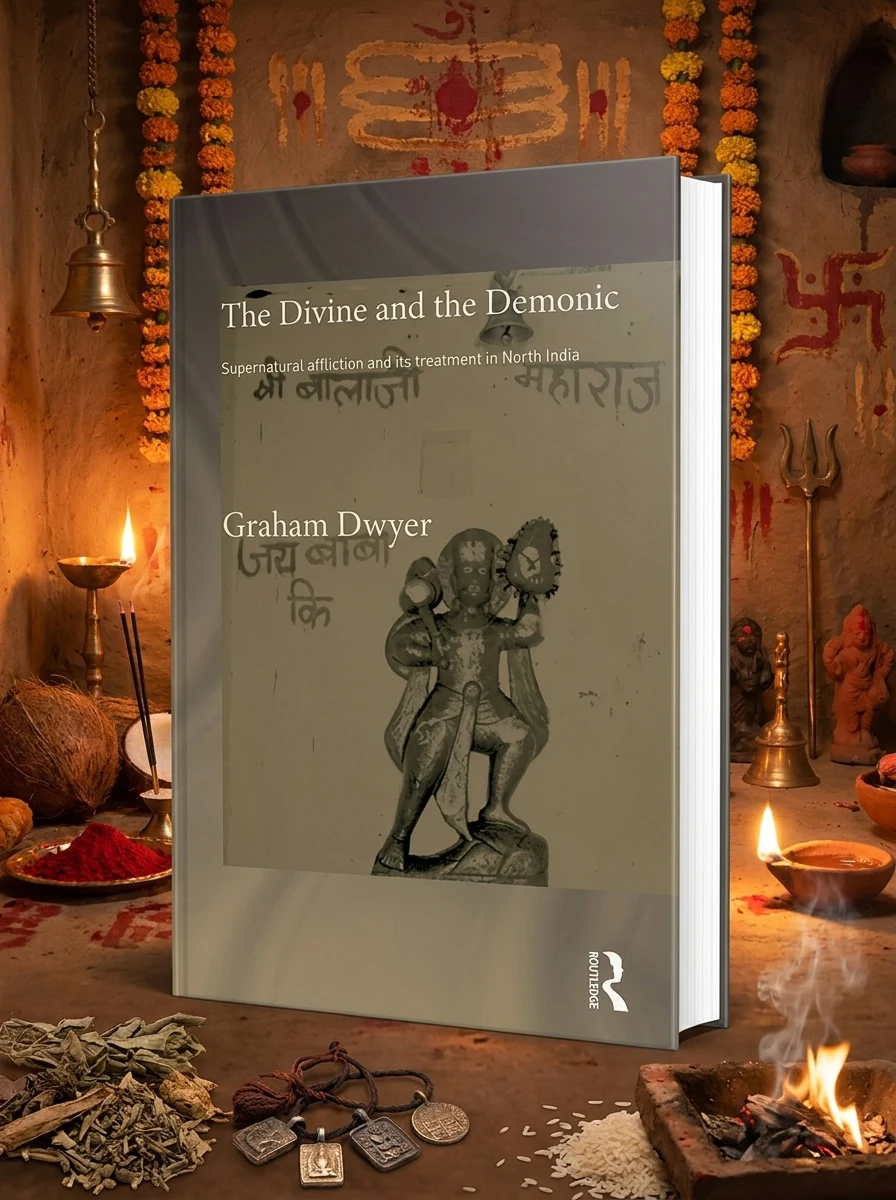
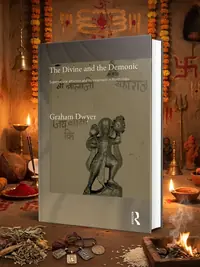
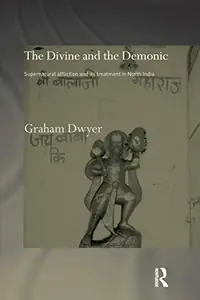
The Divine and the Demonic: Supernatural Affliction and Its Treatment in North India Dwyer Graham
Stock reported in the catalog; fulfillment is confirmed with your request.
Uncover the chilling reality of demonic possession and mystic curses in rural North India.
Embark on a profound journey into North India's Rajasthan, where inexplicable maladies are attributed to malevolent spirits, ancient curses, and dark sorcery. This ethnographic study delves into the chilling world of spirit possession, witchcraft, and the potent evil eye, illuminating the intricate healing rituals, traditional priests, and popular Hindu practices employed to combat these mystical afflictions. Moving beyond conventional Western medical or psychological frameworks, the author offers a unique phenomenological perspective, revealing the profound cultural logic behind these supernatural experiences and their indigenous treatments.
This ethnographic study situates itself within the realm of contemporary anthropological and phenomenological research into Hindu practices in rural North India. It bridges the gap between Western academic frameworks and indigenous understandings of supernatural affliction.


📝 Description: The Divine and the Demonic: Supernatural Affliction and Its Treatment in North India Dwyer Graham
💎 Expert review
📖 Why choose it
Why this book is worth reading
Readers fascinated by the intersection of anthropology, religion, and the supernatural will find this book indispensable. It offers a rare, non-judgmental window into the lived reality of rural Rajasthan, where spiritual forces are as tangible as physical ailments. Those interested in comparative religion or the cultural logic behind healing rituals will gain profound insight into how communities interpret and treat mystical afflictions. It challenges Western biases by presenting these experiences through a phenomenological lens, validating local epistemologies. If you seek to understand the intricate web of spirit possession, witchcraft, and the evil eye without reducing them to mere pathology, this text provides the necessary depth and respect for indigenous traditions.
⭐ Reader reviews
Reader rating
Graham’s work is a rigorous ethnographic exploration that demands patience from readers expecting light entertainment. It is not suited for those seeking quick fixes or simplified psychological explanations for spiritual phenomena. While valuable for scholars of Hinduism and medical anthropology, general readers looking for sensationalist tales of demonic possession may find the academic tone dry. The book excels in its nuanced analysis of traditional priests and healing rituals but requires a willingness to engage with complex cultural logic. It is essential for serious study but likely too dense for casual curiosity about the occult.
❓ Frequently asked questions
📖 Who should read this
If you're drawn to the anthropology of belief, the intricate world of ethnomedicine, or the raw power of spiritual healing, this book is for you. It offers a vital counter-narrative to Western medical models, inviting you to explore the profound cultural logic of supernatural experiences.
🎯 Key themes and symbolism
Demonic and Mystic Maladies
This work meticulously details how communities in Rajasthan perceive illnesses and misfortunes not as mere physical ailments, but as direct consequences of malevolent entities like ghosts and demons, or the dark arts of sorcerers and witches. It explores the cultural narratives surrounding spirit possession and the pervasive threat of the evil eye.
Rituals of Exorcism and Curing
The book offers a fascinating look into the elaborate healing ceremonies and exorcisms performed by Hindu priests and traditional curers. It highlights how popular Hindu traditions and pilgrimage sites become central to seeking relief and spiritual intervention against supernatural attacks, showcasing a rich tapestry of faith-based remedies.
Beyond Western Rationalism
Rejecting dominant psychological or psychiatric interpretations, this study adopts a phenomenological lens. It seeks to understand supernatural experiences from the perspective of those who live them, offering a radical departure from Western rationalist frameworks. This approach provides profound insights into the lived reality of affliction and healing in North Indian culture.
💬 Quotes from the book
“For those enduring its grip, the malevolent spirit is not a metaphor, but a visceral, intrusive presence demanding immediate, sacred intervention.”
“Within the dusty villages of Rajasthan, the line between medical remedy and spiritual rite blurs, revealing a holistic cosmology of suffering and salvation.”
📜 Historical context
📚 Glossary
- Supernatural Affliction
- Ethnomedicine
- Phenomenological Approach
📔 Questions to reflect on
- How do Western medical paradigms limit our understanding of non-Western experiences of illness and healing?
- Consider a time when you or someone you know attributed an unexplained event to a 'supernatural' cause. How did this perspective shape the response?
- In what ways might a phenomenological approach to spiritual phenomena enrich occult studies beyond purely historical or theoretical analysis?
📖 From the series “Routledge Studies in Asian Religion”
All books in the series →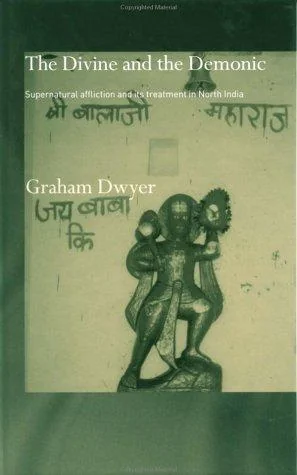
🏛 Books from this publisher Routledge
All books from this publisher →
 89
89

You might also like
See more →
 91
91
 91
91