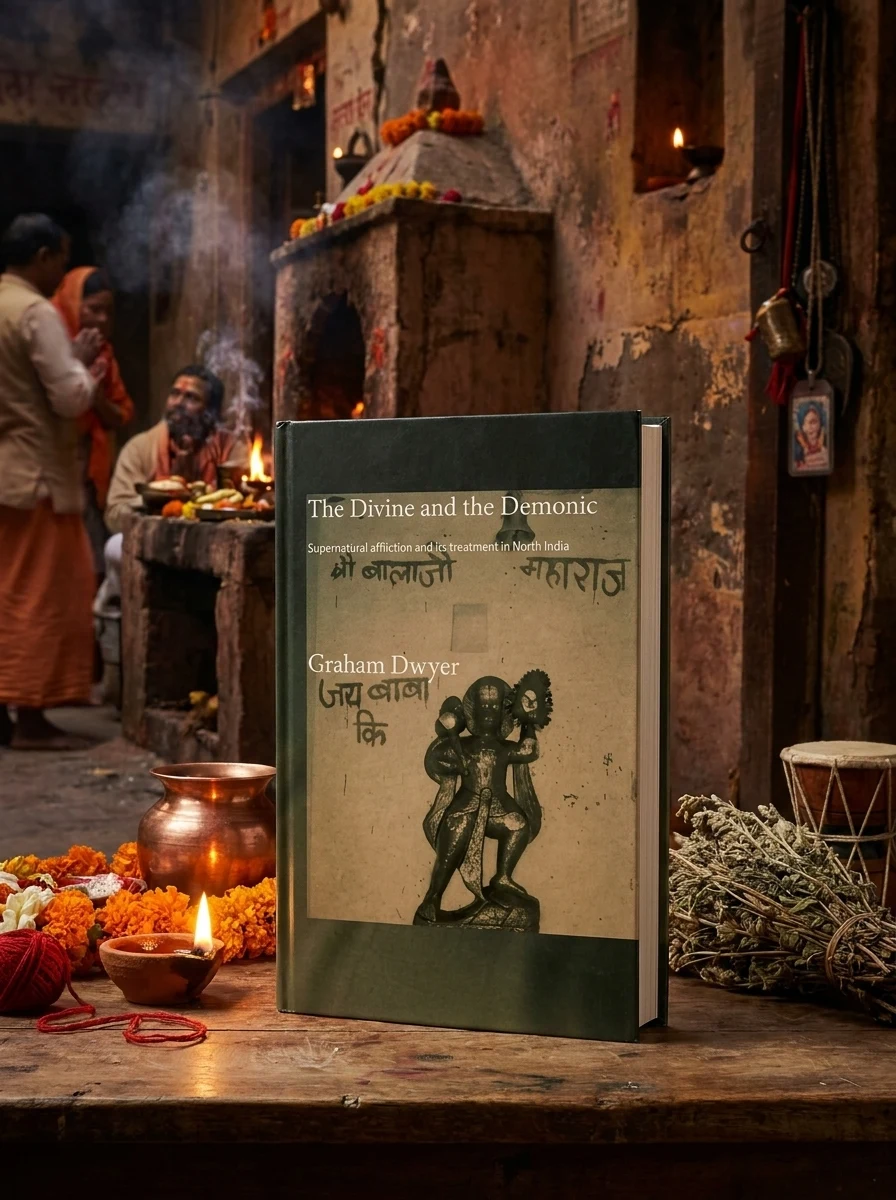
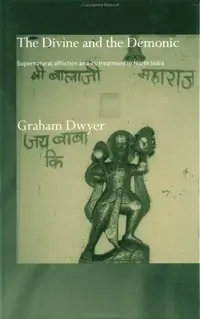
The Divine and the Demonic: Supernatural Affliction and its Treatment in North India Dwyer, Graham
 81
81
 Editorial score
How we rate
Editorial score
How we rate
Stock reported in the catalog; fulfillment is confirmed with your request.
Uncover the hidden world of spirits and healing in rural North India, seen through a revolutionary lens.
Graham Dwyer's groundbreaking study plunges into the vibrant spiritual landscape of North India's Rajasthan, revealing how communities understand and combat afflictions attributed to malevolent spirits, sorcerers, and the dreaded evil eye. This work goes beyond mere description, offering deep insights into the intricate healing rituals, the pivotal roles of Hindu priests, and the interwoven threads of popular religion and pilgrimage. Crucially, Dwyer employs a phenomenological perspective, challenging conventional Western psychological or rationalist interpretations of spirit possession and supernatural malaise, thereby providing a refreshing and nuanced understanding of indigenous healing traditions.
This work sits at the intersection of anthropological study and esoteric practice, examining the specific spiritual ecology of rural North India's Rajasthan region. It bridges the gap between academic phenomenology and the lived reality of indigenous healing traditions.


📝 Description: The Divine and the Demonic: Supernatural Affliction and its Treatment in North India Dwyer, Graham
💎 Expert review
📖 Why choose it
Why this book is worth reading
Readers deeply interested in the phenomenological understanding of spirit possession and the complex tapestry of North Indian popular religion will find this text invaluable. It offers a refreshing alternative to Western rationalist interpretations, allowing you to witness how communities actively combat afflictions from malevolent spirits and the evil eye through intricate rituals. If you seek to understand the pivotal roles of Hindu priests and pilgrimage in healing, this book provides a nuanced, respectful lens into a world often misunderstood by outsiders.
⭐ Reader reviews
Reader rating
Dwyer delivers a rigorous academic examination that may alienate casual readers seeking simple mysticism or practical spell-casting guides. The text is dense with ethnographic detail and theoretical framing, requiring patience for those unaccustomed to scholarly analysis of rural Indian spirituality. It does not suit those looking for quick fixes or Western psychological frameworks applied superficially. However, for serious students of esoteric traditions and cultural anthropology, it stands as a vital resource for grasping the authentic mechanics of supernatural affliction and its indigenous treatment.
❓ Frequently asked questions
📖 Who should read this
If you're fascinated by the intersection of religion, healing, and culture, particularly in South Asia, this book is essential. It's for anyone seeking to move beyond conventional Western views of spiritual affliction, offering a deeply empathetic and scholarly exploration of indigenous belief systems and their profound impact.
🎯 Key themes and symbolism
Understanding Spirit Malignancy
This book meticulously explores the diverse forms of supernatural affliction prevalent in North India, from malevolent spirits and ancestral ghosts to the insidious influence of sorcery and the evil eye. It delves into how these phenomena are perceived, understood, and integrated into the daily lives and spiritual frameworks of local communities, offering a rich tapestry of indigenous belief systems.
Indigenous Healing Practices
Dwyer provides an intimate look at the ritualistic responses to spirit possession and other supernatural ailments. The text describes various healing ceremonies, including potent exorcism rites, and examines the crucial functions performed by Hindu priests and local curers. It highlights the community-based and culturally specific methods employed to restore spiritual and physical well-being.
A Phenomenological Lens
A cornerstone of this research is its deliberate departure from dominant Western psychological, psychiatric, or purely rationalist frameworks. By adopting a phenomenological approach, the author emphasizes the lived experience and cultural meaning of supernatural events, offering a profound critique of reductionist interpretations and advocating for a more culturally sensitive understanding of spiritual phenomena.
💬 Quotes from the book
“To truly grasp the terror and solace inherent in spirit possession, one must first set aside the clinical gaze and listen to the whisper of the afflicted, to the narratives woven by their community.”
“The curer's chant, the rhythmic beat, and the offerings laid before the deity are not mere superstition, but a meticulously constructed grammar of healing, deeply embedded in Rajasthan's spiritual landscape.”
📜 Historical context
📚 Glossary
- Phenomenological Approach
- Ethnomedicine
- Spirit Possession
📔 Questions to reflect on
- How might understanding cultural perspectives on supernatural affliction challenge or broaden your own views on mental health or illness?
- Consider a situation where a 'rational' explanation might fail to capture the full truth or impact of an experience. How does Dwyer's approach address this gap?
- In what ways do modern Western societies, despite their scientific advancements, still grapple with beliefs or practices that might be considered "supernatural" or beyond conventional understanding?
📖 From the series “Routledge Studies in Asian Religion”
All books in the series →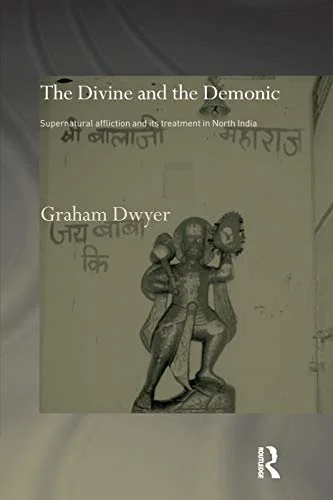
🏛 Books from this publisher Routledge
All books from this publisher →


 89
89


You might also like
See more →
 91
91
 91
91
 90
90