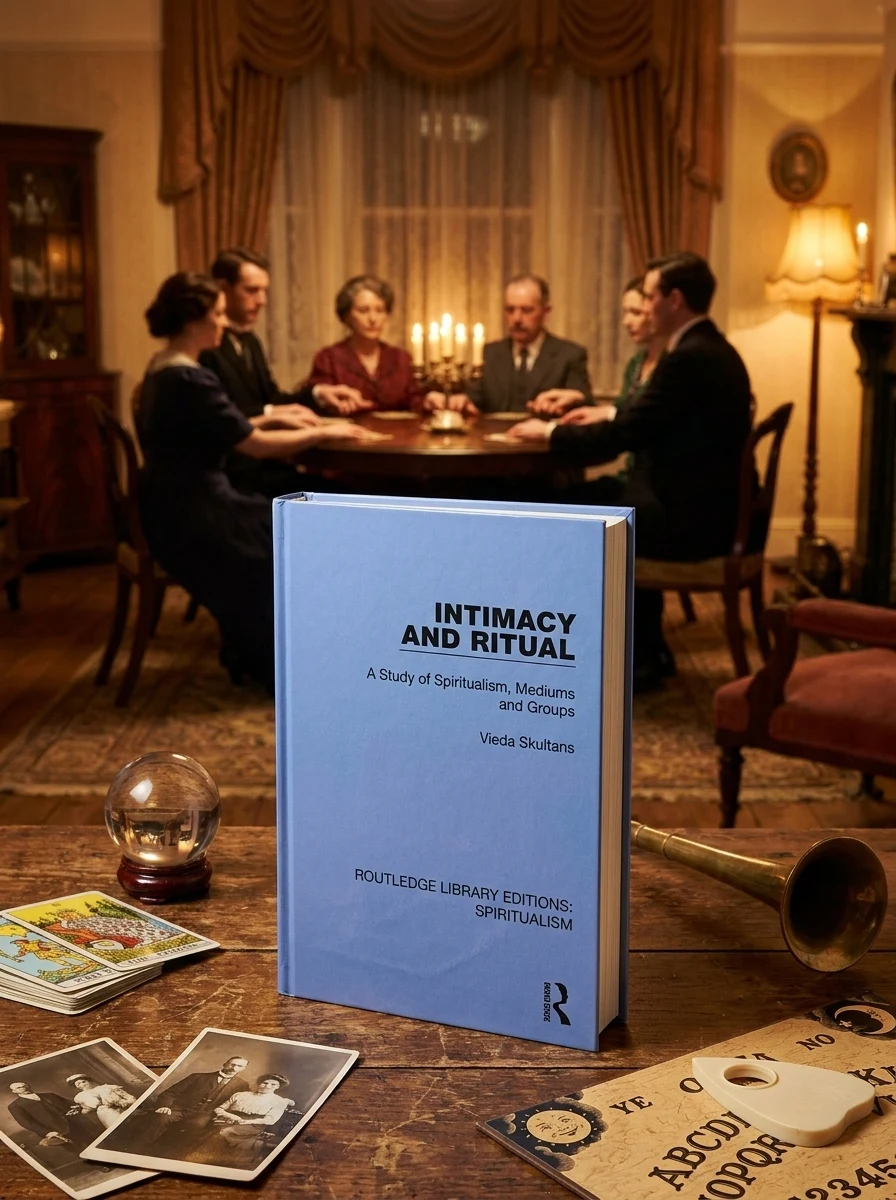
Intimacy and Ritual: A Study of Spiritualism, Medium and Groups Skultans, Vieda
Skultans, Vieda 82
82
 Editorial score
How we rate
Editorial score
How we rate
Stock reported in the catalog; fulfillment is confirmed with your request.
Uncover how Spiritualism provides profound healing and social solace in a changing world.
Vieda Skultans' seminal 1974 work offers an empathetic exploration into the spiritualist movement in a South Wales community. Through dedicated participant observation and intimate interviews, Skultans reveals how spiritualism functions as a vital therapeutic resource and a robust problem-solving framework for its adherents. The study meticulously details spiritualist practices, beliefs about the spirit realm, and critically examines how it interprets illness and misfortune, often linking physical ailments to deeper social disquiet. This book ultimately portrays spiritualism not merely as a belief system, but as a powerful coping mechanism offering significant rewards to its members.
This seminal anthropological study anchors itself within the mid-20th-century academic exploration of spiritualism and religious sociology. It bridges the gap between clinical psychology and esoteric practice by examining how supernatural beliefs function as tangible social and therapeutic resources in post-war communities.


📝 Description: Intimacy and Ritual: A Study of Spiritualism, Medium and Groups Skultans, Vieda
💎 Expert review
📖 Why choose it
Why this book is worth reading
Readers seeking to understand the sociological underpinnings of spiritualism will find this text indispensable. It is particularly valuable for those interested in how marginalized communities construct meaning amidst social change. The book offers a compassionate lens through which to view mediumship not as mere superstition, but as a sophisticated coping mechanism. Individuals studying the intersection of physical health and social disquiet will gain profound insights into how spiritual frameworks provide solace. It serves as a crucial resource for historians of religion and psychologists alike, revealing the human need for connection and explanation in uncertain times.
⭐ Reader reviews
Reader rating
Skultans’ work is a rigorous academic examination that may feel dense to casual readers seeking mystical secrets or practical ritual guides. It lacks the narrative flair of popular occult literature, focusing instead on structural analysis and interview data. Those looking for immediate spiritual guidance or dramatic supernatural accounts will likely find it dry and overly clinical. However, for scholars and serious students of esoteric sociology, it remains an essential primary source. The text demands patience but rewards with a deep, empathetic understanding of why spiritualism persists as a vital social institution in modern Wales.
❓ Frequently asked questions
📖 Who should read this
If you're drawn to the anthropology of religion, the sociology of healing, or the historical role of alternative spiritual practices, this book offers profound insights. It's essential reading for anyone interested in how belief systems function as coping mechanisms and sources of meaning in everyday life.
🎯 Key themes and symbolism
Therapeutic Power of Spiritualism
Skultans delves into how spiritualist activities, particularly mediumship and group gatherings, provide a unique form of therapy. She illustrates how these practices offer emotional release, comfort, and a sense of understanding for individuals grappling with personal struggles, positioning spiritualism as a significant source of psychological and spiritual healing for its practitioners.
Beyond Conventional Support
The book highlights spiritualism's role as a preferred alternative to formal care-giving institutions like hospitals and social work agencies. Skultans argues that for many, spiritualism offers more accessible and effective problem-solving strategies, providing a community and belief system that addresses needs unmet by mainstream services, particularly in times of crisis.
Illness and Symbolic Meaning
A key insight is how spiritualism reinterprets illness and misfortune. Skultans demonstrates that spirit possession is often understood as a manifestation of underlying illness, frequently linked to social or psychological distress. Spiritualist messages provide symbolic explanations and frameworks for understanding these afflictions, offering a path to healing through ritual and belief.
💬 Quotes from the book
“Within the séance room, the perceived communication with the deceased often manifests as a powerful catharsis, offering participants not merely comfort but a profound sense of psychological release and validation.”
“The enduring appeal of spiritualist groups, particularly in the face of personal adversity, underscores a societal need for meaning-making and support structures that conventional institutions frequently fail to provide.”
📜 Historical context
📚 Glossary
- Spiritualism
- Medium
- Participant Observation
📔 Questions to reflect on
- Consider a time in your life when formal institutions failed to provide adequate support. How might an alternative system, like the spiritualism described, have offered different coping mechanisms?
- Skultans links spirit possession to illness and social malaise. Reflect on how your own cultural background interprets illness. Are there symbolic meanings attributed to sickness beyond purely biological explanations?
- The book emphasizes the rewards and coping techniques offered by spiritualism. What are some of the 'rewards' or forms of comfort that you seek from your own belief systems or communities when facing hardship?
📖 From the series “Routledge Library Editions: Spiritualism”
All books in the series →
✍️ More books by this author Skultans, Vieda
All books by this author →🏛 Books from this publisher Routledge
All books from this publisher →
 89
89

You might also like
See more →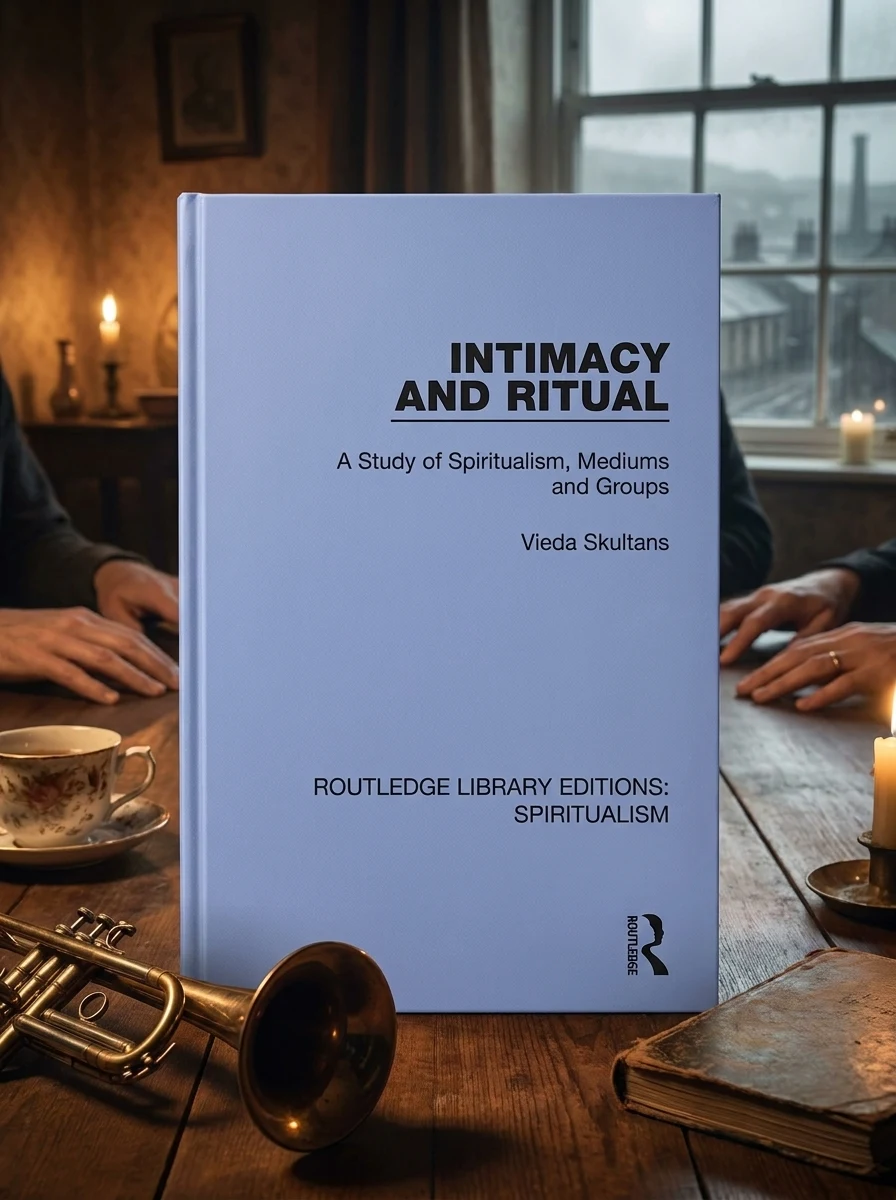
 91
91
 91
91
 90
90