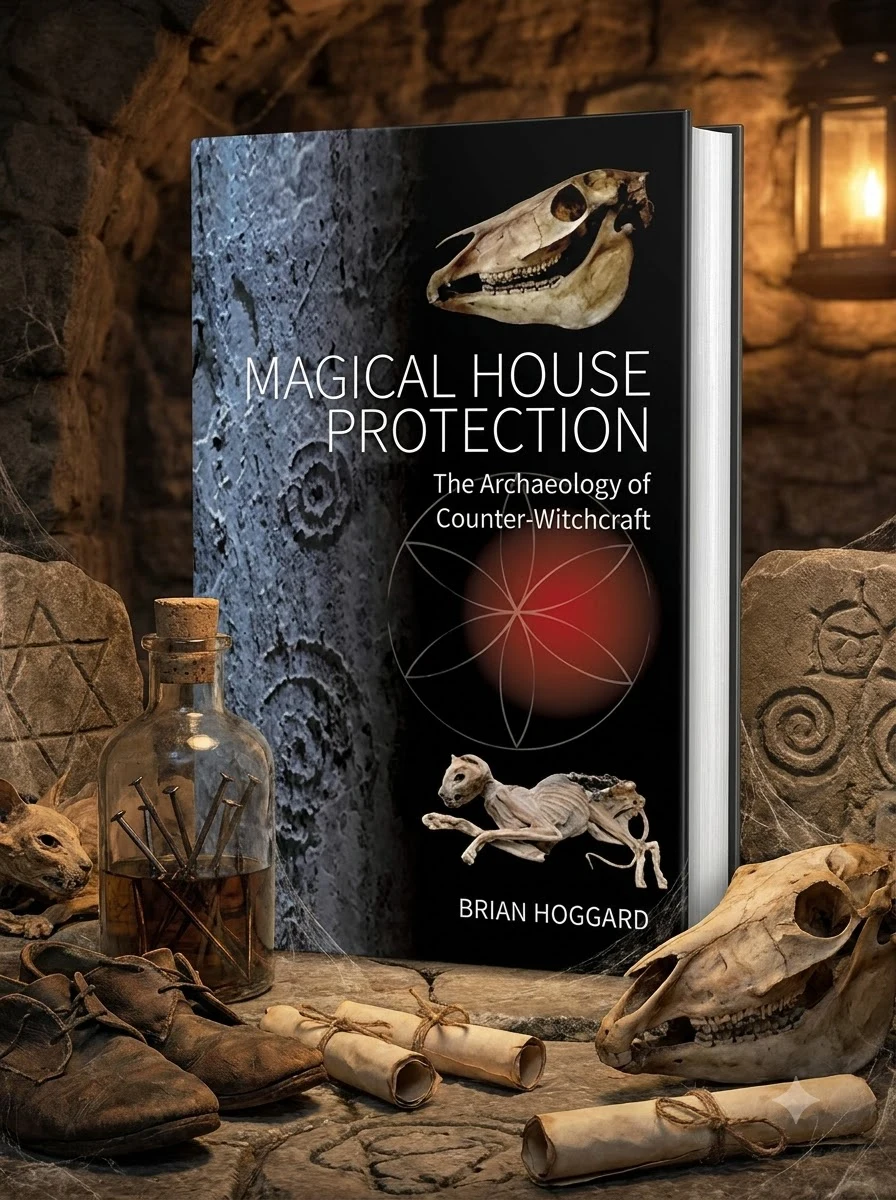
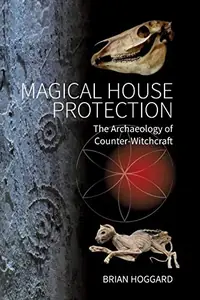
Magical House Protection: The Archaeology of Counter-Witchcraft
Hoggard, BrianStock reported in the catalog; fulfillment is confirmed with your request.
Unearth the hidden magic safeguarding homes for centuries.
For centuries, societies held a profound belief in the pervasive power of magic and the ever-present threat of witchcraft. Brian Hoggard’s comprehensive study excavates the archaeological evidence of counter-magical practices. Delving into the historical record from the 14th century to today, this work meticulously details the various objects and symbols people concealed within their homes to ward off malevolent energies. From witch-bottles to hidden shoes, Hoggard reveals a global human impulse to protect hearth and home from unseen forces, offering a captivating look at a universal, enduring cultural phenomenon.
This work situates itself within the historical archaeology of folk magic, exploring the tangible evidence of counter-witchcraft practices that have safeguarded domestic spaces across centuries.


📝 Description: Magical House Protection: The Archaeology of Counter-Witchcraft
💎 Expert review
📖 Why choose it
Why this book is worth reading
Readers with a deep fascination for the intersection of material culture and spiritual belief will find this volume indispensable. It appeals to those who seek to understand the universal human impulse to protect their hearth from unseen malevolent forces through physical means. Historians, archaeologists, and students of esoteric traditions will gain a comprehensive understanding of how societies from the fourteenth century onward utilized specific objects and symbols as defensive mechanisms. This book is for anyone curious about the tangible history of witchcraft fears and the ingenious methods people employed to ward off evil in their daily lives.
⭐ Reader reviews
Reader rating
Hoggard provides a rigorous excavation of counter-magical artifacts, offering valuable insights into domestic protection rituals. However, this text is strictly academic and archaeological; it does not suit readers seeking practical spells or contemporary Wiccan guidance. Those looking for easy, accessible folklore anecdotes may find the historical depth dense and dry. It is best suited for scholars and serious enthusiasts who appreciate detailed historical analysis over mystical instruction. Readers expecting a light-hearted exploration of magic will likely be disappointed by the scholarly tone and focus on physical evidence rather than experiential practice.
❓ Frequently asked questions
📖 Who should read this
If you're fascinated by the intersection of folklore, archaeology, and practical magic, this book is for you. It offers a unique lens through which to understand ancestral anxieties and the protective measures people instinctively employed against unseen threats, illuminating a hidden history of our homes.
🎯 Key themes and symbolism
Enduring Protective Rites
This book meticulously chronicles the widespread adoption of specific objects and symbols—like concealed shoes, dried cats, and witch-bottles—used across Britain and beyond. It highlights how these tangible items served as critical, often hidden, bulwarks against perceived magical threats, demonstrating a deep-seated human need for security.
Archaeology of Belief
Hoggard's work treats these protective measures not just as folklore but as archaeological artifacts. By examining their discovery and context, the book reconstructs the popular mind's perception of witchcraft, showing how deeply these beliefs were embedded in the physical fabric of daily life and domestic spaces.
Universal Human Impulse
The study transcends geographical boundaries, revealing that the practices of counter-witchcraft, though varied in form, share a common purpose across cultures. It underscores the universal human desire to repel, divert, or trap negative energies, demonstrating a shared ancestral response to perceived magical dangers.
💬 Quotes from the book
“The simple act of concealing a worn shoe within a wall speaks volumes about the pervasive fear of unseen forces and the profound belief in everyday objects as potent defenders.”
“Far from being mere superstition, the archaeological record demonstrates a deliberate, often communal, effort to physically manifest security against a perceived magical threat.”
📜 Historical context
📚 Glossary
- Witch-bottle
- Counter-witchcraft
- Apotropaic
📔 Questions to reflect on
- What hidden items or symbols in your own home or community might be rooted in protective or superstitious traditions, even if unknowingly?
- How does the universal impulse to protect oneself from unseen threats manifest in contemporary society, even without overt 'witchcraft' beliefs?
- If you were to create a modern 'witch-bottle' for your home, what objects and intentions would you include, and why?
✍️ More books by this author Hoggard, Brian
All books by this author →
🏛 Books from this publisher Berghahn Books
All books from this publisher →





You might also like
See more →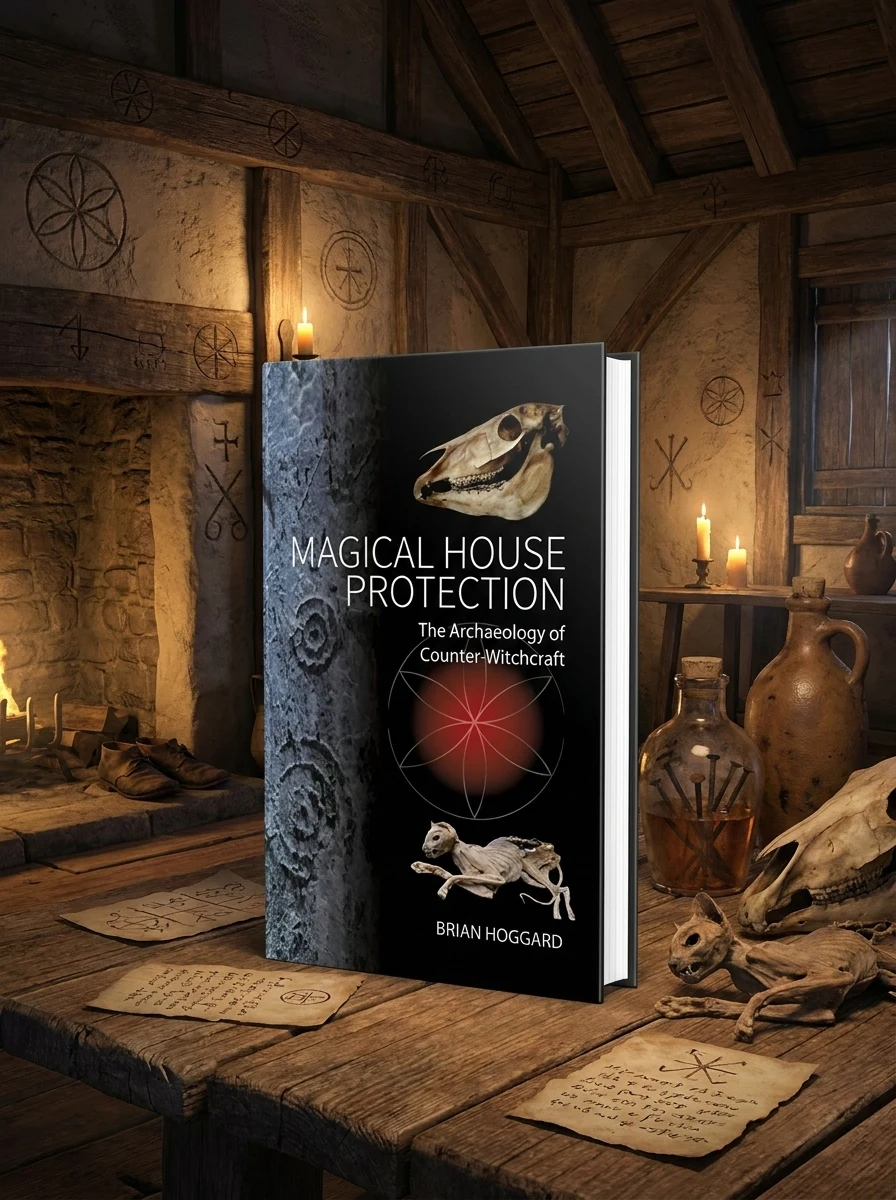

 81
81