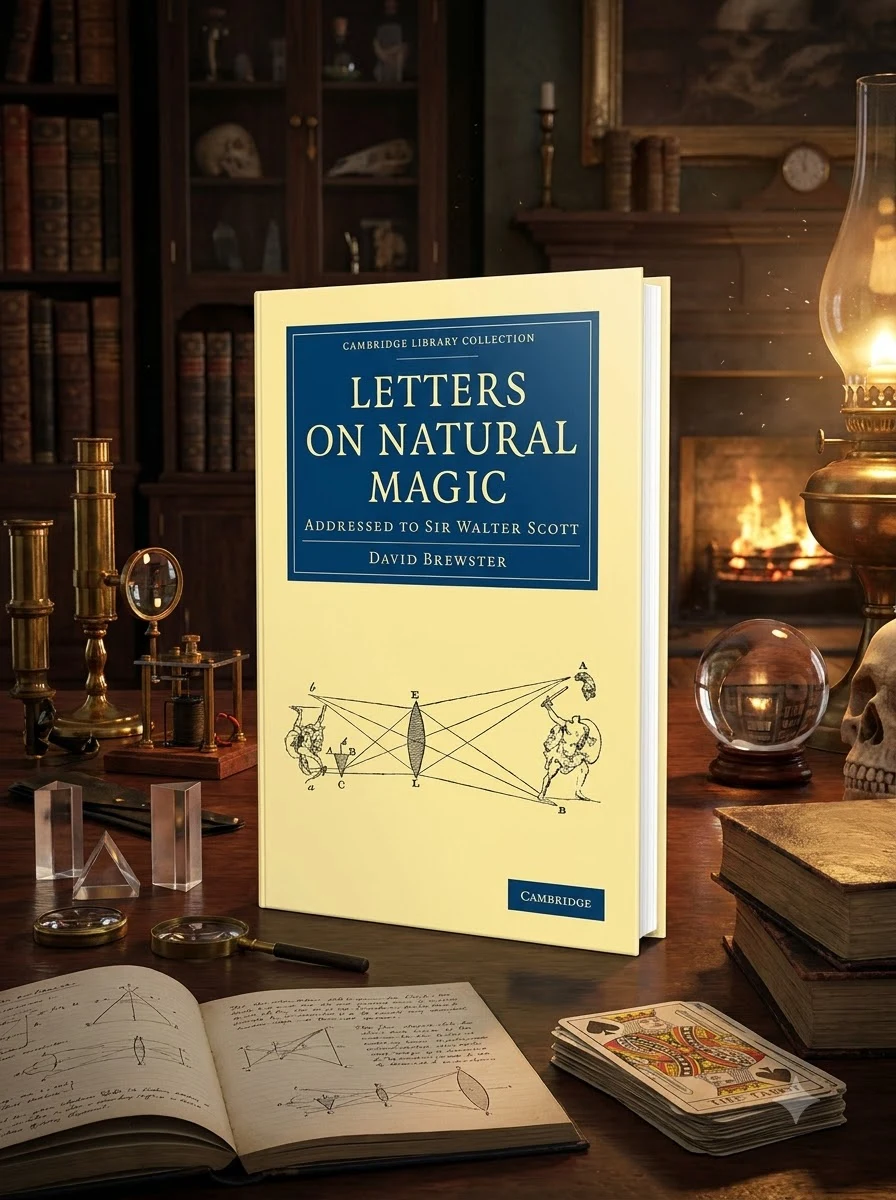
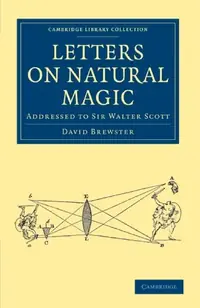
Letters on Natural Magic, Addressed to Sir Walter Scott Brewster, David
Stock reported in the catalog; fulfillment is confirmed with your request.
Unmasking the supernatural: a scientific journey into the illusions of 'magic'.
Step back into the 19th century with David Brewster's compelling exploration into the mechanics behind alleged 'supernatural' phenomena. Penned as a rational counterpoint to Sir Walter Scott's earlier work on demonology, this volume meticulously dissects the clever scientific principles and artful trickery employed by conjurors and spiritualists of the era. Brewster, a renowned Scottish natural philosopher, illuminates how seemingly inexplicable events can be attributed to natural laws, offering a fascinating glimpse into the nascent field of scientific skepticism and the ongoing dialogue between belief and empirical understanding.
This work emerges from the 19th-century tradition of scientific skepticism, serving as a rational counterpoint to earlier romanticized views of the supernatural. It reflects the era's intense dialogue between emerging empirical understanding and lingering beliefs in demonology or magic.


📝 Description: Letters on Natural Magic, Addressed to Sir Walter Scott Brewster, David
💎 Expert review
📖 Why choose it
Why this book is worth reading
Readers fascinated by the historical intersection of science and mysticism will find this volume particularly rewarding. David Brewster, a renowned Scottish natural philosopher, offers a compelling dissection of conjurors' tricks and spiritualist illusions through the lens of natural law. Those who enjoy understanding how empirical principles demystify seemingly supernatural events will appreciate this meticulous exploration. It is ideal for skeptics and history buffs alike who wish to see how rational inquiry challenged prevailing beliefs in the 19th century, providing a fascinating glimpse into the nascent field of scientific skepticism without resorting to dry academic prose.
⭐ Reader reviews
Reader rating
Brewster’s text stands as a robust defense of empirical reasoning against the allure of the unexplained. While it successfully illuminates the mechanical principles behind alleged magic, it demands patience from readers seeking literary flair over rigorous analysis. Those expecting poetic descriptions of mystical experiences or theological debates will likely find this work dry and overly technical. It is strictly for those interested in the mechanics of deception and the historical development of scientific thought. Casual readers looking for ghost stories should look elsewhere, as this volume focuses entirely on debunking rather than entertaining the supernatural.
❓ Frequently asked questions
📖 Who should read this
If you're fascinated by the history of scientific skepticism, the mechanics of illusion, or the rational debunking of paranormal claims, this essential 19th-century text is for your library. Discover how science began to unravel mysteries once attributed to the unseen world.
🎯 Key themes and symbolism
Scientific Rationalism
Brewster champions the power of scientific inquiry, demonstrating how seemingly magical feats, from apparitions to levitation, are in fact clever applications of physics, optics, and mechanics. He meticulously breaks down the principles behind illusions, urging readers to seek natural explanations over supernatural ones, laying groundwork for modern scientific skepticism.
Demystifying the Occult
This work serves as a foundational text in exposing the methods of those who claimed contact with spirits or possessed arcane powers. Brewster's aim is not to diminish wonder, but to redirect it towards the ingenuity of human artifice and the elegant laws of nature, rather than attributing them to the supernatural realm.
The Art of Illusion
Beyond mere debunking, Brewster delves into the historical and practical aspects of various illusions. He offers insights into the techniques employed by performers and spiritualists, revealing the sophistication of their craft and the psychological elements that make such deceptions so compelling to audiences of all ages.
💬 Quotes from the book
“The marvels attributed to spirits are often but ingenious applications of known physical laws, misinterpreted by the uninitiated.”
“True wonder lies not in the supernatural, but in the elegant mechanisms by which nature itself operates, often mimicking the impossible.”
📜 Historical context
📚 Glossary
- Natural Magic
- Conjurors
- Spiritualists
📔 Questions to reflect on
- How do societal beliefs shape our perception of reality, even in the face of scientific explanation? Reflect on a modern-day 'mystery' that might be explained by natural principles.
- Consider the ethical implications of using scientific knowledge to create illusions. Where do we draw the line between entertainment, deception, and education?
- Brewster challenged the supernatural explanations of his time. What contemporary beliefs, if any, do you think would benefit from a similar rational, scientific inquiry?
📖 From the series “Cambridge Library Collection - Spiritualism and Esoteric Kno”
All books in the series →


🏛 Books from this publisher Cambridge University Press
All books from this publisher →


 75
75

You might also like
See more →