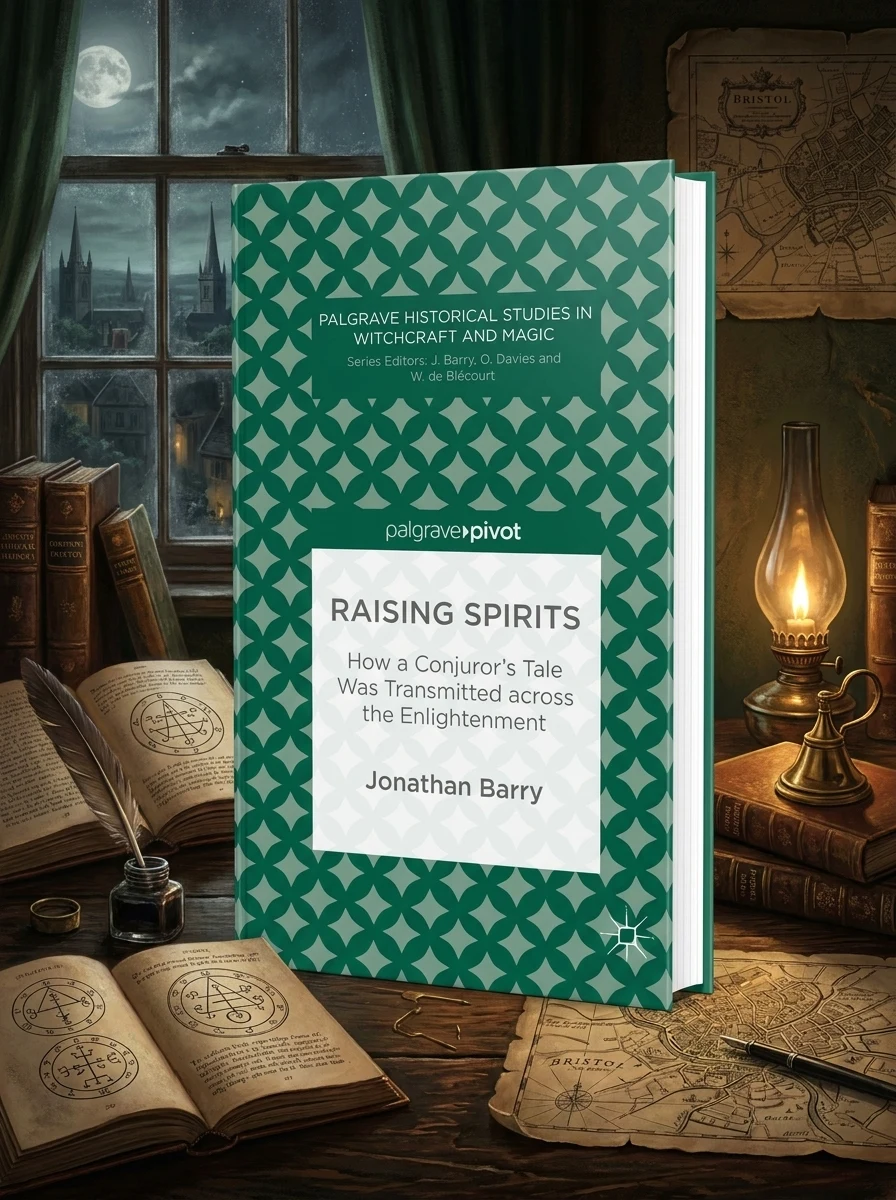
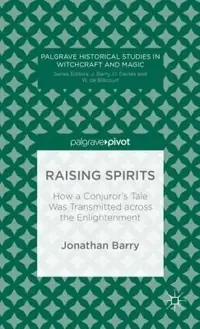
Raising Spirits: How a Conjuror's Tale Was Transmitted Across the Enlightenment (2013) Barry, J
Barry, J

Stock reported in the catalog; fulfillment is confirmed with your request.
Even in the Age of Reason, spectral tales danced across the printed page, defying skepticism.
This compelling historical study delves into the intriguing paradox of the Enlightenment era, an age dedicated to reason, yet rife with circulating tales of the supernatural. It meticulously traces the fascinating journey of a singular conjuration narrative—that of a young Bristol gunsmith allegedly summoning spirits—as it was transmitted and transformed throughout the 18th and 19th centuries. The work offers a unique window into how spiritual beliefs persisted and evolved within an increasingly rationalized society, highlighting humanity's enduring engagement with the unseen world.
This work explores the paradoxical intersection of Enlightenment rationality and persistent supernatural beliefs, tracing how spectral narratives resisted the era's dominant skepticism. It situates itself within the study of esoteric history, highlighting the endurance of spiritual engagement amidst increasing societal rationalization.


📝 Description: Raising Spirits: How a Conjuror's Tale Was Transmitted Across the Enlightenment (2013) Barry, J
💎 Expert review
📖 Why choose it
Why this book is worth reading
Readers fascinated by the complex relationship between reason and faith during the Enlightenment will find this study deeply rewarding. It offers a unique window into how spiritual beliefs persisted and evolved within an increasingly rationalized society, highlighting humanity's enduring engagement with the unseen world. Those interested in the transmission of folklore and the specific case of the Bristol gunsmith’s conjuration tale will appreciate the meticulous tracing of its transformation across centuries. This book is ideal for scholars and enthusiasts who wish to understand how spectral tales defied skepticism and danced across printed pages, providing insight into the human psyche's persistent allure toward the mysterious and supernatural.
⭐ Reader reviews
Reader rating
Barry provides a compelling historical study of a singular conjuration narrative transmitted through the 18th and 19th centuries. While intellectually rigorous and fascinating for those interested in the persistence of spiritual beliefs during the Age of Reason, this text may not suit readers seeking straightforward ghost stories or practical occult instruction. It is a scholarly examination rather than an entertaining anecdote collection. Those expecting sensationalist accounts of hauntings might find the focus on historical transmission and societal rationalization too dry. However, for those willing to engage with the paradox of an era dedicated to reason yet rife with supernatural tales, it offers a valuable, if dense, perspective on esoteric history.
❓ Frequently asked questions
📖 Who should read this
If you are fascinated by the cultural history of magic, the sociology of belief, or the enduring power of narrative, this book offers a meticulously researched and engaging exploration. It's a must-read for those who ponder how the supernatural persisted even in an age of burgeoning scientific inquiry.
🎯 Key themes and symbolism
Rationality Meets Lore
Despite the era's intellectual push towards scientific understanding and logic, this book illustrates how stories of spirit conjuring not only survived but thrived. It examines the tension between emerging skepticism and the deep-seated popular belief in the supernatural, showing how these contradictory forces coexisted and shaped cultural narratives.
Narrative Evolution
At its core, the book is a masterful case study in how a specific supernatural tale transformed over time and across different media. It meticulously charts the path of the gunsmith's story, revealing the mechanisms through which oral traditions, printed pamphlets, and scholarly discussions disseminated and reshaped accounts of the uncanny.
Enlightenment Occultism
This work positions the widespread sharing of conjuration tales as a vital, often overlooked, aspect of Enlightenment culture. It challenges the simplistic view of the period as purely rational, exposing the vibrant undercurrents of demonology and popular magic that continued to influence society, even as academic elites championed reason.
💬 Quotes from the book
“The very attempt to rationalize the universe paradoxically illuminated the enduring human fascination with its hidden, uncanny corners, proving belief to be more resilient than reason alone.”
“A simple village rumor, whispered and embellished, could traverse a continent, morphing with each retelling into a testament to either credulity or profound spiritual truth, depending on the listener.”
📜 Historical context
📚 Glossary
- Enlightenment
- Conjuror
- Demonology
📔 Questions to reflect on
- Consider a modern equivalent of a 'supernatural' story that circulates widely despite scientific skepticism. How does its transmission compare to the historical examples in the book?
- How do you think the rise of print media influenced the spread and transformation of occult narratives during the Enlightenment, compared to purely oral traditions?
- Reflect on the tension between societal push for 'reason' and the individual or popular persistence of 'belief' in unseen forces. Where do you see this tension playing out today?
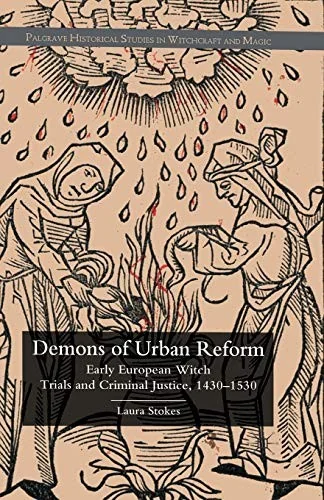
📖 From the series “Palgrave Historical Studies in Witchcraft and Magic”
All books in the series →
✍️ More books by this author Barry, J
All books by this author →
You might also like
See more →