
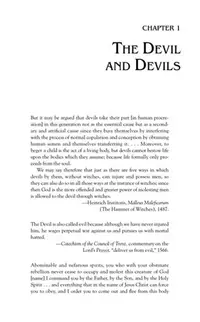
Early Modern Supernatural: The Dark Side of European Culture, 1400-1700 Davidson, Jane P


Stock reported in the catalog; fulfillment is confirmed with your request.
Uncover the terrifying shadow world that haunted early modern Europe’s imagination.
Jane P. Davidson explores the pervasive supernatural beliefs of early modern Europe, revealing how fear of devils, witches, and ghosts shaped cultural identity. Drawing from literature, art, and folklore, she examines why these dark figures were as significant as religious dogma. The text bridges the gap between medieval superstition and emerging scientific rationality, showing how printed works on witchcraft and monsters fueled public anxiety and defined the era's spiritual landscape.
This work sits at the intersection of early modern European cultural history and esoteric studies, examining the period between 1400 and 1700. It contextualizes supernatural beliefs within the broader framework of religious dogma and emerging rationality.


📝 Description: Early Modern Supernatural: The Dark Side of European Culture, 1400-1700 Davidson, Jane P
💎 Expert review
📖 Why choose it
Why this book is worth reading
This book is essential for readers fascinated by the psychological and cultural underpinnings of early modern Europe. It offers a compelling look at how fear of devils, witches, and ghosts was not merely superstition but a core component of spiritual identity. By bridging medieval beliefs with emerging scientific thought, it reveals how printed works fueled public anxiety and defined the era's landscape. Ideal for those interested in the shadow side of culture, this text provides deep insight into why these dark figures held such power alongside religious doctrine.
⭐ Reader reviews
Reader rating
Honestly wasn't sure what to expect, but I'm impressed. Some sections stopped me cold in the best way. Challenging in places, but never needlessly obscure. My only quibble is the cover feels thinner than expected. Solid, if not essential.
As someone who reads a lot in this field, I can be picky. The symbolism is layered and generous to patient readers. A text you study rather than simply read. One of my better finds this year.
Davidson effectively maps the terrifying shadow world that haunted the European imagination during a pivotal historical transition. Her analysis of literature, art, and folklore is rigorous and engaging, showing how supernatural fears shaped cultural identity as much as religious dogma did. However, readers seeking practical grimoires or hands-on occult practice will find little utility here; this is strictly an academic exploration of belief systems rather than a guide to magical operation. It suits historians and culture enthusiasts who wish to understand the intellectual climate of the time.
❓ Frequently asked questions
📖 Who should read this
Readers fascinated by the intersection of history, psychology, and the occult will find this essential. It is ideal for those studying the transition from medieval worldviews to early modern rationality and the enduring power of myth.
🎯 Key themes and symbolism
Supernatural Folklore
Cultural Fear
Science vs Superstition
💬 Quotes from the book
“The dark side of early modern European culture could be deemed equal in historical significance to Christianity.”
“Some of the first printed books in Europe were about witches.”
📜 Historical context
📚 Glossary
- Demonology
- Poltergeist
- Renaissance
📔 Questions to reflect on
- How do modern fears of the unknown mirror the supernatural anxieties of the 15th to 17th centuries?
- In what ways does art reflect the collective psychological state of a society experiencing widespread fear?
- How did the emergence of scientific methods challenge or coexist with persistent belief in magical entities?
🏛 Books from this publisher Praeger
All books from this publisher →




![The Spiritualist Movement: Speaking with the Dead in America and Around the World [3 Volumes]](/img/the-spiritualist-movement-speaking-with-the-dead-in-america-and-around-the-world-3-volumes.webp)
![Extrasensory Perception: Support, Skepticism, and Science [2 Volumes]](/img/extrasensory-perception-support-skepticism-and-science-2-volumes.webp)

You might also like
See more →