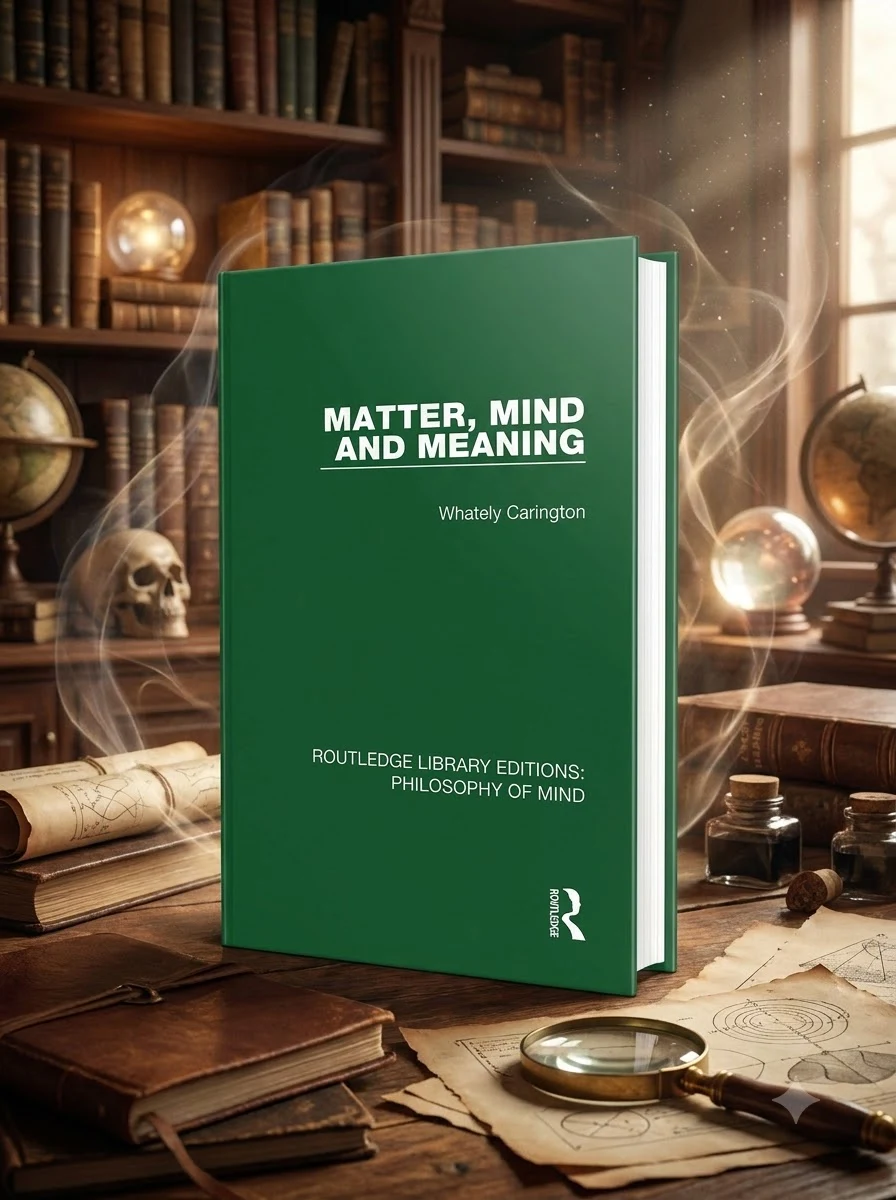
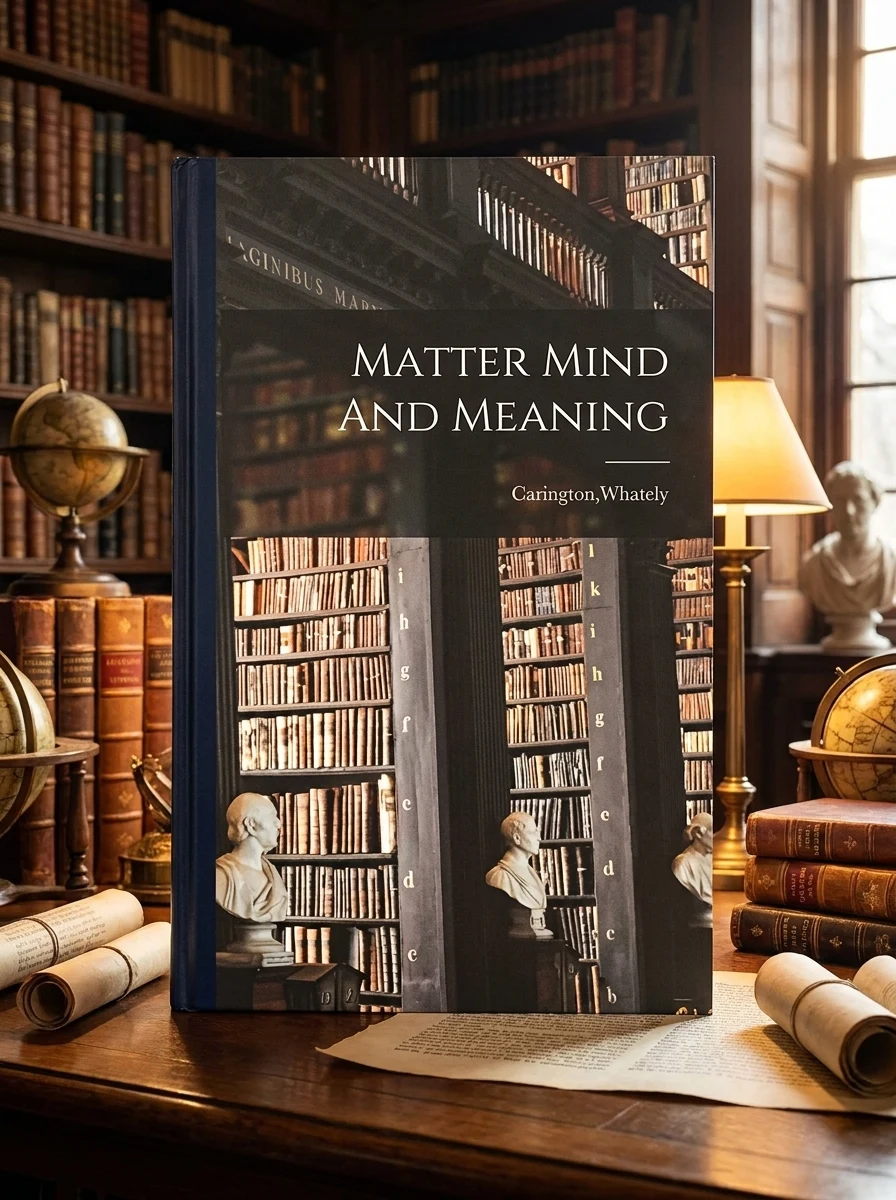
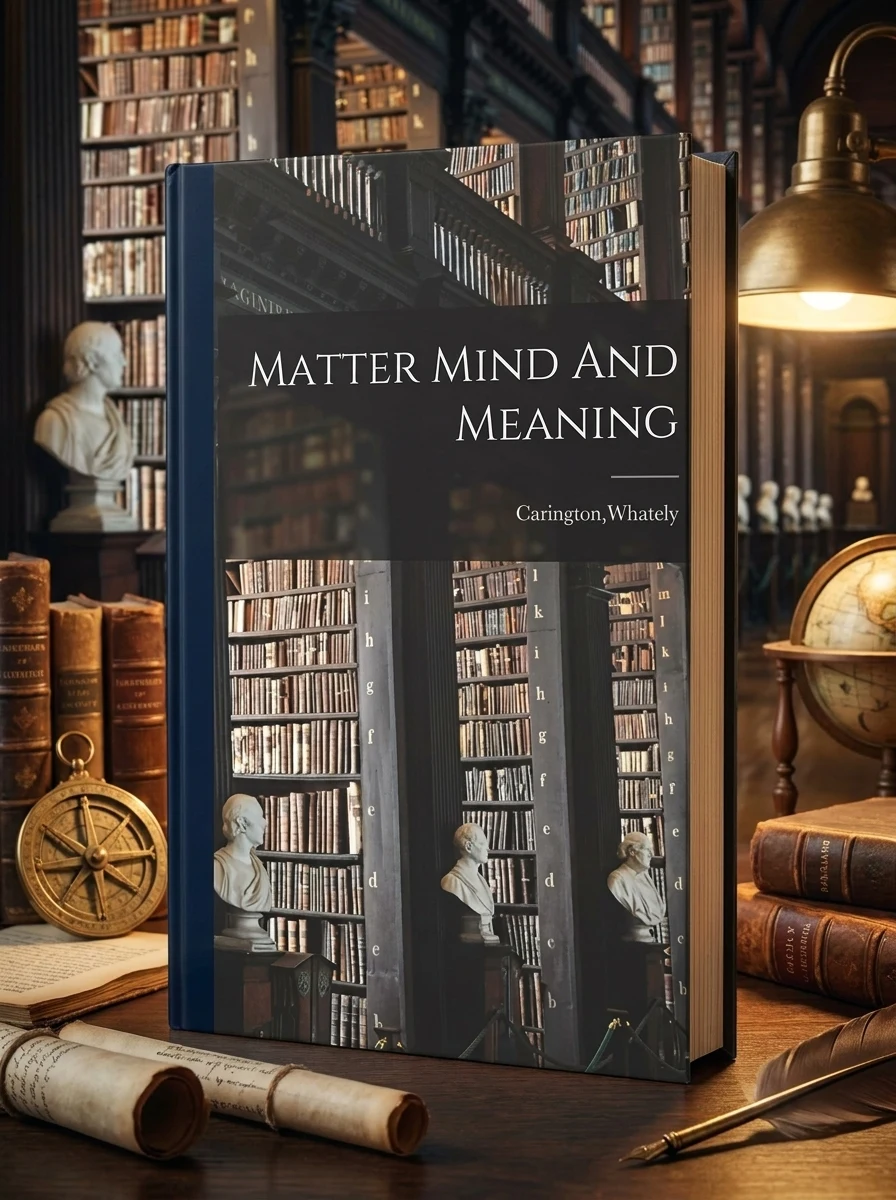
Matter, Mind and Meaning Carington, Whately
Carington, WhatelyStock reported in the catalog; fulfillment is confirmed with your request.
Unravel mind-matter mysteries by decoding the true power of language.
This volume delves into the philosophical underpinnings crucial for Psychical Research, tackling traditional metaphysical dilemmas concerning mind, matter, and their interrelation. Carington posits that these seemingly insoluble problems arise from fundamental misunderstandings about how words acquire meaning. He demonstrates that by clarifying the connection between language and experienceable entities, these philosophical quandaries dissipate, revealing their nonsensical nature. The resulting philosophy is a radically empirical form of Neutral Monism, intended to streamline the path for psychical inquiry while also serving as an accessible introduction to Empiricist Philosophy.
This work emerges from the early twentieth-century intersection of psychical research and logical empiricism, reflecting a period where scholars sought to reconcile supernatural phenomena with rigorous philosophical analysis. It represents a shift toward neutral monism as a framework for understanding consciousness without resorting to traditional dualistic metaphysics.


📝 Description: Matter, Mind and Meaning Carington, Whately
💎 Expert review
📖 Why choose it
Why this book is worth reading
This book is essential for the intellectually curious occultist who refuses to accept mystical claims without philosophical grounding. Carington offers a refreshing, rational approach to psychical research, stripping away dogma to reveal the empirical core of mind-matter relationships. Readers who appreciate precise linguistic analysis and the dissolution of metaphysical confusion will find profound clarity here. It serves as an ideal bridge for those interested in esoteric traditions but constrained by logical rigor. By clarifying how language shapes our perception of reality, it empowers readers to engage with psychical phenomena through a lens of neutral monism. This is not for those seeking emotional comfort or supernatural validation, but for the seeker who desires intellectual honesty and a coherent framework for understanding the mysteries of consciousness and experience.
⭐ Reader reviews
Reader rating
Carington presents a dense, argumentative text that demands patience from the reader. While his defense of neutral monism is logically consistent within its own empirical framework, it may alienate readers seeking spiritual inspiration or practical magical techniques. The book’s strength lies in its rigorous deconstruction of linguistic misunderstandings, yet this very academic focus renders it inaccessible to casual readers of occultism. Those expecting traditional esoteric wisdom or mystical anecdotes will likely find the experience dry and frustrating. However, for students of philosophy of mind and serious researchers in psychical studies, it remains a valuable, if demanding, contribution to the discourse on the nature of reality.
❓ Frequently asked questions
📖 Who should read this
If you're fascinated by the philosophical underpinnings of psychic phenomena, or simply seek a fresh, empirical perspective on age-old problems of mind and matter, this book offers a lucid and engaging entry point into a surprisingly practical philosophy.
🎯 Key themes and symbolism
Language and Reality
Carington argues that many deep philosophical quandaries, particularly those surrounding mind and matter, arise not from fundamental truths but from how we misuse or misunderstand our language. By examining the experiential roots of words, he reveals how meaning shapes our perception of reality and its inherent problems.
Mind-Matter Connection
Traditional metaphysics often struggles to reconcile the distinct natures of mind and matter. This book posits that these seemingly intractable problems are illusory, dissolving once we correctly apprehend the relationship between our conceptual vocabulary and the sensory data it represents, paving the way for a unified understanding.
Radical Empiricism
The author champions a philosophy grounded entirely in sensory experience, rejecting abstract metaphysical constructs that lack empirical grounding. This approach, culminating in a form of Neutral Monism, suggests that what we perceive as 'mind' and 'matter' are ultimately manifestations of a single, unified, and experienceable reality.
💬 Quotes from the book
“Our deepest philosophical confusions often stem not from profound mysteries, but from the simple failure to ground our words in observable experience.”
“When the fog of imprecise language lifts, the seemingly intractable problems of mind and matter vanish, revealed as mere shadows cast by ill-defined terms.”
📜 Historical context
📚 Glossary
- Psychical Research
- Neutral Monism
- Empiricism
📔 Questions to reflect on
- Consider a complex concept you often ponder (e.g., consciousness, free will). How might your choice of words influence your understanding or framing of this concept?
- Carington suggests many philosophical problems are 'nonsensical.' Can you identify a 'pseudo-problem' in your own thinking that might dissolve with a more precise definition of terms?
- If all knowledge must stem from 'experienceable entities,' how does this impact the study of phenomena that are inherently subjective or difficult to quantify, such as psychic abilities?
📖 From the series “Routledge Library Editions: Philosophy of Mind”
All books in the series →
✍️ More books by this author Carington, Whately
All books by this author →

🏛 Books from this publisher Routledge
All books from this publisher →
 89
89


You might also like
See more →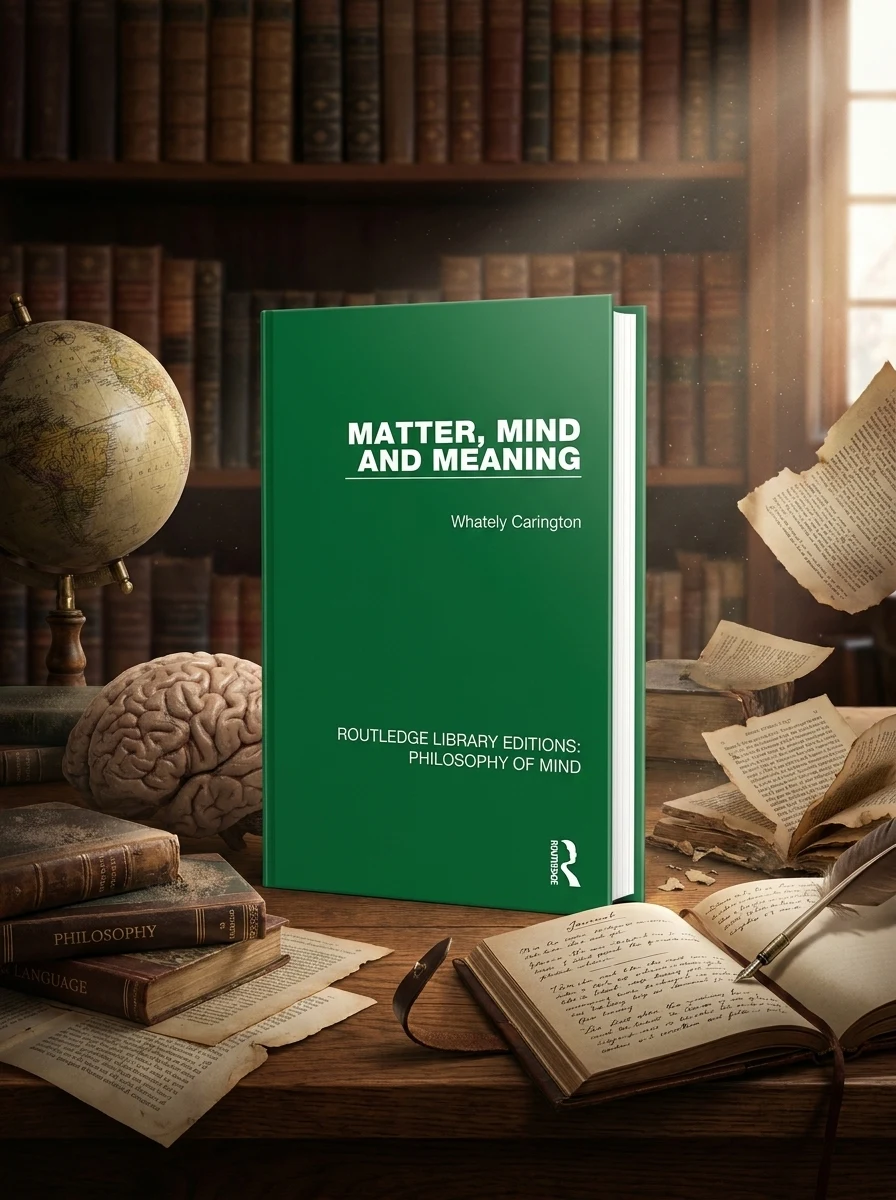 91
91

 91
91