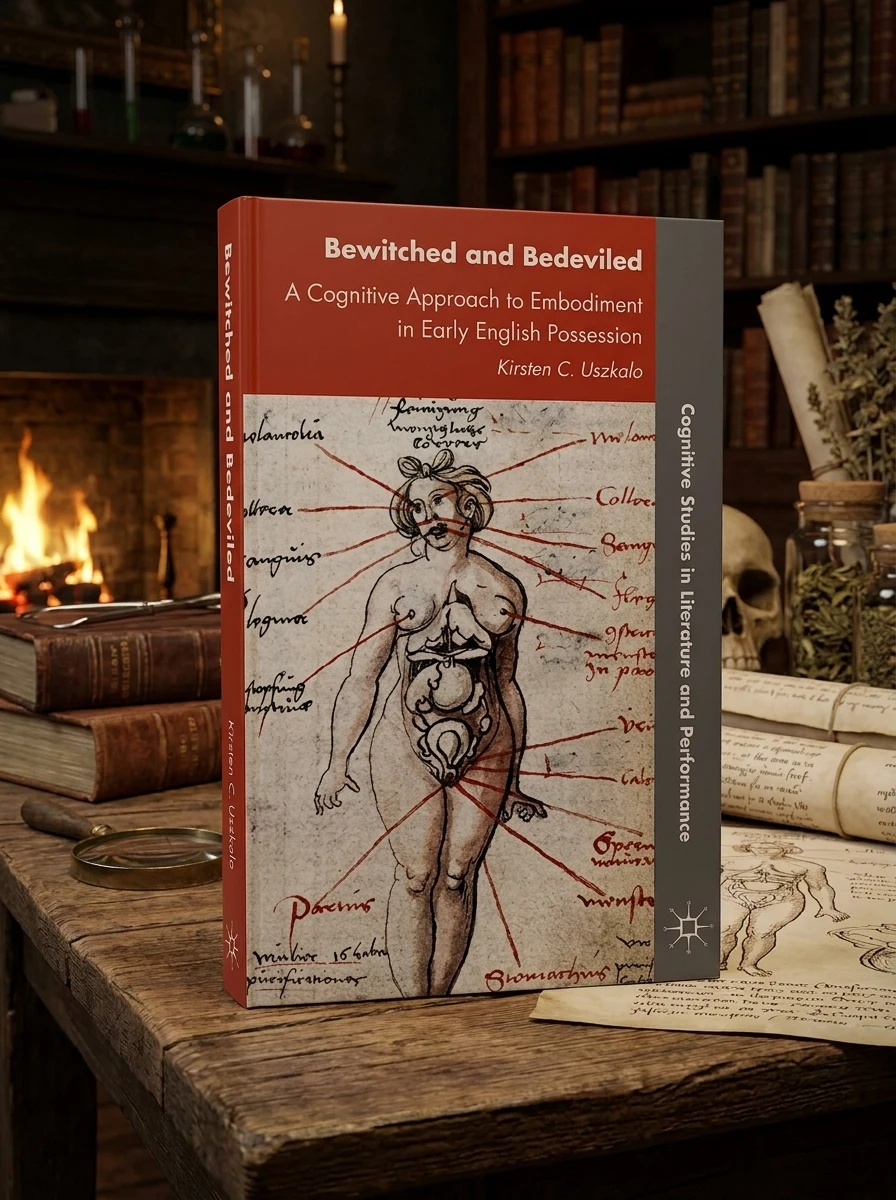
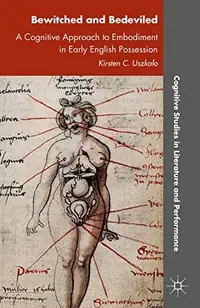
Bewitched and Bedevilled: A Cognitive Approach to Embodiment in Early English Possession (2015) Uszkalo, K
 84
84
 Editorial score
How we rate
Editorial score
How we rate
Stock reported in the catalog; fulfillment is confirmed with your request.
Unravel the bewildering reality of early English possession through a modern cognitive lens.
Uszkalo's groundbreaking study delves into the chilling historical accounts of demonic possession and exorcism in early England. Moving beyond traditional interpretations, this work employs cognitive science to illuminate the psychological, social, and cultural dimensions of these dramatic episodes. It meticulously traces the progression from initial symptoms to the final rites, revealing how communal beliefs, medical understanding, and religious doctrines shaped the experience of the 'bewitched' and the 'bedevilled' in their historical context.
This work sits at the intersection of historical theology and cognitive science, re-examining early English possession narratives through a modern psychological framework rather than traditional religious or supernatural interpretations.


📝 Description: Bewitched and Bedevilled: A Cognitive Approach to Embodiment in Early English Possession (2015) Uszkalo, K
💎 Expert review
📖 Why choose it
Why this book is worth reading
Scholars and students of early modern history will find this text invaluable for its innovative application of cognitive science to historical phenomena. Uszkalo offers a rigorous, intellectual framework that transforms chilling accounts of demonic possession into understandable episodes of social and psychological dynamics. It is essential for those seeking to move beyond binary interpretations of good versus evil, instead exploring how communal beliefs and medical understandings shaped the lived experience of the 'bewitched.' This book provides a sophisticated lens for analyzing the intersection of religion, culture, and the human mind during a period defined by dramatic spiritual conflict.
⭐ Reader reviews
Reader rating
Uszkalo presents a dense, academic exploration that demands patience and intellectual engagement from its audience. While the cognitive approach offers fresh insights into early English possession, the text is strictly scholarly and lacks narrative flair or accessibility for casual readers. It will not suit those seeking entertaining ghost stories, simple historical chronicles, or practical occult guidance. Readers looking for light reading or definitive theological answers may find the psychological deconstruction unsatisfying. However, for academics and serious researchers interested in the mechanics of belief and embodiment, it stands as a significant, albeit demanding, contribution to the field.
❓ Frequently asked questions
📖 Who should read this
If you're fascinated by the intersection of history, psychology, and the occult, and seek a rigorous, academic exploration of supernatural phenomena, this book is for you. It offers a fresh, analytical framework for understanding the profound impact of possession beliefs on individuals and society.
🎯 Key themes and symbolism
Cognitive Science & Possession
This book explores how contemporary cognitive theories can shed new light on historical possession narratives. It examines the mental frameworks and neurological processes that might have underpinned these experiences, offering a fresh perspective on what was once solely attributed to supernatural or theological forces, bridging past beliefs with modern understanding.
Stages of Bewitchment
The text meticulously dissects the chronological progression of possession, from the onset of peculiar behaviors and utterances to the dramatic rituals of exorcism. It analyzes how each phase was understood and managed within the social and religious contexts of early modern England, highlighting the interactive nature of the phenomenon between the possessed and their community.
Interdisciplinary Perspectives
Uszkalo masterfully synthesizes insights from literary criticism, historical archives, medical treatises, and religious texts. By bridging these diverse fields, the study paints a comprehensive picture of how early English society grappled with manifestations of the demonic, revealing the complex interplay of faith, medicine, and communal belief systems.
💬 Quotes from the book
“The bewitched body, far from being a passive vessel, actively participates in its own perceived affliction, mediated by the cognitive schemas and cultural expectations of the surrounding community.”
“By tracing the linguistic and behavioral patterns across numerous early English possession accounts, we discern not merely a theological struggle, but a profound instance of embodied cognition under extreme social pressure.”
📜 Historical context
📚 Glossary
- Possession Narrative
- Cognitive Approach
- Exorcism
📔 Questions to reflect on
- How might modern psychological disorders have been interpreted as demonic possession in early English society, and what does this reveal about cultural understanding of mental states?
- Consider a contemporary belief system or phenomenon often attributed to supernatural causes. How could a 'cognitive approach' illuminate its social and individual impact without dismissing personal experience?
- Reflect on the role of community, authority figures (medical, religious), and narrative in shaping an individual's experience of extreme mental or physical states, both historically and today.
🏛 Books from this publisher Palgrave MacMillan
All books from this publisher →

You might also like
See more →