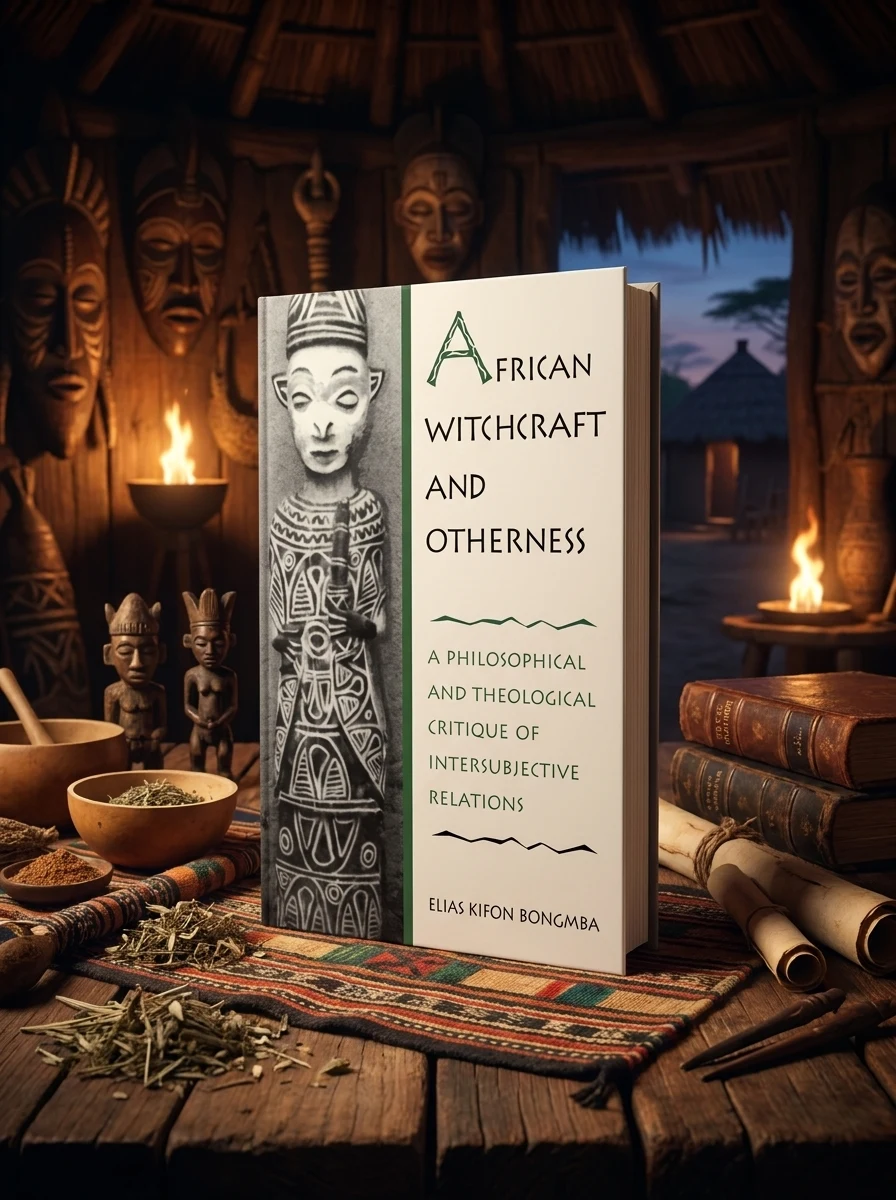
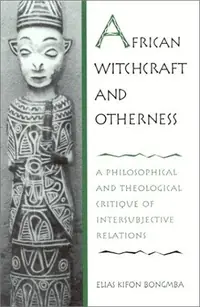
African Witchcraft and Otherness: A Philosophical and Theological Critique of Intersubjective Relations
Bongmba, Elias KifonThis edition can be ordered. No arrival date is confirmed.
Unveil the complex reality of African witchcraft through a profound philosophical and theological lens.
This groundbreaking work of African philosophy and theology meticulously examines 'tfu,' the concept of witchcraft among Cameroon's Wimbum people. Author Elias Bongmba ingeniously applies Emmanuel Levinas's philosophy, especially his ideas on the Other, to critically analyze intersubjective relations within this cultural context. Adopting a method termed "critical contextualism," the book navigates anthropological insights and personal experience to reveal that 'tfu' encompasses a nuanced spectrum of power, capable of both beneficial and harmful expressions. It critiques the "totalizing praxis" that emerges from the negative abuse of such power, echoing Levinas's ethical imperatives.
This text sits at the intersection of African philosophy and Christian theology, offering a critical theological critique of intersubjective relations through the lens of Wimbum cultural practices. It engages deeply with continental European existentialism, specifically the ethical frameworks established by Emmanuel Levinas.


📝 Description: African Witchcraft and Otherness: A Philosophical and Theological Critique of Intersubjective Relations
💎 Expert review
📖 Why choose it
Why this book is worth reading
Scholars and students of African philosophy will find immense value in this rigorous exploration of the Wimbum concept of 'tfu.' Readers interested in how ethical imperatives manifest within specific cultural contexts will appreciate Bongmba’s application of Levinasian theory to local dynamics. It is essential for those seeking to understand the nuanced spectrum of power that can be both beneficial and harmful. The book offers a profound philosophical lens for analyzing otherness, making it vital for theologians examining the relationship between indigenous beliefs and ethical structures. It provides a sophisticated framework for understanding how negative abuse of power creates totalizing praxis, offering deep insights into intersubjective relations.
⭐ Reader reviews
Reader rating
This is a dense academic work that demands patience and philosophical literacy. It will not suit casual readers seeking accessible narratives or those uninterested in continental philosophy. The text is specifically tailored for academics and theologians who can navigate complex theoretical intersections between African cultural studies and Levinasian ethics. Readers looking for straightforward anthropological descriptions without heavy philosophical critique may find the content overly abstract. It is a specialized resource for serious scholarly inquiry rather than general interest, requiring a strong background in ethical theory to fully appreciate its nuanced arguments regarding power and otherness.
❓ Frequently asked questions
📖 Who should read this
If you're a serious student of African philosophy, theology, or comparative religion, or someone seeking a rigorous, ethical framework for understanding complex spiritual traditions, this book is essential. It challenges assumptions and fosters a deeper, more respectful engagement with otherness.
🎯 Key themes and symbolism
The Ethics of Otherness
Bongmba expertly employs Emmanuel Levinas's philosophical framework to explore how we perceive and interact with the 'Other.' This theme unpacks the ethical implications of encountering distinct cultural and spiritual practices like 'tfu,' advocating for an understanding that respects difference rather than subsuming it under pre-existing Western paradigms. It challenges readers to reconsider their own positions on alterity.
Deconstructing African Witchcraft
Moving beyond simplistic or sensationalized depictions, this book offers a sophisticated analysis of 'tfu' within the Wimbum culture. It delves into the diverse categories of power associated with this phenomenon, demonstrating that 'witchcraft' is not monolithically evil but a complex system with potential for both positive application and destructive misuse, contingent on intent and context.
Cross-Cultural Philosophical Method
The author introduces "critical contextualism" as a methodology for engaging in cross-cultural philosophical inquiry without compromising the integrity of the studied culture. This approach combines rigorous academic analysis with deep respect for indigenous perspectives, allowing for a nuanced exploration of African thought that avoids colonialist pitfalls and fosters genuine intellectual dialogue.
💬 Quotes from the book
“The very notion of 'tfu' demands we transcend simplistic binaries of good and evil, recognizing instead a spectrum of power, intention, and consequence within the Wimbum worldview.”
“Levinas's insights compel us to confront the totalizing impulse inherent in judging the Other, urging an ethical encounter that respects alterity in its deepest forms.”
📜 Historical context
📚 Glossary
- Tfu
- Levinas, Emmanuel
- Intersubjective Relations
📔 Questions to reflect on
- How might your own cultural background influence your initial understanding or judgment of practices like 'tfu,' and how can Levinas's concept of the Other help you re-evaluate these biases?
- Consider a situation where you witnessed power being used for both good and ill. How does the book's distinction between the constructive and destructive potential of 'tfu' resonate with your observation?
- Reflect on the concept of 'critical contextualism.' How can this approach be applied to other areas of interdisciplinary or cross-cultural study to avoid imposing external frameworks onto indigenous knowledge systems?
✍️ More books by this author Bongmba, Elias Kifon
All books by this author →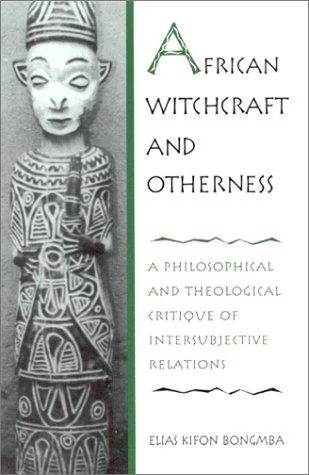
🏛 Books from this publisher State University of New York Press
All books from this publisher →
You might also like
See more →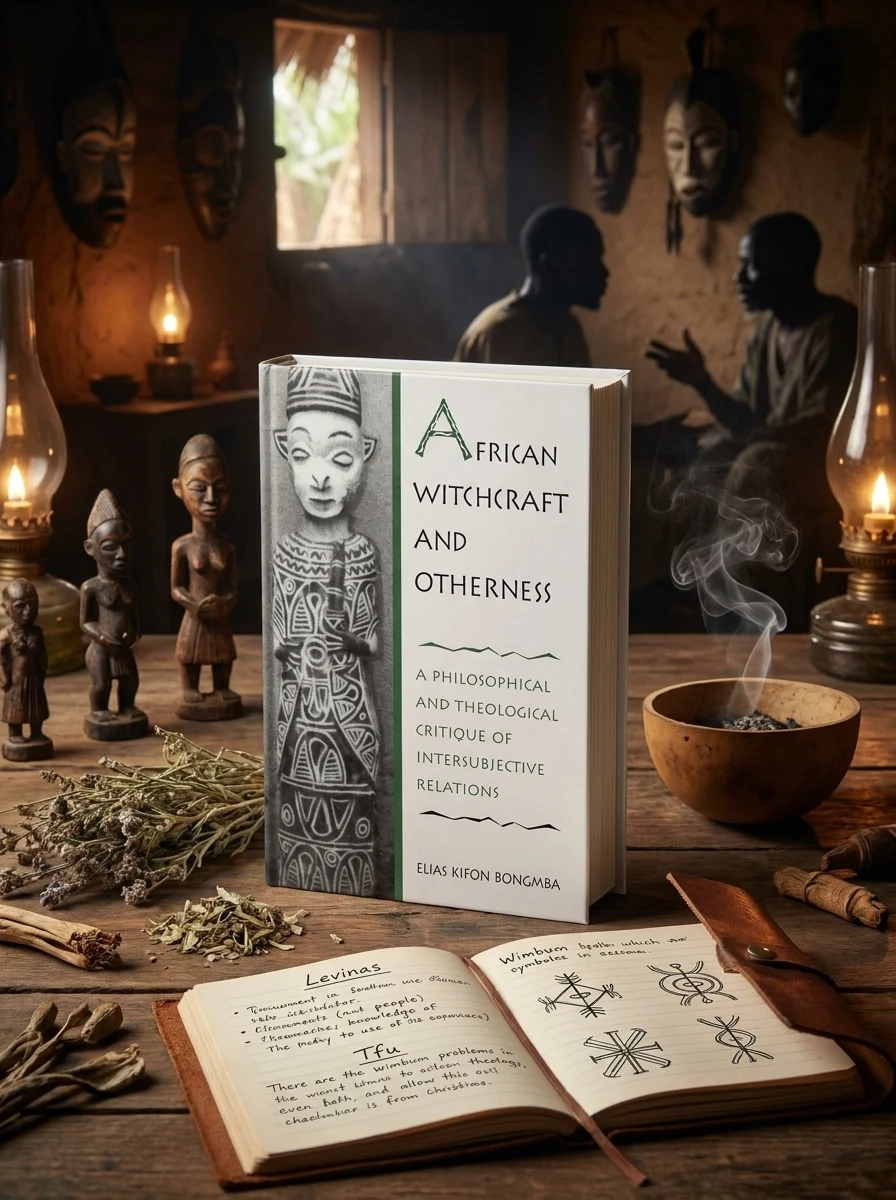

 91
91