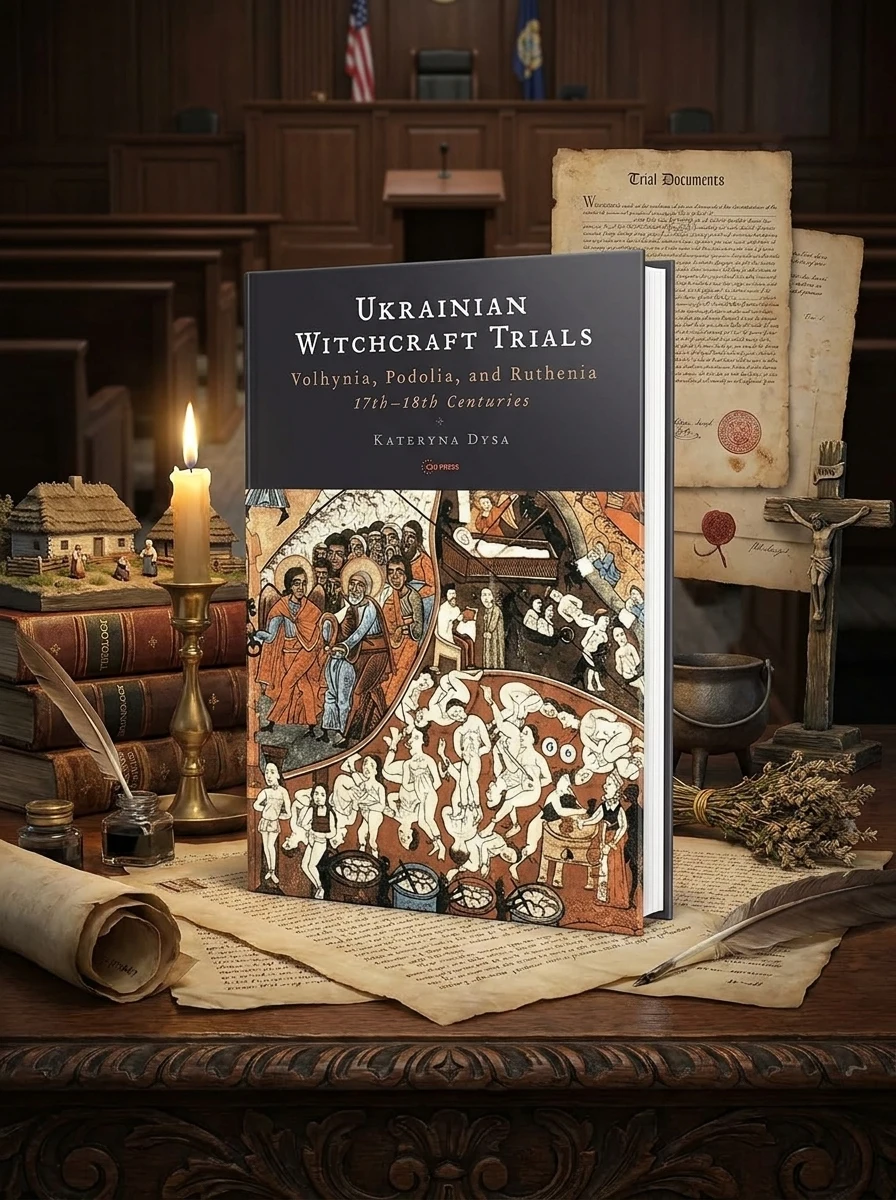
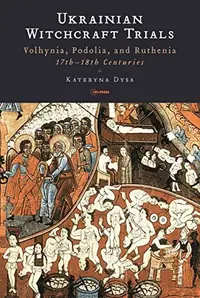
Ukrainian Witchcraft Trials: Volhynia, Podolia, and Ruthenia, 17th-18th Centuries
Dysa, KaterynaThis edition can be ordered. No arrival date is confirmed.
Unearth the chilling human drama behind Ukraine's forgotten witch hunts.
Kateryna Dysa meticulously reconstructs the complex tapestry of 17th and 18th-century witchcraft trials across historical Ukrainian lands. Her research moves beyond condemnation, delving into the theological underpinnings that shaped perceptions of the demonic and witchcraft. The core of her investigation illuminates the intricate social dynamics that sparked initial suspicions and escalated into formal accusations. Drawing on detailed archival study, including trial transcripts, Dysa offers a microhistorical perspective from a Volhynian village, situating these Ukrainian experiences within broader European and even African comparative frameworks.
This work situates itself within the scholarly tradition of early modern European social history and comparative witchcraft studies, specifically focusing on the Eastern European periphery during the 17th and 18th centuries.


📝 Description: Ukrainian Witchcraft Trials: Volhynia, Podolia, and Ruthenia, 17th-18th Centuries
💎 Expert review
📖 Why choose it
Why this book is worth reading
Readers with a deep interest in the intersection of theology, social dynamics, and historical justice will find immense value in this meticulous reconstruction. Dysa’s work is essential for those seeking to understand how theological underpinnings shaped perceptions of the demonic in Eastern Europe. By moving beyond simple condemnation, the book offers a nuanced microhistorical perspective that illuminates the intricate social sparks leading to accusations. It is particularly rewarding for scholars and enthusiasts who appreciate detailed archival study and comparative frameworks linking Ukrainian experiences to broader European and African contexts, providing a chilling yet academically rigorous human drama behind forgotten histories.
⭐ Reader reviews
Reader rating
Dysa delivers a dense, archival-heavy analysis that demands patience from the reader. While the microhistorical focus on Volhynia offers unique insights into social dynamics and theological underpinnings, this is not a narrative-driven account of witchcraft for casual readers or those seeking atmospheric storytelling. The comparative frameworks are intellectually stimulating but may feel academic to general audiences. It does not suit readers looking for light reading, modern Wiccan practice guides, or straightforward condemnations of historical figures. This text is strictly for those prepared to engage with complex social histories and theological arguments rather than sensationalized tales of the occult.
❓ Frequently asked questions
📖 Who should read this
For those drawn to the intricate social history of early modern Europe, especially the human stories behind witchcraft accusations, this book is essential. It offers nuanced insights into belief systems, legal processes, and community anxieties, perfect for historians, cultural scholars, and curious readers.
🎯 Key themes and symbolism
Ideological Roots of Accusation
Dysa reconstructs the intellectual landscape that fueled these trials, examining how clerical and theological texts defined malevolent forces and witches. This foundational understanding reveals the deeply ingrained beliefs that justified brutal legal processes, offering insight into the era's spiritual anxieties and intellectual justifications for persecution.
Anatomy of an Accusation
This work dissects the social and psychological mechanisms transforming initial doubts into formal charges. Analyzing participant testimonies, Dysa illuminates the community dynamics, personal grievances, and escalating fears that ultimately led individuals to name neighbors as practitioners of dark arts, revealing the human drama inherent in growing suspicion.
Ukrainian Trials in Context
A compelling microhistory from a Volhynian village offers a granular view of local justice and gendered offenses. Dysa then masterfully places these regional events within wider European and even African comparative frameworks, demonstrating both the unique aspects of Ukrainian trials and their shared threads with global patterns of persecution.
💬 Quotes from the book
“The diabolical pact, as conceived by 17th-century theologians, was not merely a fantastical construct but a terrifyingly real framework through which local misfortunes were understood and attributed.”
“In the testimonies of villagers, we discern not just malice, but a complex web of envy, fear, and desperation that often preceded the formal utterance of 'witch' against a neighbor.”
📜 Historical context
📚 Glossary
- Volhynia
- Podolia
- Ruthenia
📔 Questions to reflect on
- How might the historical dynamics of suspicion and accusation explored in this book resonate with contemporary social phenomena or 'witch hunts' in our own time?
- Consider the interplay between theological doctrine and local folklore in shaping the perception of witchcraft. How do belief systems, both grand and vernacular, influence justice?
- If you were a villager in 17th-century Volhynia, what factors do you imagine would most influence your decision to accuse or defend someone suspected of witchcraft?
✍️ More books by this author Dysa, Kateryna
All books by this author →
🏛 Books from this publisher Central European University Press
All books from this publisher →
You might also like
See more →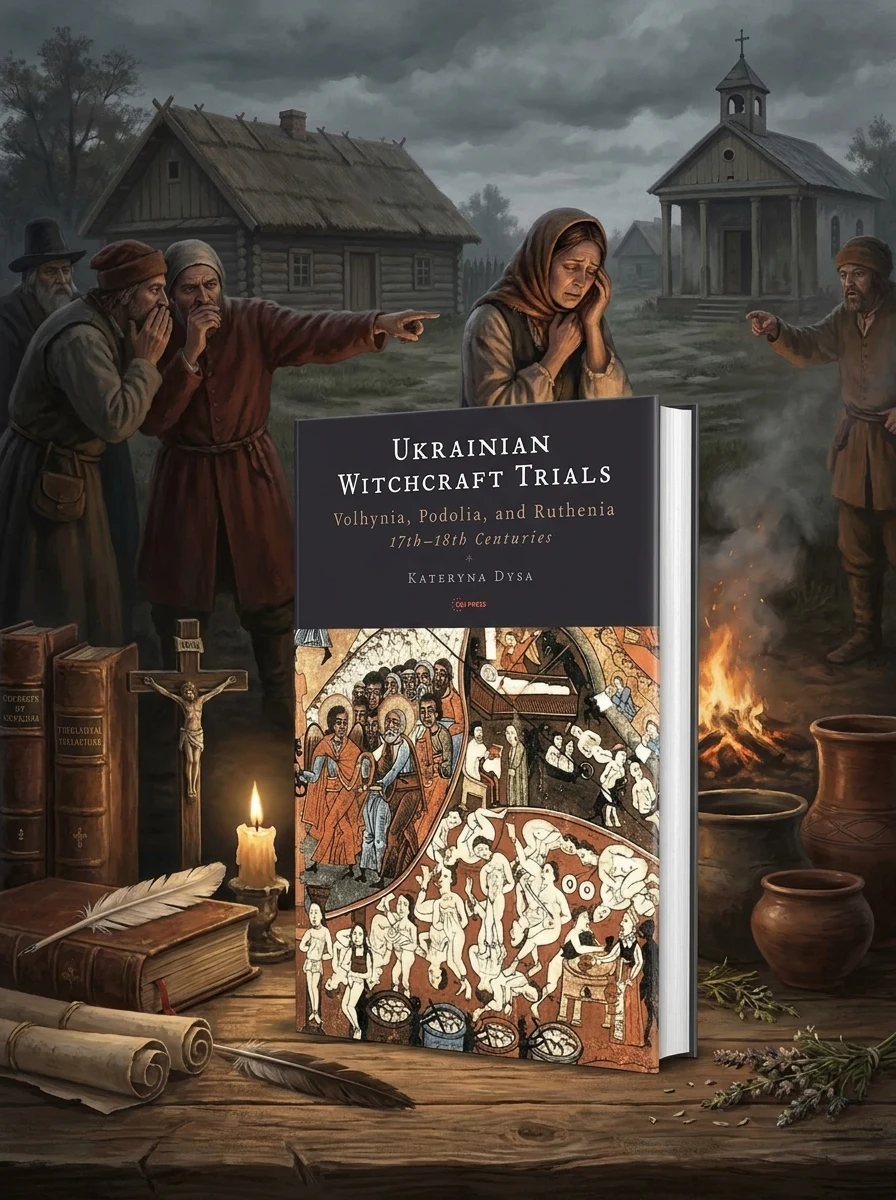



 91
91