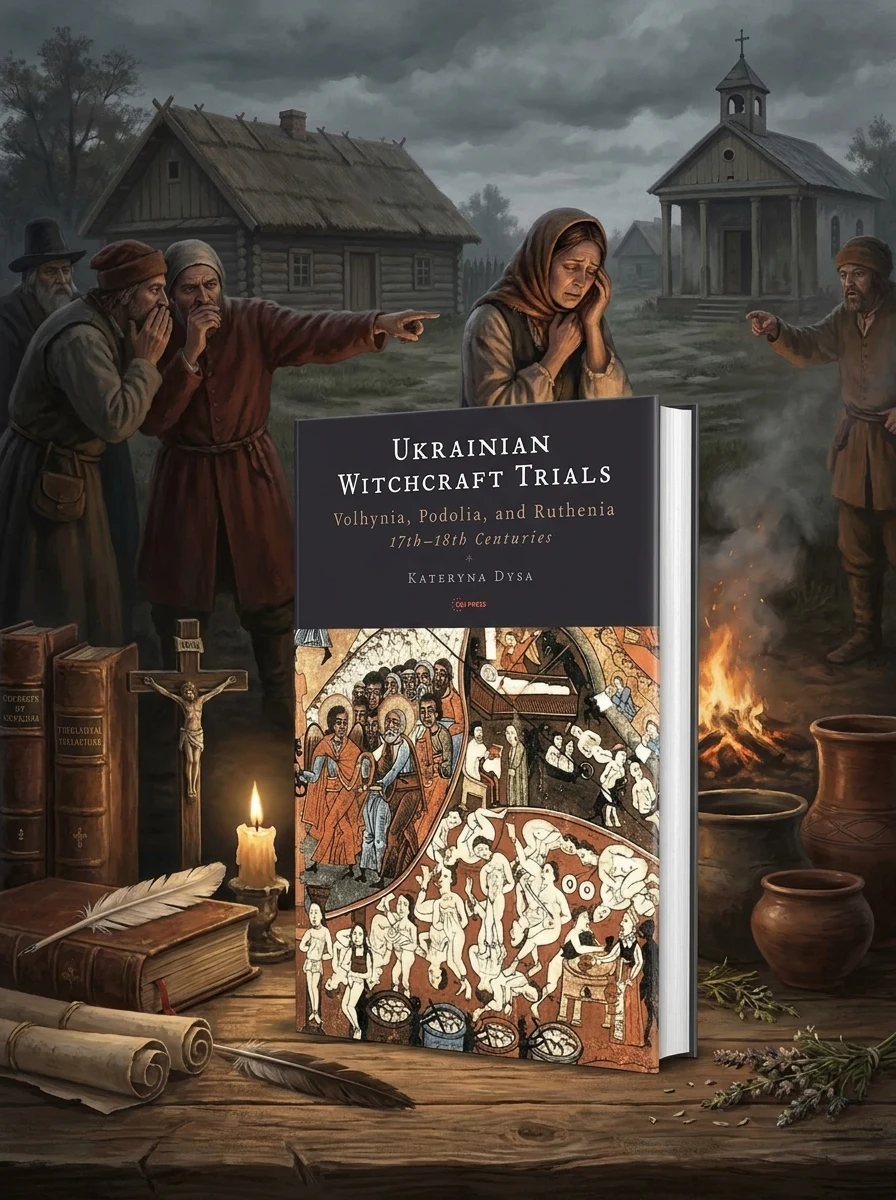
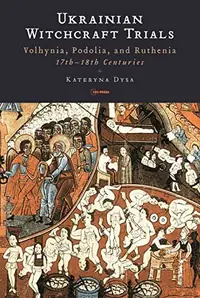
Ukrainian Witchcraft Trials: Volhynia, Podolia, and Ruthenia, 17th-18th Centuries
Dysa, Kateryna 85
85
 Editorial score
How we rate
Editorial score
How we rate
This edition can be ordered. No arrival date is confirmed.
Unearth chilling narratives from 17th and 18th-century Ukrainian witch trials, a journey into human fear.
Kateryna Dysa meticulously excavates the forgotten history of witchcraft trials across 17th and 18th-century Volhynia, Podolia, and Ruthenia. This groundbreaking study begins by outlining the theological frameworks that fueled beliefs about the Devil and witches. Its core, however, lies in unraveling the intricate web of events and perceptions that culminated in accusations, drawing deeply from the testimonies of those involved. Dysa enriches this by presenting a detailed microhistory from a single Volhynian village, examining how local courts handled perceived "female crimes." Her research, rooted in original trial transcripts, illuminates the beliefs and practices of the era, offering a nuanced understanding of the participants.
This work sits firmly within the historiography of early modern European witchcraft studies, specifically contributing to the nuanced understanding of Eastern European legal and theological histories. It bridges the gap between broad Western narratives and the specific regional dynamics of Volhynia, Podolia, and Ruthenia during the 17th and 18th centuries.


📝 Description: Ukrainian Witchcraft Trials: Volhynia, Podolia, and Ruthenia, 17th-18th Centuries
💎 Expert review
📖 Why choose it
Why this book is worth reading
This book is essential for scholars and serious enthusiasts of occult history who seek to move beyond Western-centric narratives of the witch hunts. Readers interested in the specific interplay between theology, local governance, and gender dynamics in Eastern Europe will find immense value in Dysa’s meticulous excavation of trial transcripts. It offers a rare, grounded perspective on how fear was institutionalized in Volhynia, Podolia, and Ruthenia. Those who appreciate microhistory and the detailed unraveling of legal processes will gain a profound appreciation for the human stories hidden within these archives. It is not merely a collection of scary tales but a rigorous academic journey into the mechanisms of accusation and perception that defined an era.
⭐ Reader reviews
Reader rating
Dysa delivers a scholarly, dense examination of witchcraft trials that demands patience from its audience. While the microhistorical approach to a single Volhynian village provides unique insights into local judicial handling of perceived female crimes, this is not light reading for those seeking sensationalist ghost stories or easy narratives. Readers looking for quick entertainment or broad, generalized overviews of European witchcraft will likely find this too specialized and academically rigorous. The focus on theological frameworks and original transcripts may alienate casual readers who prefer narrative-driven accounts over analytical dissections of historical fear and legal procedure.
❓ Frequently asked questions
📖 Who should read this
If you're drawn to the intricate social history of belief, the dark currents of early modern justice, or the human stories behind persecution, this book offers a profound and empathetic exploration. Delve into the forgotten echoes of Eastern European witchcraft with Kateryna Dysa.
🎯 Key themes and symbolism
Ideological Roots of Witchcraft
Dysa meticulously reconstructs the theological and priestly writings that shaped societal perceptions of witchcraft and the demonic. She reveals how these ingrained beliefs formed the intellectual bedrock upon which the subsequent trials and accusations were constructed, providing crucial context for understanding the era's fear and moral panic.
Anatomy of an Accusation
The author delves into the progression from initial suspicion to formal accusation, using participant narratives to illustrate the human dynamics at play. This exploration uncovers the social pressures, personal grievances, and community anxieties that often ignited and propelled charges of sorcery through the legal system.
Volhynian Village Microhistory
A focused examination of one Volhynian community offers a granular view of how witchcraft accusations manifested locally. By comparing attitudes towards specific "female crimes," Dysa provides an intimate look at the judicial and social responses, highlighting the localized nuances of early modern justice.
💬 Quotes from the book
“The whispers of a community, fueled by fear and ancient beliefs, often proved more potent than any formal decree in condemning a soul.”
“Through the fragmented testimonies, we glimpse not just the accused, but the accusers, revealing a tapestry of human frailty, desperation, and conviction.”
📜 Historical context
📚 Glossary
- Volhynia
- Podolia
- Ruthenia
📔 Questions to reflect on
- Consider how anxieties and collective fears in your own society might lead to scapegoating or accusations, even without a 'witchcraft' label.
- Reflect on the power of narrative and testimony, even when flawed, in shaping historical and legal outcomes. How do we discern truth from persuasion?
- If you were a member of a 17th-century Ukrainian village, how might you navigate the social pressures and suspicions surrounding a witchcraft accusation?
✍️ More books by this author Dysa, Kateryna
All books by this author →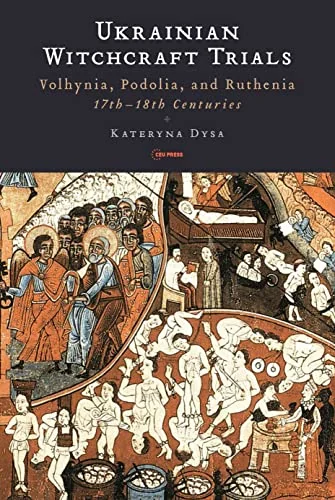
🏛 Books from this publisher Central European University Press
All books from this publisher →

You might also like
See more →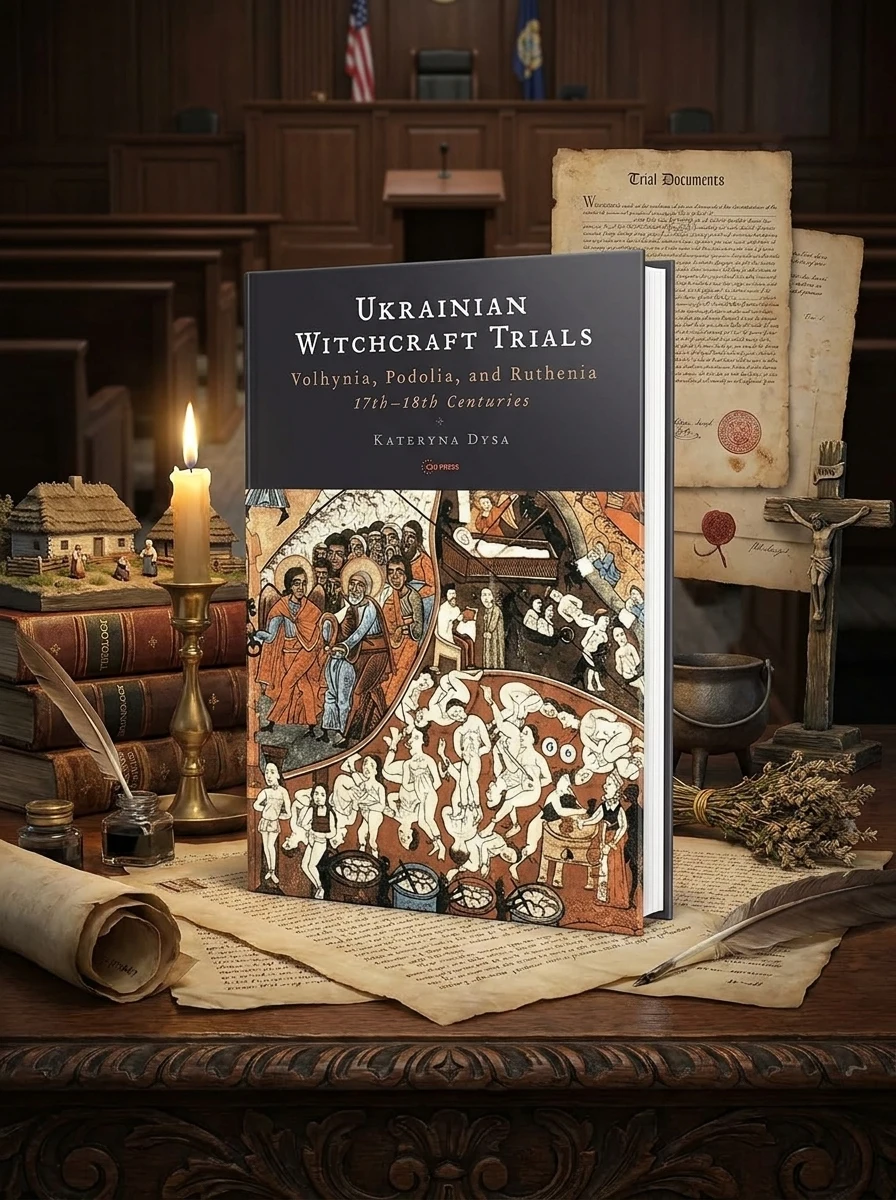


 91
91