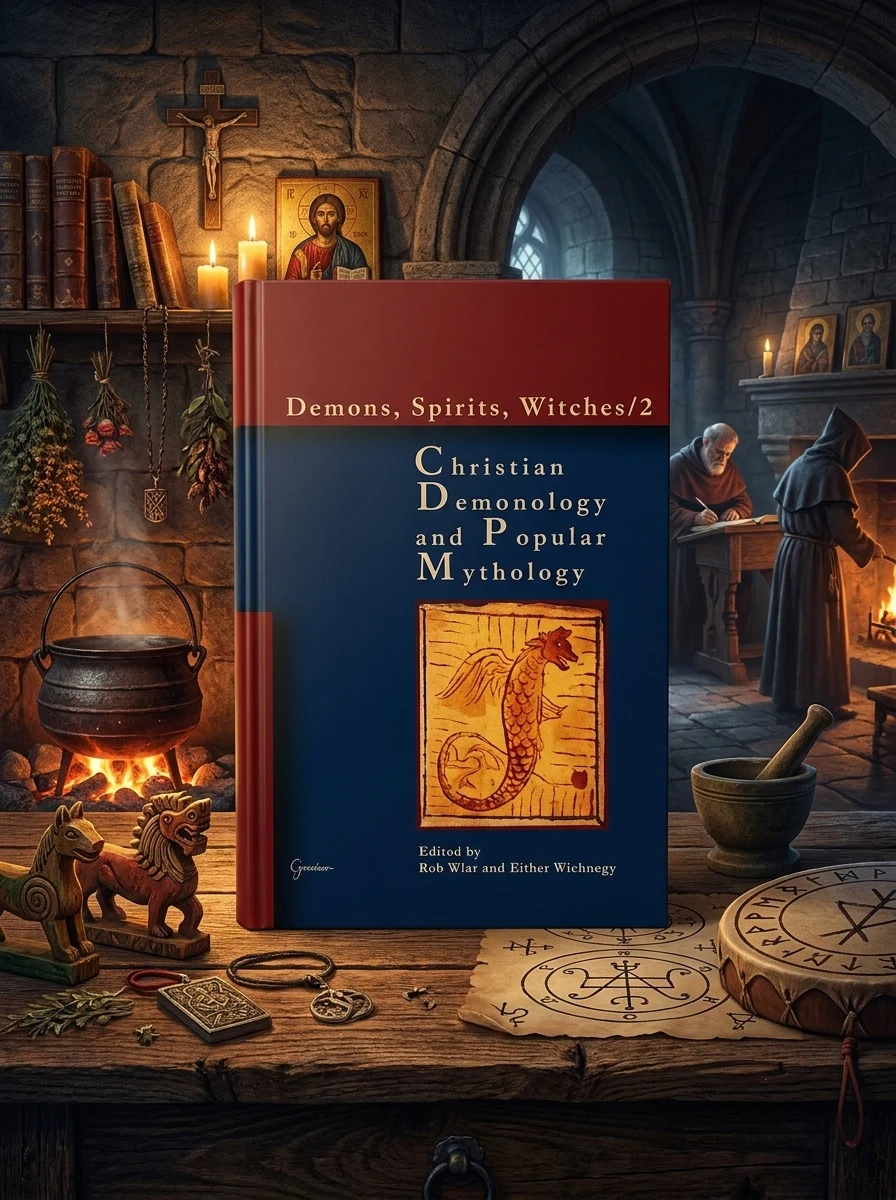
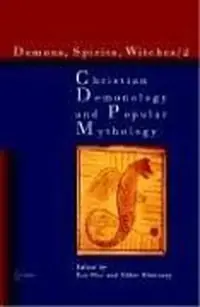
Christian Demonology and Popular Mythology
 89
89
 Editorial score
How we rate
Editorial score
How we rate
This edition can be ordered. No arrival date is confirmed.
Unravel the tangled roots of European demonology from medieval folklores to modern myths.
This volume gathers rigorous scholarship from historians and ethnologists across four continents to map the complex interplay between Judeo-Christian demonology and popular European folklore. It highlights the stark divergence between Western and Eastern European spiritual trajectories, examining how learned theological frameworks clashed with or absorbed local beliefs. The text dissects the roles of saints, shamans, and spirits, exploring their functions in healing, protection, and malevolence, while tracing the enduring antagonism between demonic forces and holy figures through centuries of cultural evolution.
This volume sits firmly within the rigorous academic study of European spiritual history, bridging the gap between theological doctrine and ethnographic folklore. It serves as a scholarly resource for understanding the complex interplay between Judeo-Christian frameworks and popular belief systems across different regions.


📝 Description: Christian Demonology and Popular Mythology
💎 Expert review
📖 Why choose it
Why this book is worth reading
Scholars and enthusiasts of European spiritual history will find immense value in this comprehensive mapping of demonological evolution. By gathering diverse scholarly perspectives from four continents, the text clarifies how theological frameworks clashed with or absorbed local beliefs over centuries. Readers interested in the roles of saints, shamans, and spirits will appreciate the detailed dissection of their functions in healing and malevolence. It is essential for anyone seeking to understand the enduring antagonism between demonic forces and holy figures, offering a nuanced view of how Western and Eastern European spiritual trajectories diverged while remaining interconnected through shared mythological roots.
⭐ Reader reviews
Reader rating
Came across this title in a footnote and had to track it down. Some chapters demand a slow, careful read, and that's exactly the point. It's become a regular reference in my practice. Delivery took a bit longer than quoted.
Perfect companion for my morning study sessions. There's real depth here that reveals itself on a second reading. Highly recommend to serious students.
My third book from this store and this one might be the best. I appreciated how the argument builds steadily from first principles. Every rereading turns up something I missed.
Added this to my reference shelf. The symbolism is layered and generous to patient readers.
Bought this as a gift for my sister and ended up ordering a second copy for myself. Some chapters demand a slow, careful read, and that's exactly the point. Some archaic spellings slow things down. Good, with the caveats above.
Was skeptical at first. Plenty of passages worth underlining; my copy is already full of margin notes. It assumes more background than a beginner might have. Still worth having on the shelf.
This rigorous academic volume offers a dense, scholarly exploration of demonology that may overwhelm casual readers or those seeking accessible mythology. It is strictly for historians and ethnologists willing to engage with complex theological frameworks and cross-cultural analysis. The work does not suit those looking for narrative-driven folklore or simple ghost stories, as it prioritizes scholarly divergence between Western and Eastern traditions over engaging storytelling. While intellectually robust in mapping the interplay of Judeo-Christian demonology and folklore, its academic tone ensures it remains a specialized text for those deeply invested in the historical and cultural evolution of spiritual beliefs rather than general entertainment.
❓ Frequently asked questions
📖 Who should read this
Scholars of religious history, anthropologists studying European folklore, and practitioners interested in the historical roots of saintly and demonic archetypes.
🎯 Key themes and symbolism
Folkloric Demonology
East-West Divergence
Spiritual Antagonism
💬 Quotes from the book
“The conflict of saints, healers, seers, shamans with the representatives of evil.”
“The special function of escorting, protecting, possessing, harming and healing spirits.”
📜 Historical context
📚 Glossary
- Learned Demonology
- Pre-Christian Spirit-world
- East-West Divergence
📔 Questions to reflect on
- How do local folk spirits in your region reflect or contradict official religious teachings?
- In what ways do modern myths still carry the DNA of medieval demonology?
- Where do you see the boundary between 'saintly' protection and 'demonic' harm in contemporary culture?
🏛 Books from this publisher Central European University Press
All books from this publisher →
You might also like
See more → 87
87
 91
91