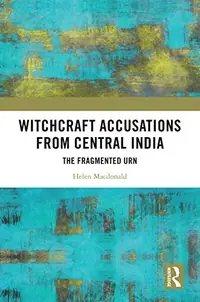
Witchcraft Accusations from Central India: The Fragmented Urn
MacDonald, HelenStock reported in the catalog; fulfillment is confirmed with your request.
Unearth the dark truths behind witchcraft accusations persisting in modern India's heartland.
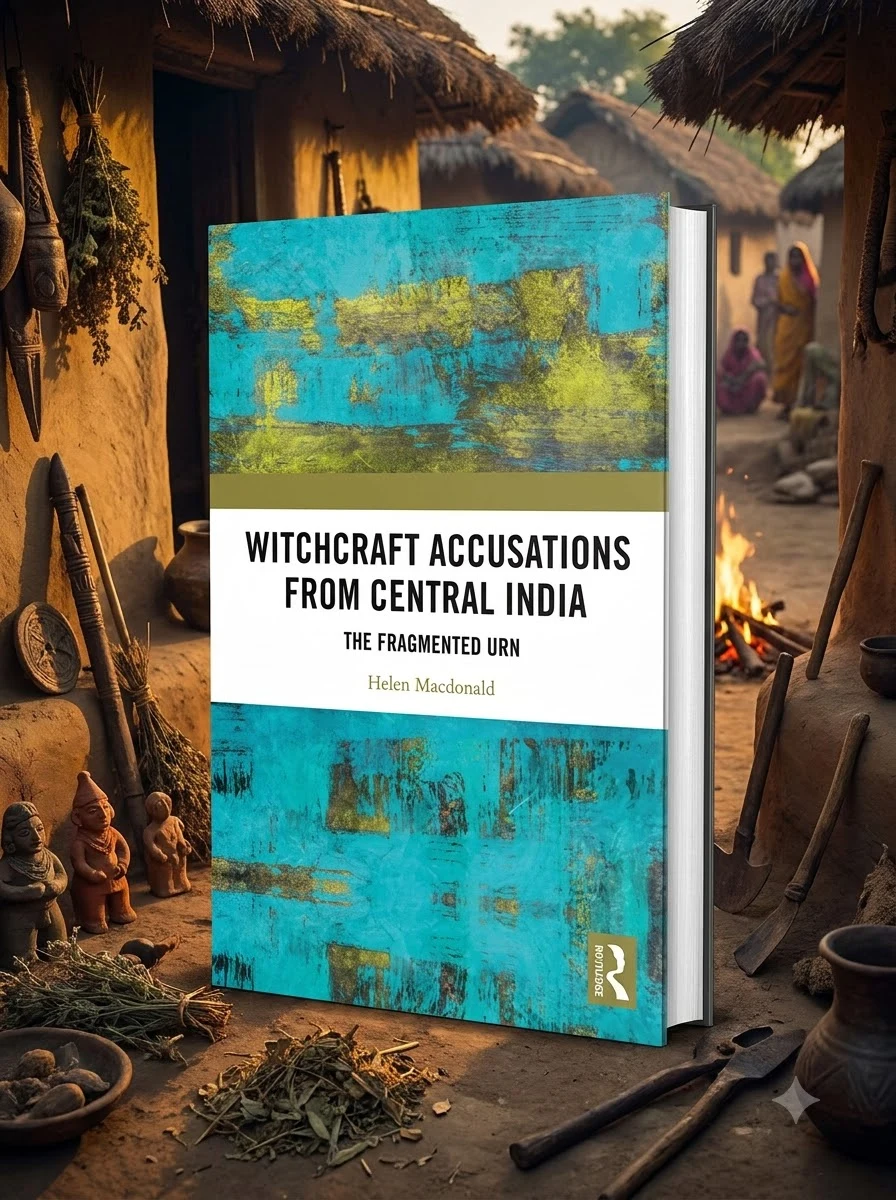
Helen MacDonald's "The Fragmented Urn" offers a compelling ethnographic journey into the complex world of witchcraft accusations within India's Chhattisgarh region. Moving beyond sensationalism, this insightful volume meticulously examines the societal structures and underlying beliefs that perpetuate such claims, even amidst rapid modernization. Through rigorous theoretical and empirical investigation, MacDonald illuminates the intricate interplay between ancient fears, social tensions, and the often-brutal realities faced by those accused. It's a vital exploration of how accusations of malefic magic continue to shape communities and individual lives in contemporary central India.
This work anchors itself within the rigorous field of contemporary ethnographic studies, specifically focusing on the socio-legal dynamics of witchcraft accusations in modern central India. It serves as a critical academic intervention that bridges traditional occult practices with current societal structures and rapid modernization.


📝 Description: Witchcraft Accusations from Central India: The Fragmented Urn
💎 Expert review
📖 Why choose it
Why this book is worth reading
Readers deeply invested in the intersection of anthropology, law, and gender studies will find profound value in this text. It offers a necessary, nuanced lens through which to view the persistent violence of witchcraft accusations in modern India. By moving beyond sensationalism, the book provides essential insights into how ancient fears coexist with contemporary social tensions. Those seeking to understand the brutal realities faced by accused individuals in Chhattisgarh will appreciate this rigorous investigation. It is particularly vital for scholars and activists aiming to dismantle harmful superstitions through empirical evidence rather than myth.
⭐ Reader reviews
Reader rating
Helen MacDonald delivers a meticulously researched ethnographic account that avoids easy sensationalism, offering instead a complex analysis of societal structures perpetuating witchcraft claims. While academically robust and theoretically sound, this volume is not suited for readers seeking narrative thrillers or simplistic explanations of magical practices. It demands patience and an interest in dense sociological theory. Those looking for light reading on Wicca or fantasy tropes will find it dry and inaccessible. However, for serious students of Indian society and human rights, it remains an indispensable, albeit demanding, resource.
❓ Frequently asked questions
📖 Who should read this
For seekers fascinated by the intricate dance between belief, power, and social control, and those aiming to understand witchcraft's global persistence beyond Western paradigms, this is essential reading. Anthropologists, sociologists, and social justice advocates will find profound insights.
🎯 Key themes and symbolism
Enduring Witchcraft in Modernity
This work critically examines how accusations of witchcraft persist and evolve within contemporary society, specifically in central India. It challenges the notion that such beliefs belong solely to a pre-modern past, revealing their complex interplay with current social structures and pressures, rather than being mere relics of superstition.
Social Fabric of Accusation
MacDonald delves deep into the institutional frameworks and communal dynamics that allow witchcraft accusations to take root and flourish. The book dissects how local power structures, legal systems, and cultural norms contribute to both the formation and resolution—or perpetuation—of these complex social phenomena within communities.
Violence, Justice, and Accusation
The author meticulously explores the often-brutal violence inflicted upon those accused of witchcraft, alongside the community's attempts at informal justice or formal legal intervention. It highlights the profound human cost and the challenges of achieving equitable resolutions in these emotionally charged situations, caught between tradition and modern law.
💬 Quotes from the book
“The 'witch' in Chhattisgarh is not merely a figure of folklore but a potent social construct, continually re-negotiated at the fraught intersections of tradition, law, and everyday anxieties.”
“To understand the enduring violence against those accused, one must first grasp the intricate, often contradictory, institutional logics that both condemn and occasionally protect them.”
📜 Historical context
📚 Glossary
- Ethnography
- Witchcraft Accusation
- Modernity
📔 Questions to reflect on
- How do modern societies, even your own, still grapple with forms of 'witchcraft accusations' or scapegoating, albeit under different guises?
- Consider how rapid societal changes, like modernization, can paradoxically exacerbate rather than diminish belief in and fear of malefic forces within a community.
- Reflect on the ethical complexities of intervening in local justice systems when traditional beliefs conflict with universal human rights standards or legal frameworks.
✍️ More books by this author MacDonald, Helen
All books by this author →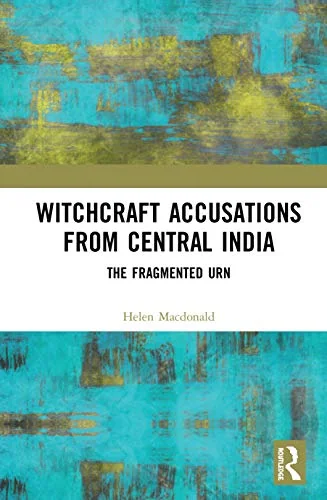
🏛 Books from this publisher Routledge India
All books from this publisher →
 85
85
You might also like
See more →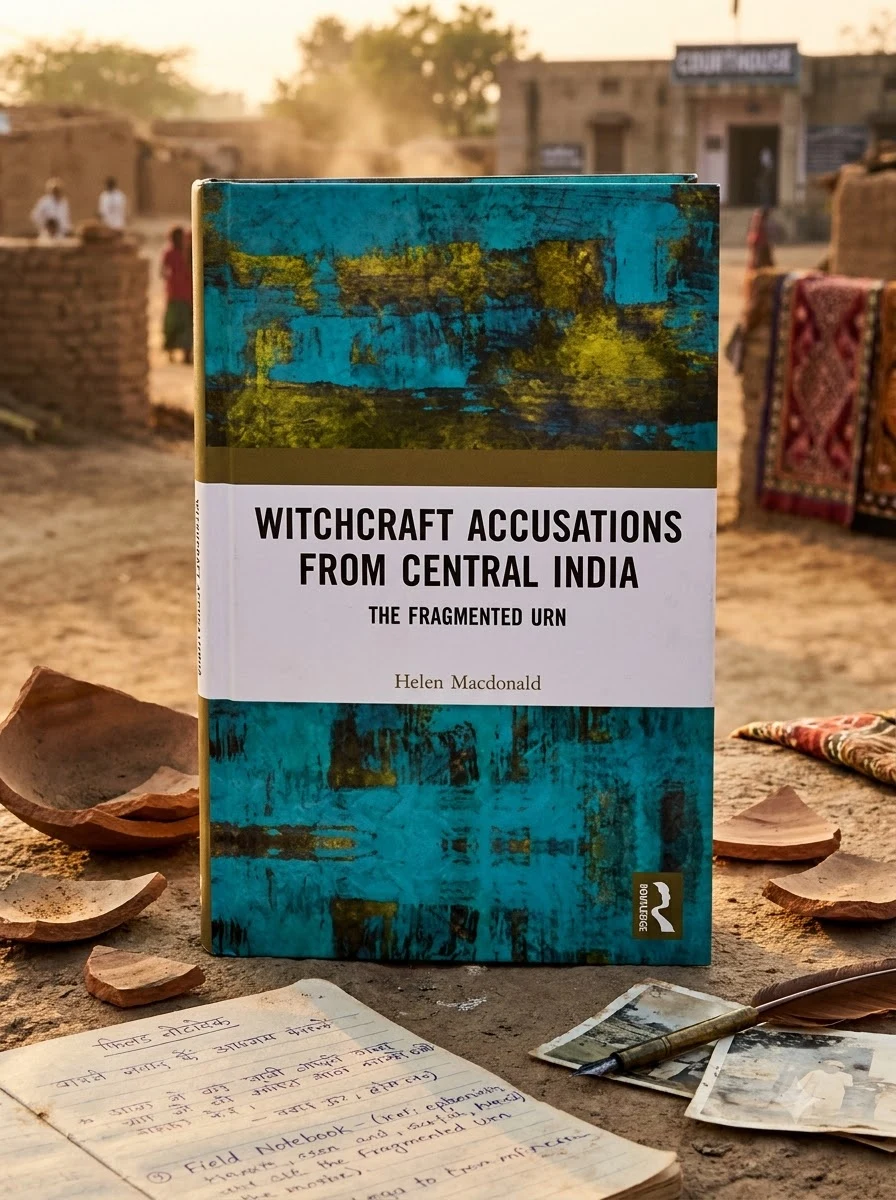
 91
91