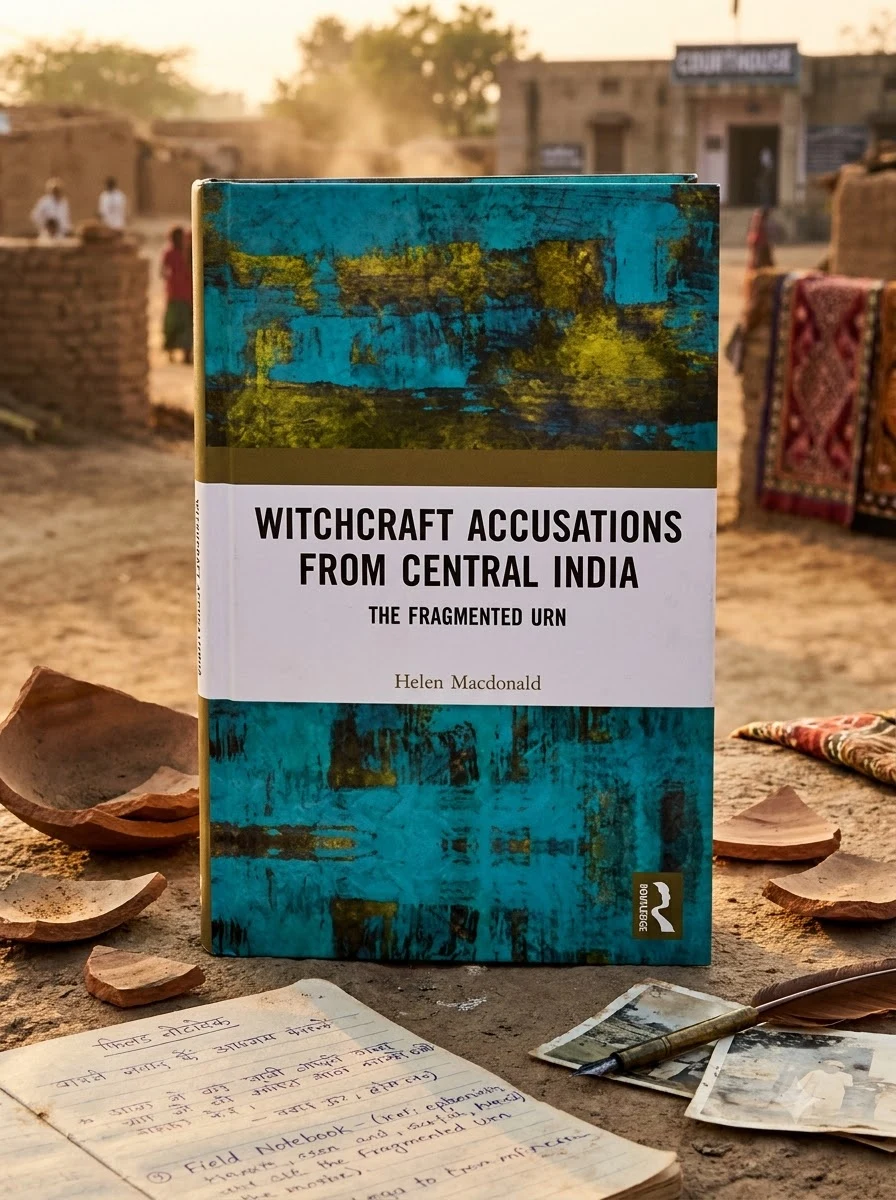
Witchcraft Accusations from Central India: The Fragmented Urn
MacDonald, Helen 85
85
 Editorial score
How we rate
Editorial score
How we rate
Stock reported in the catalog; fulfillment is confirmed with your request.
Unearth the shattered truths of witchcraft accusations in Central India.
Helen MacDonald meticulously reconstructs the complex tapestry of witchcraft accusations in India's Chhattisgarh region. Through extensive ethnographic fieldwork, she weaves together individual narratives, exploring how the figure of the 'witch' shapes social dynamics, gender roles, and power structures. This profound study illuminates the interplay between local beliefs, modern law, and media influence on those accused, offering a nuanced perspective on violence and social exclusion in contemporary society. It's a compelling examination of how ancient fears persist and evolve in a modern world.
This ethnographic study situates itself within contemporary anthropological research on gender-based violence and social exclusion in Central India, specifically Chhattisgarh. It bridges the gap between traditional occult beliefs, modern legal frameworks, and media influence in post-colonial societies.


📝 Description: Witchcraft Accusations from Central India: The Fragmented Urn
💎 Expert review
📖 Why choose it
Why this book is worth reading
Readers deeply invested in the intersection of anthropology, gender studies, and human rights will find this volume indispensable. Helen MacDonald offers a rigorous yet empathetic reconstruction of how witchcraft accusations function as tools for social control and power dynamics in Chhattisgarh. It is essential for scholars and activists seeking to understand the real-world consequences of ancient fears persisting in modern contexts. By weaving together individual narratives with broader structural analysis, the book illuminates the complex interplay between local beliefs and state law. Those wishing to grasp how media influences social exclusion and violence against women will gain profound insights here, making it a vital resource for understanding contemporary societal fractures.
⭐ Reader reviews
Reader rating
MacDonald’s work is a dense, academically rigorous examination of witchcraft accusations in Central India, relying heavily on extensive ethnographic fieldwork. While it provides a nuanced perspective on gender roles and power structures, it is decidedly not suited for casual readers seeking accessible narratives or quick historical overviews. The text demands patience from those unfamiliar with anthropological theory or complex sociological frameworks regarding legal systems and media influence. It may frustrate readers looking for simple solutions to violence or those expecting a traditional 'witchcraft' narrative rather than a structural analysis of social exclusion. However, for those committed to serious academic inquiry, it offers unparalleled depth.
❓ Frequently asked questions
📖 Who should read this
If you're drawn to the intricate dance between belief systems, social justice, and cultural anthropology, or seek to understand the lived experiences behind historical and contemporary witch hunts, this book offers profound insights into human behavior and societal structures.
🎯 Key themes and symbolism
The Witch as Social Symbol
MacDonald masterfully demonstrates how the 'ṭonhī' or witch serves as a potent symbolic figure, defining community boundaries. This symbol dictates who belongs and who is ostracized, revealing deep-seated social anxieties and power struggles within villages, ordering behavior through fear and perceived transgression.
Modernity's Shadow on Tradition
The work critically examines how ancient beliefs about witchcraft intersect with contemporary legal systems, media narratives, and state intervention. It explores the tension between traditional justice and modern governance, highlighting the challenges faced by accused women in a rapidly changing world where old fears meet new institutions.
Gendered Accusations and Agency
At its heart, this research unveils the disproportionate impact of witchcraft accusations on women. MacDonald probes the societal mechanisms that target women, exploring questions of agency, vulnerability, and the systemic ways gender shapes experiences of persecution and justice, often stripping individuals of their power.
💬 Quotes from the book
“Each shard of narrative, painstakingly recovered, reveals not just a personal tragedy but a mirror reflecting the entire social fabric of a community under strain.”
“The witch figure, far from a relic of the past, remains a potent, active force for defining who belongs and who is cast out from the communal embrace.”
📜 Historical context
📚 Glossary
- Ethnography
- ṭonhī
- Agency
📔 Questions to reflect on
- How do you see contemporary media narratives shaping public perception of marginalized groups, similar to how witchcraft accusations once did?
- Reflect on a time you witnessed social exclusion. How might underlying anxieties, power dynamics, or fear have contributed to it?
- Consider the role of law in your own society. Does it always protect the vulnerable, or can it sometimes perpetuate existing inequalities, even unintentionally?
✍️ More books by this author MacDonald, Helen
All books by this author →
🏛 Books from this publisher Routledge India
All books from this publisher →
 85
85
You might also like
See more →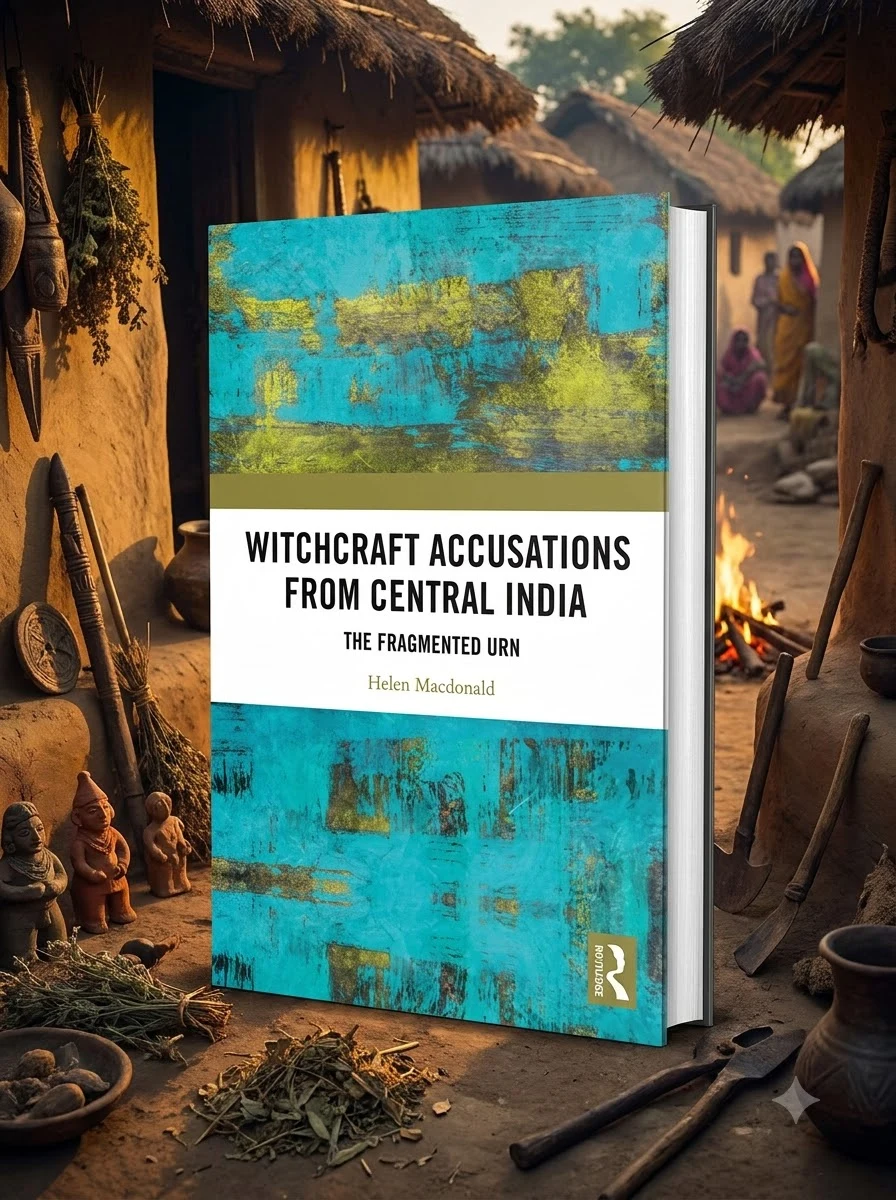
 91
91