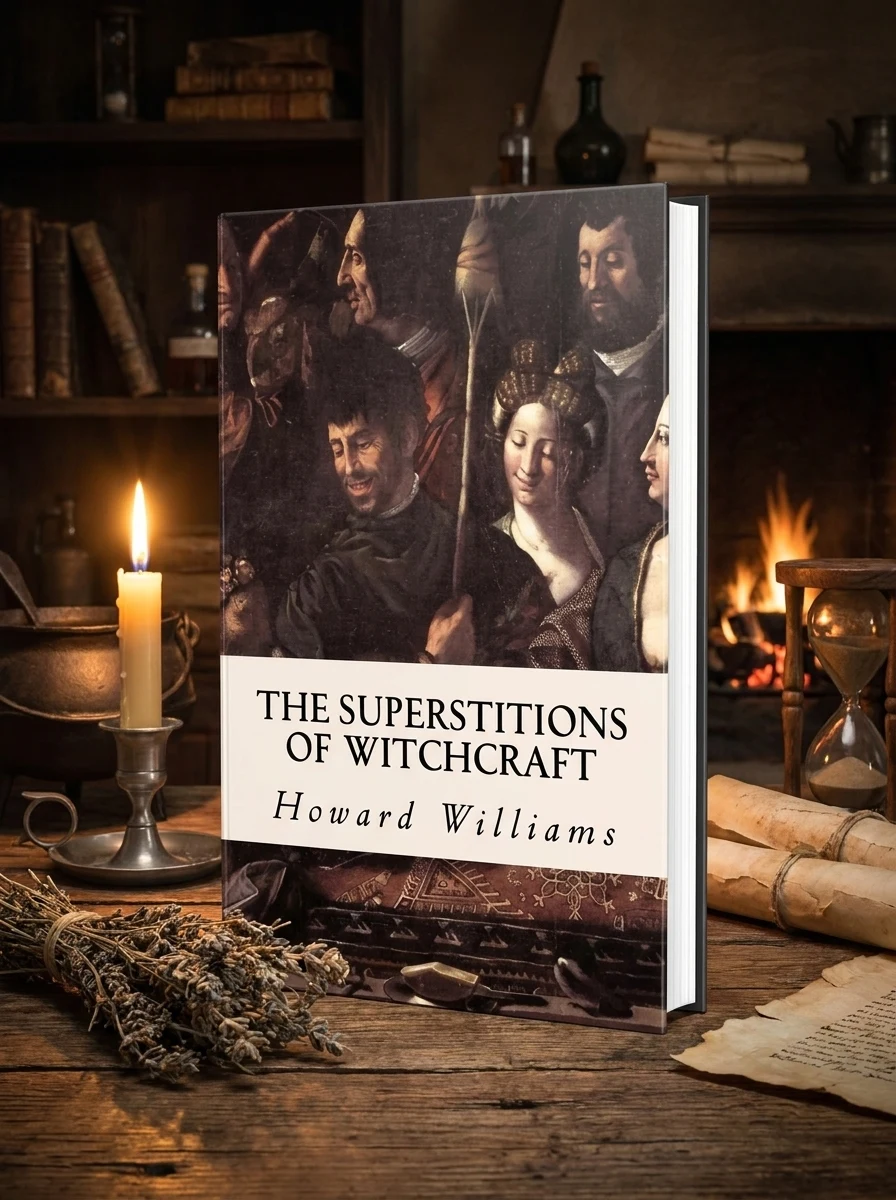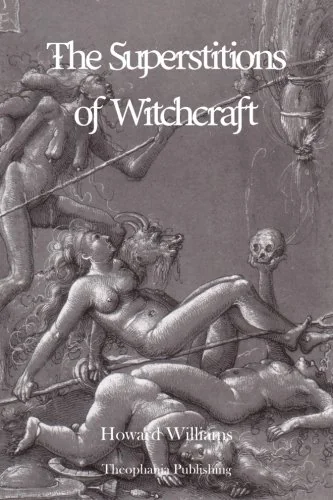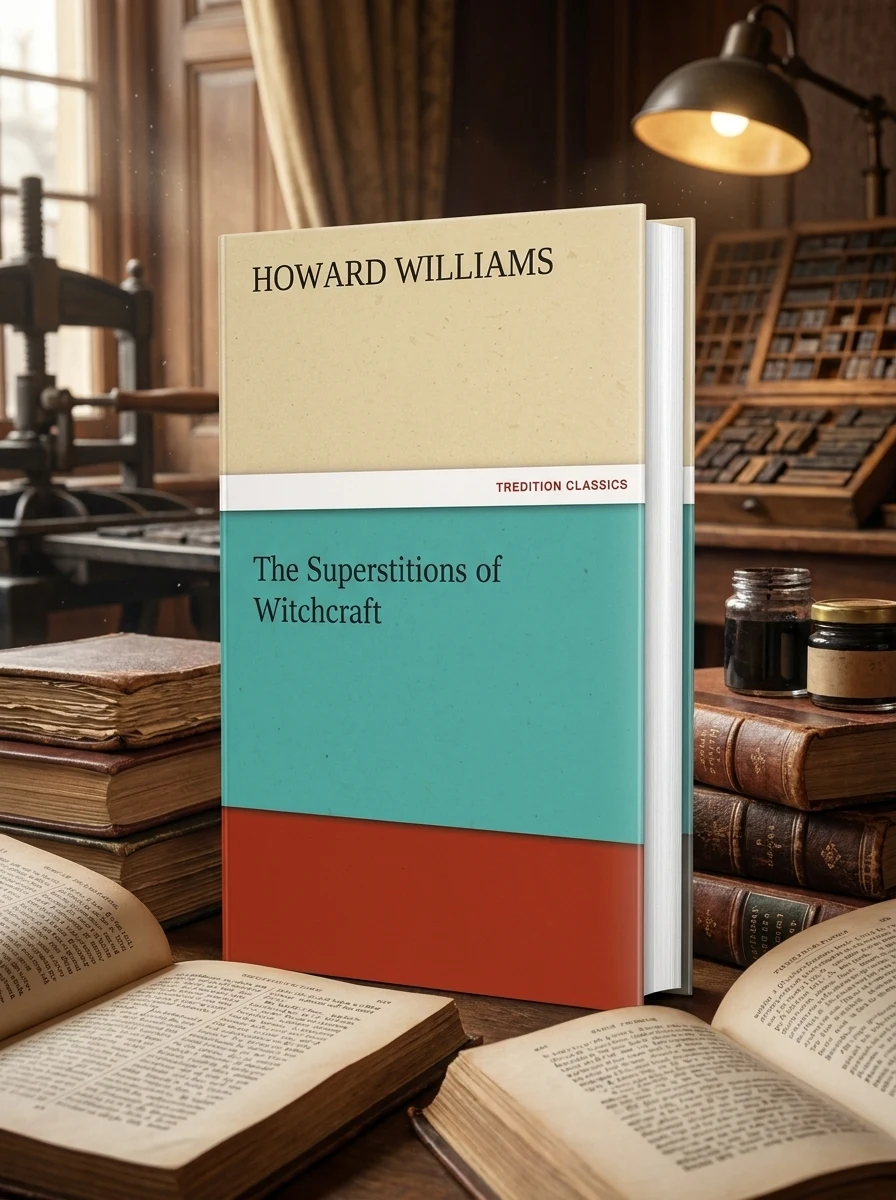
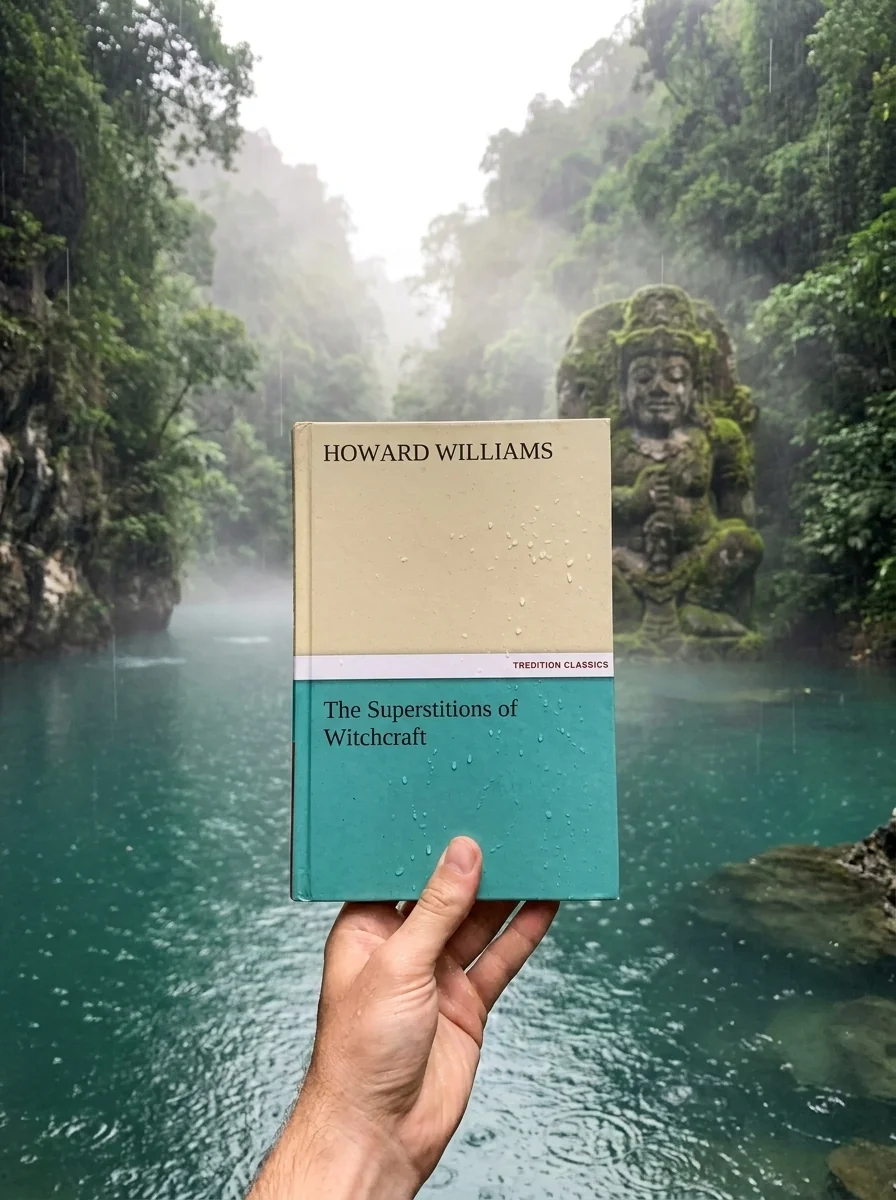
The Superstitions of Witchcraft
✍️ Williams, HowardThis seminal work by Howard Williams meticulously dissects the historical and cultural phenomena surrounding witchcraft. Rather than a guide to practice, it offers a scholarly examination of the beliefs, fears, and societal reactions that shaped perceptions of magic and those accused of its practice. Williams probes the origins of common "superstitions," revealing how they were codified and understood within various historical contexts. It's an essential text for anyone seeking to understand the intellectual journey through which witchcraft was both feared and mythologized.


📝 Description: The Superstitions of Witchcraft
💎 Expert review
📖 Why choose it
Why this book is worth reading
Readers with a deep interest in the sociological and historical underpinnings of witchcraft will find immense value here. Howard Williams offers a rigorous, scholarly dissection of the fears and beliefs that shaped societal reactions to magic, rather than providing practical guidance. This text is essential for those seeking to understand the intellectual journey of how witchcraft was mythologized and feared throughout history. It appeals to historians, researchers, and serious students of esoteric traditions who wish to separate historical fact from folklore. By probing the origins of common superstitions, Williams reveals how these narratives were constructed within specific historical contexts. If you are looking for a dry, academic exploration of the cultural tapestry surrounding witchcraft, this book provides the necessary depth and clarity.
⭐ Reader reviews
Reader rating
Williams delivers a meticulous scholarly examination that dissects the cultural phenomena surrounding witchcraft with precision. It is an important text for understanding how societal fears codified into myth. However, readers seeking practical spells, modern Wiccan practice, or romanticized fantasy will find this dry and unsuitable. The book is not a guide to magic but a study of the intellectual history behind its perception. It may feel dense to those unfamiliar with academic historiography. While it successfully unravels historical threads, it lacks the accessibility needed for casual occult enthusiasts. It is strictly for those interested in the 'why' and 'how' of witchcraft's reputation rather than its practice.
❓ Frequently asked questions
📖 Who should read this
If you're fascinated by the historical and cultural construction of witchcraft, rather than its practice, this book is for you. It offers a scholarly, analytical perspective on how "superstitions" shaped societal views on magic throughout the ages.
🎯 Key themes and symbolism
Historical View on Witchcraft
Williams offers a critical lens on how witchcraft was historically defined and demonized. He traces the evolution of beliefs, from ancient practices to the fervent accusations of later eras, highlighting the cultural anxieties that fueled these narratives and their impact on societies.
Superstition and Society
The book delves into the psychological and sociological roots of superstition, particularly as it relates to magical practices. It explores how collective fears and misunderstandings coalesced into widespread beliefs about witches, examining their profound impact on social structures and individual lives throughout history.
The Nature of Belief
Beyond specific practices, Williams contemplates the broader human capacity for belief in the unseen and the extraordinary. He analyzes how reason and irrationality intersect when confronting phenomena perceived as supernatural, providing insight into the human psyche's engagement with the arcane and its consequences.
📜 Historical context
📚 Glossary
- Superstition
- Supernatural
- Demonology
📔 Questions to reflect on
- How do modern understandings of psychology and sociology help us re-evaluate historical beliefs about witchcraft and superstition?
- Consider a contemporary "superstition" or belief system. How might a future scholar analyze its origins and societal impact, similar to Williams's approach?
- In what ways do fear and the unknown still shape collective narratives and beliefs in our current society?