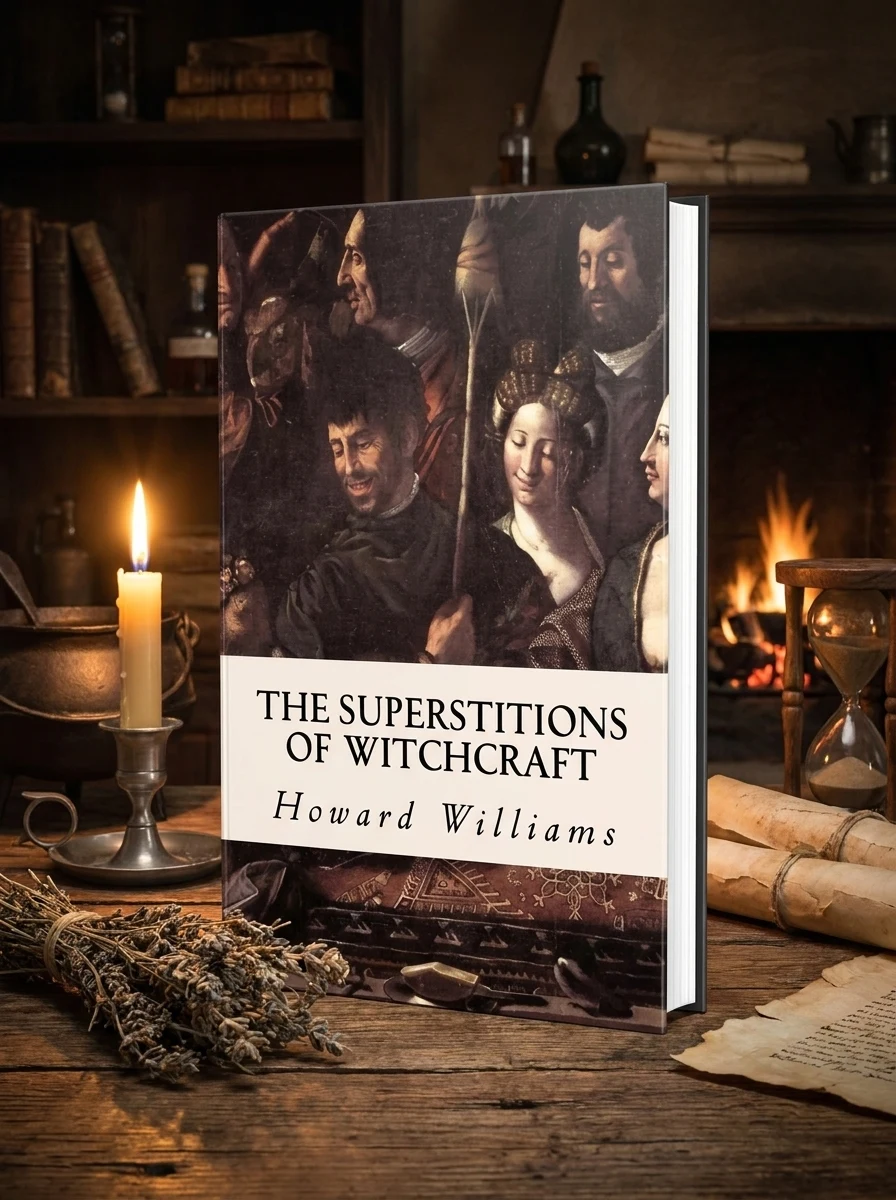
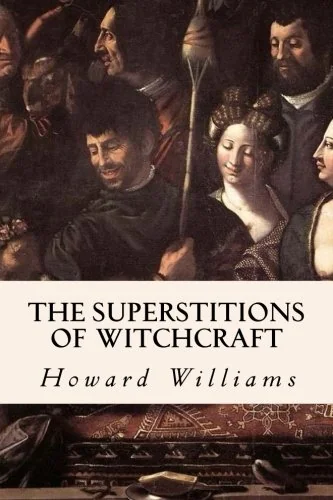
The Superstitions of Witchcraft
✍️ Williams, HowardA historic review examining seventeenth century witchcraft creeds and their characteristic forms.
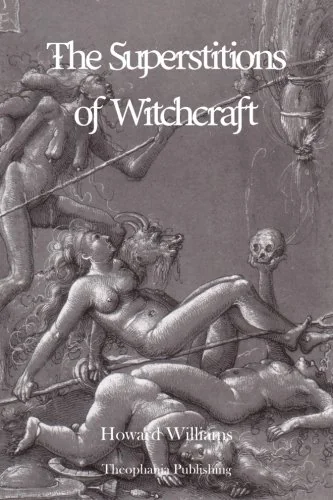
The Superstitions of Witchcraft presents a consecutive review examining the characteristic forms and facts of a historical belief system. The text looks directly at a creed that was living and lively during the seventeenth century. Though this belief is harmless or apparently dead in Christendom at present, the book traces how its active influence once shaped European society. Howard Williams authored this 162-page volume, which standardizes historical accounts of early magical practices and public panics.
This text addresses a historical creed that was living and lively in Christendom during the seventeenth century, contrasting that period with its harmless state in later times.


📝 Description: The Superstitions of Witchcraft
💎 Expert review
📖 Why choose it
Why this book is worth reading
Readers seeking a deep understanding of the historical roots of Western fear and superstition will find this work invaluable. Howard Williams provides a meticulous charting of how witchcraft manifested as a formidable creed, influencing societal structures and daily anxieties, particularly during the seventeenth century. It is essential for those interested in the transition from vibrant belief systems to modern skepticism, offering a clear view of how these notions once shaped cultural identity and collective behavior.
⭐ Reader reviews
Reader rating
Williams delivers a compelling historical review that illuminates the potent influence of witchcraft beliefs on Western society. The sequential examination of its characteristic forms offers clarity on a complex subject. However, this text does not suit readers seeking practical magical instruction or contemporary Wiccan theology. It is strictly an academic exploration of past fears and societal impact rather than a guide for modern practitioners or those expecting fictional narratives about the occult.
❓ Frequently asked questions
📖 Who should read this
If you're drawn to the intricate history of societal beliefs, the evolution of religious thought, or the cultural impact of magical fears, this scholarly exploration of witchcraft's past offers a compelling journey into a pivotal historical phenomenon.
🎯 Key themes and symbolism
Historical Arc of Belief
Explores how witchcraft, once a formidable and active force in European thought, gradually transformed from a pervasive fear into a perceived relic of the past within Christian societies, analyzing the factors that led to this decline and recontextualization over time.
Superstition's Enduring Forms
Details the consistent patterns and characteristics that defined various magical beliefs across different eras, examining their underlying logic, commonalities, and societal implications as they manifested in diverse cultural contexts throughout history.
Societal Impact of Witchcraft
Investigates the profound ways in which witchcraft beliefs permeated everyday life, influencing laws, social interactions, and the collective psyche, especially during its peak in the 17th century when fears of sorcery were at their most intense and widespread.
📜 Historical context
📚 Glossary
- Christendom
- Superstition
- Creed
📔 Questions to reflect on
- How do societal fears today resemble or differ from the anxieties surrounding witchcraft in the 17th century?
- Reflect on how beliefs, even those now deemed "superstitious," can exert profound influence on culture, law, and social control.
- Consider the shift from perceiving witchcraft as a "living creed" to a "harmless curiosity." What societal factors contribute to such transformations over time?