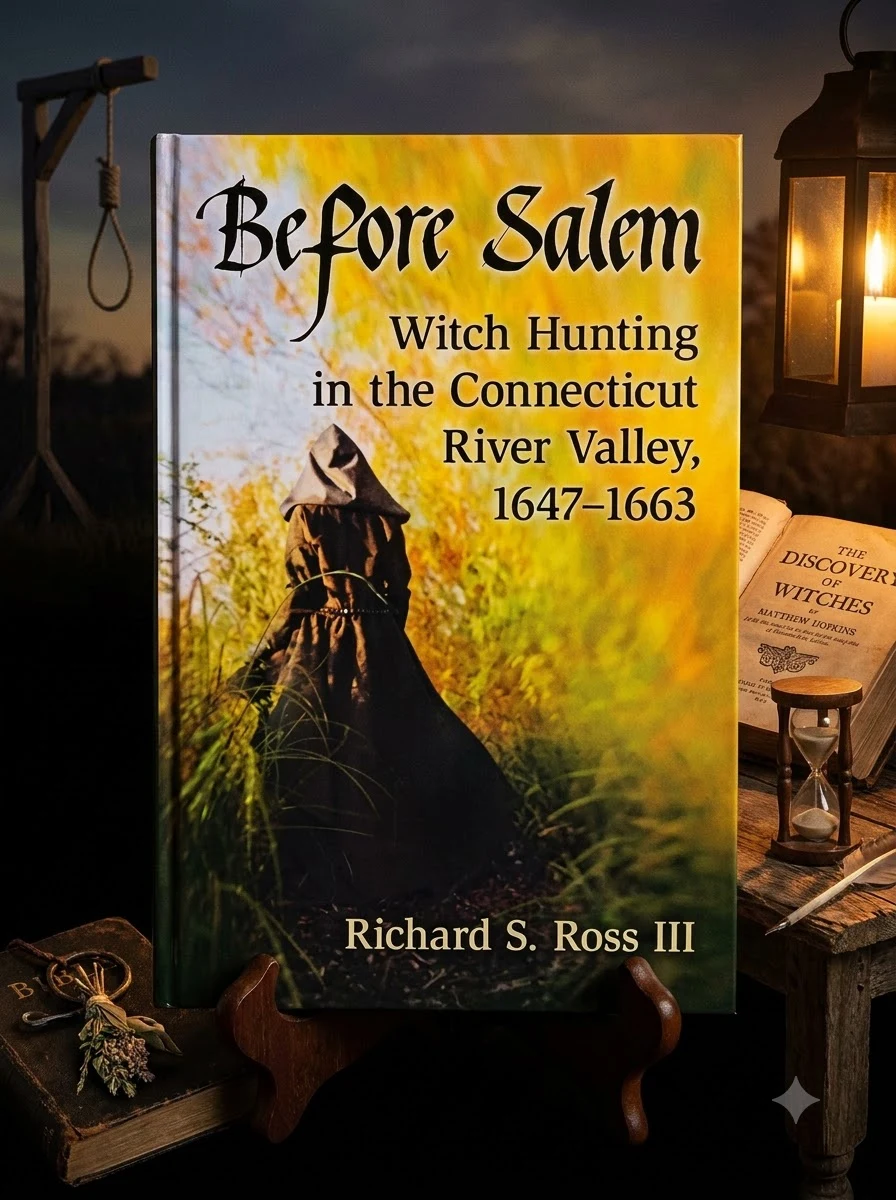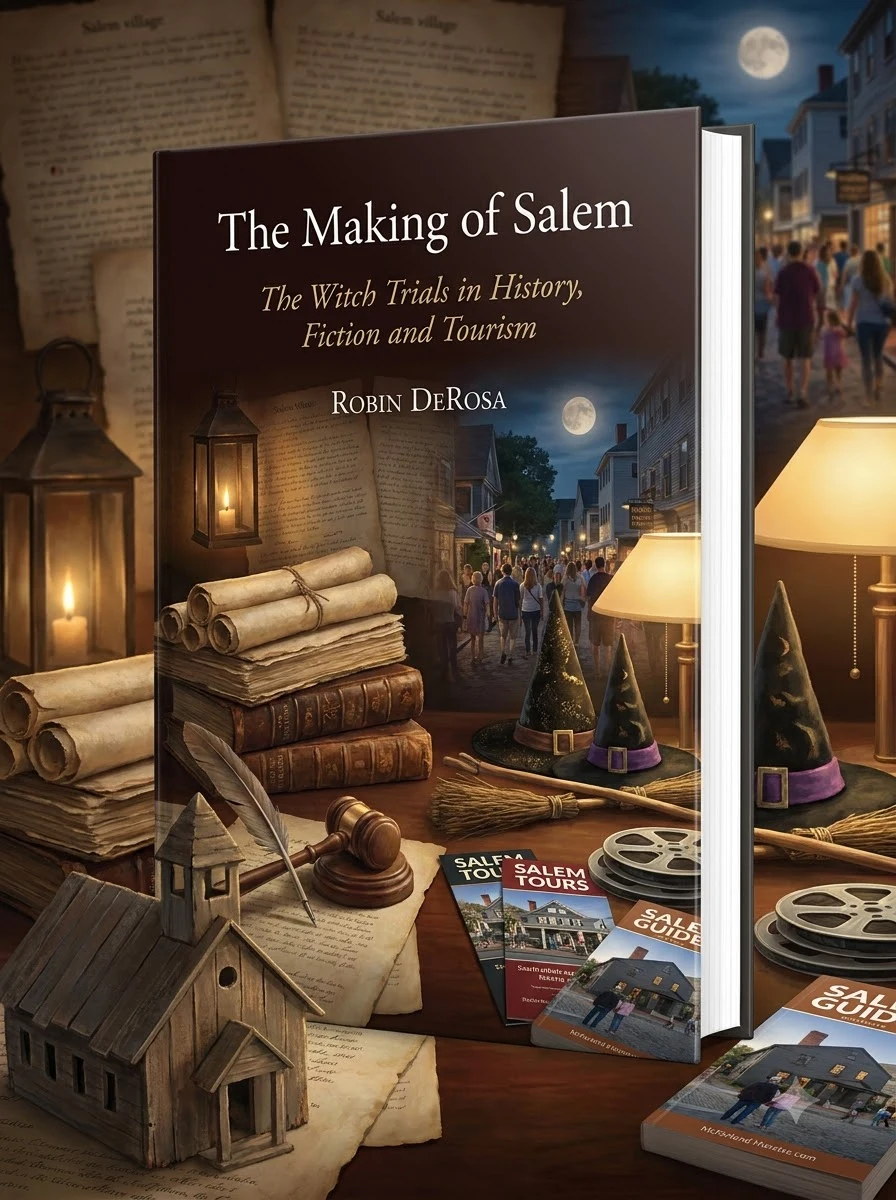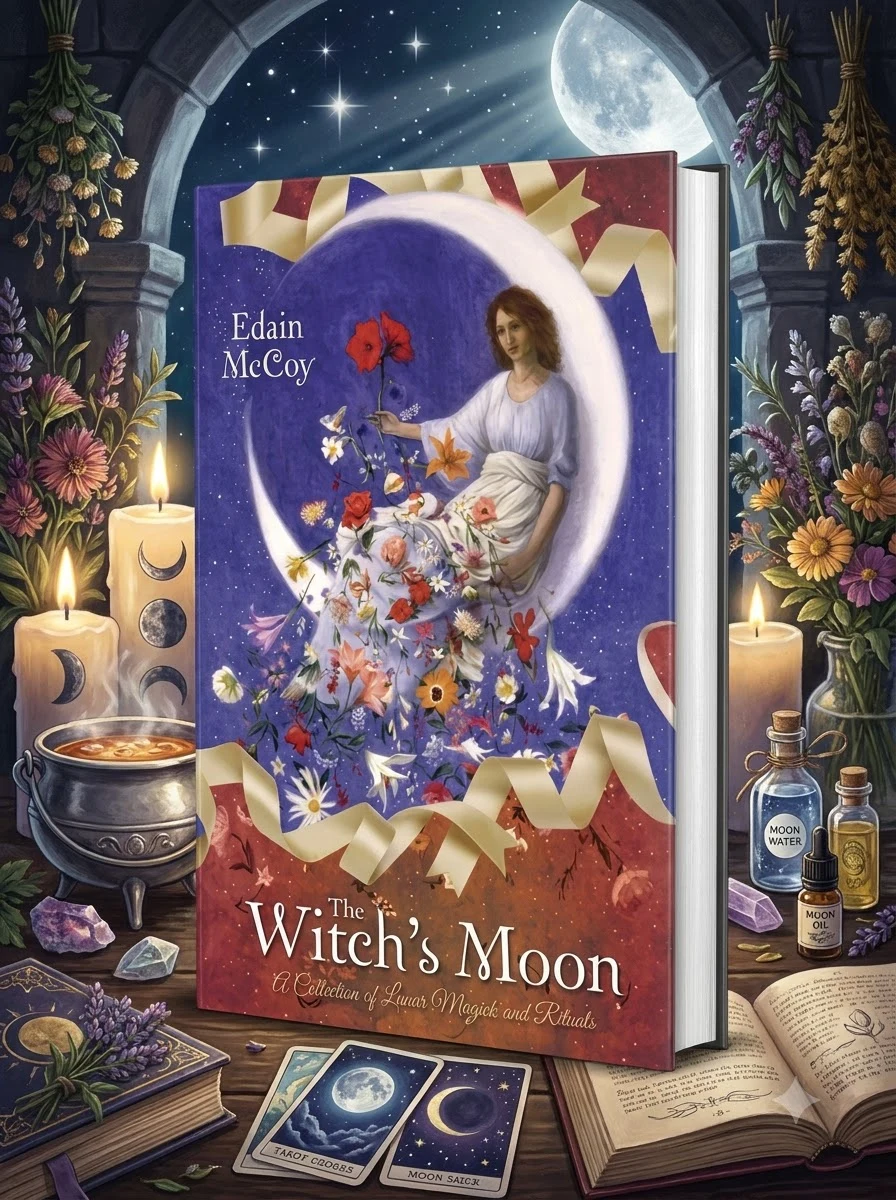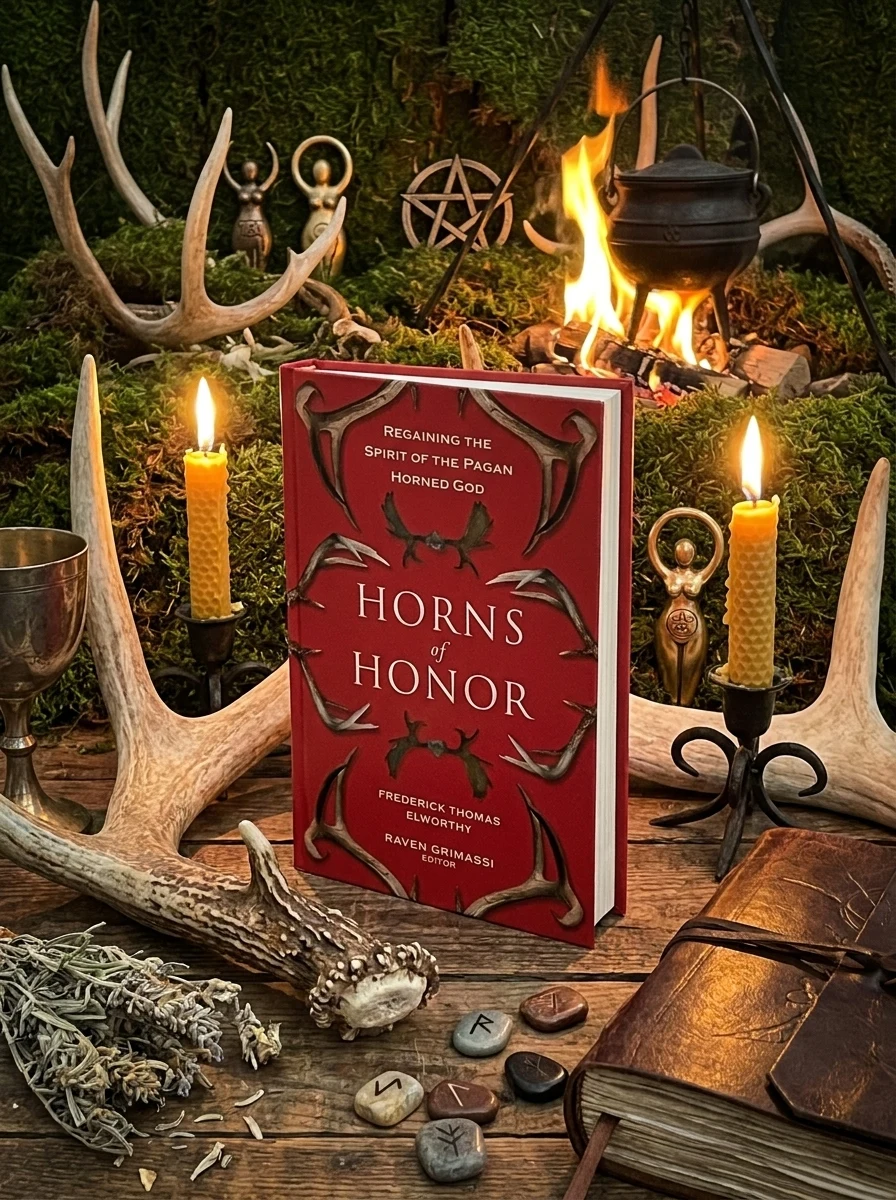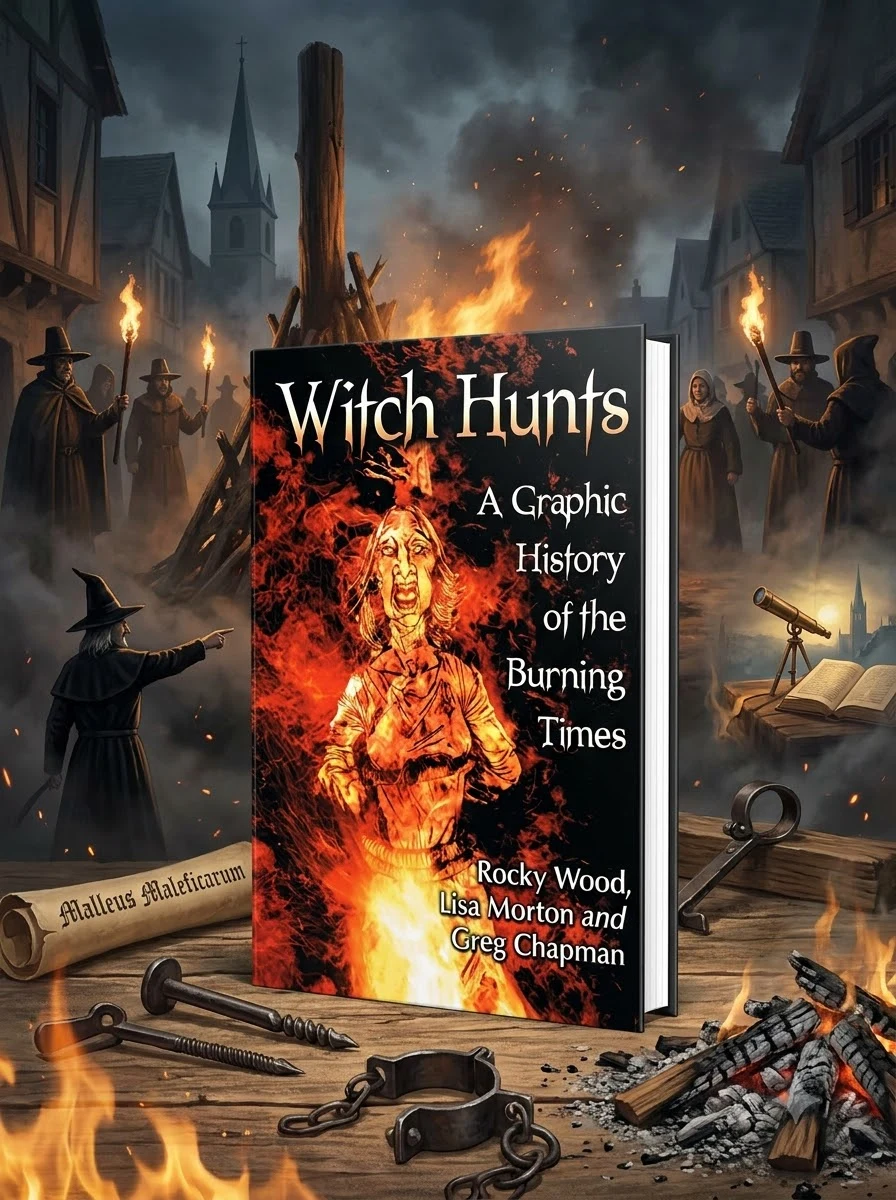
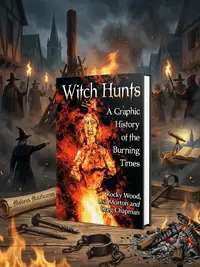
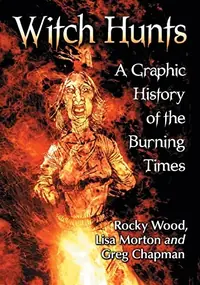
Witch Hunts: A Graphic History of the Burning Times
Stock reported in the catalog; fulfillment is confirmed with your request.
Uncover the chilling saga of fear and persecution that scarred centuries of European history.
This compelling graphic history plunges into the dark era known as the "Burning Times," spanning three centuries of terror. From the societal upheaval of the Black Death and the Reformation, it meticulously charts how tens of thousands were accused, tortured, and executed as witches. The narrative explores the motivations behind the hunts, the brutal methods employed by figures like Heinrich Kramer and Matthew Hopkins, and the courageous individuals who dared to resist. It culminates with the gradual triumph of reason and science, culminating in the last European executions and a look at the Salem Witch Trials.
This work situates itself within the broader historical narrative of European persecution during the early modern period, specifically focusing on the societal impacts of the Black Death and the Reformation. It serves as a visual chronicle of the 'Burning Times,' bridging the gap between academic history and accessible graphic storytelling.


📝 Description: Witch Hunts: A Graphic History of the Burning Times
💎 Expert review
📖 Why choose it
Why this book is worth reading
Readers fascinated by the intersection of religious upheaval and social terror will find this graphic history deeply engaging. It offers a visceral understanding of how fear scarred centuries of European life, making abstract historical concepts tangible through visual narrative. The book is particularly valuable for those seeking to understand the motivations behind the hunts and the brutal methods employed by figures like Heinrich Kramer and Matthew Hopkins. By highlighting both the victims and the courageous resisters, it provides a balanced yet chilling perspective on this dark era. It is an essential read for anyone wanting to grasp the gradual triumph of reason over superstition, culminating in the last European executions and the infamous Salem Witch Trials.
⭐ Reader reviews
Reader rating
This graphic history delivers a compelling plunge into the 'Burning Times,' effectively charting three centuries of terror from the Black Death to the rise of science. The visual format makes the meticulous details of accusations and executions accessible and impactful for general audiences. However, scholars seeking deep academic analysis or primary source citations may find it too simplified. Additionally, readers expecting a focus on modern Wiccan practices rather than historical persecution might be disappointed by its strict adherence to the early modern European context. It is not suited for those who prefer dry textual historiography over narrative-driven visual storytelling.
❓ Frequently asked questions
📖 Who should read this
If you're drawn to compelling historical narratives, appreciate the power of visual storytelling, or seek to understand humanity's darker chapters, this graphic history offers a profound and accessible journey into a harrowing past. It's perfect for those curious about the origins of mass hysteria and the triumph of reason.
🎯 Key themes and symbolism
Roots of Persecution
The book brilliantly contextualizes the witch hunts, illustrating how societal anxieties like the Black Death and the schisms of the Reformation created fertile ground for mass hysteria. It delves into the profound fear and instability that allowed such widespread persecution to take root, offering a crucial understanding of the era's mindset and the desperate search for scapegoats.
Mechanics of Accusation
Readers gain insight into the chilling operational aspects of the witch hunts, from the specific methods of interrogation and torture to the prominent figures who orchestrated them. By examining the roles of notorious witch hunters and the flawed judicial processes, the book reveals the systemic nature of the injustices and the tragic human cost of unchecked power and superstition.
Dawn of Reason
This history highlights the eventual decline of the witch craze, attributing it to the burgeoning ideals of the Enlightenment. It traces the gradual shift from fear and blind faith towards scientific inquiry and rational thought, demonstrating how new intellectual currents ultimately challenged and dismantled the foundations of the witch hunts, paving the way for a more just society.
💬 Quotes from the book
“The plague's shadow deepened, and with it, the hunt for spectral scapegoats began.”
“Yet, from the ashes of fanaticism, a new light of inquiry dared to shine.”
📜 Historical context
📚 Glossary
- Malleus Maleficarum
- Witchfinder General
- Burning Times
📔 Questions to reflect on
- How do societal anxieties and fear, much like those during the 'Burning Times,' manifest in modern contexts, and what lessons can we draw from history?
- Reflect on the role of powerful individuals, like the witch hunters discussed, in shaping public opinion and perpetrating injustice. What responsibility do we have to challenge such figures?
- Consider the transition from superstition to scientific reasoning. How does this historical shift inform our understanding of critical thinking and media literacy today?
🏛 Books from this publisher McFarland & Company
All books from this publisher →


 88
88

You might also like
See more →