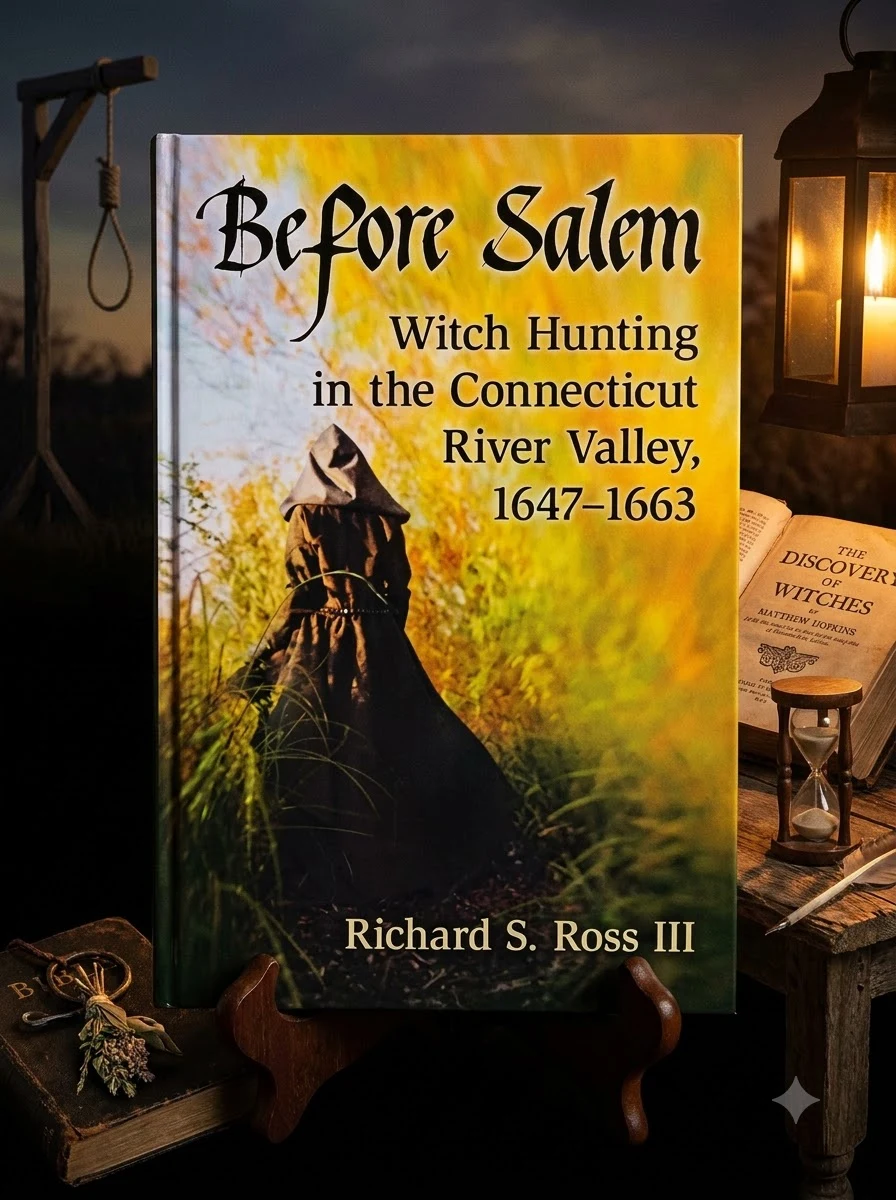
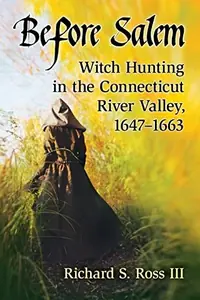
Before Salem: Witch Hunting in the Connecticut River Valley, 1647-1663
Stock reported in the catalog; fulfillment is confirmed with your request.
Uncover the chilling, lesser-known origins of American witch hunts, decades before Salem.
Step back into the mid-17th century Connecticut River Valley, where a dark chapter of colonial history unfolded long before the infamous Salem trials. This compelling study meticulously chronicles the witch hysteria that led to eleven executions between 1647 and 1663. Delving into the profound influence of England's tumultuous Civil War and the notorious methods of Matthew Hopkins, the book dissects the societal dynamics, accusations of demonic possession, and the peculiar role of apotropaic magic. It illuminates how a progressive magistrate eventually curbed the frenzy, yet its echoes profoundly shaped later understandings of witchcraft in New England.
This work sits firmly within the historiography of early American colonial studies and the specific niche of pre-Salem witchcraft research, examining the legal and social mechanisms of 17th-century New England. It contributes to the broader academic discourse on how European civil conflicts and figures like Matthew Hopkins influenced transatlantic judicial practices regarding alleged demonic possession.


📝 Description: Before Salem: Witch Hunting in the Connecticut River Valley, 1647-1663
💎 Expert review
📖 Why choose it
Why this book is worth reading
Readers with a deep fascination for the foundational myths of American history will find this book indispensable. It offers a crucial corrective to the Salem-centric narrative by revealing the earlier, violent precedents set in the Connecticut River Valley. Those interested in the intersection of theology, law, and social panic during the English Civil War era will appreciate the detailed analysis of how external political tensions fueled local hysteria. This text is particularly valuable for historians and enthusiasts who seek to understand the structural roots of witchcraft accusations, providing a rigorous examination of the eleven executions that occurred decades before the more famous trials, thereby illuminating the persistent cultural anxieties of the period.
⭐ Reader reviews
Reader rating
Ross delivers a meticulous, albeit dense, account of the Connecticut River Valley’s witch hunts. The strength lies in its contextualization within England’s Civil War and the influence of Matthew Hopkins, offering a sophisticated view of legal dynamics. However, this book is not for casual readers seeking a thrilling narrative or accessible prose; it is a scholarly work requiring patience with historical detail. It may disappoint those expecting broad generalizations about Salem, as it focuses strictly on earlier regional events. The dry, analytical tone prioritizes academic rigor over emotional engagement, making it best suited for those willing to wade through primary source implications rather than those looking for dramatic storytelling or easy-to-digest summaries.
❓ Frequently asked questions
📖 Who should read this
If you're fascinated by the lesser-known corners of early American history, the origins of colonial superstition, or the complex social dynamics of witch hunts, this book is essential. It offers a crucial foundation for understanding the later, more famous trials.
🎯 Key themes and symbolism
Early Colonial Witchcraft
This work meticulously unveils the first significant wave of witch hunting in colonial America, specifically within the Connecticut River Valley. It highlights a period often overshadowed by Salem, demonstrating that the terror of accusations and executions was a grim reality for New Englanders far earlier than commonly understood, setting a grim precedent for future events.
Transatlantic Influences
The author expertly traces the direct lineage of witch hunting practices from England to the American colonies. Readers will discover how the chaos of the English Civil War and the pioneering, albeit brutal, 'techniques' of figures like Matthew Hopkins profoundly shaped the investigative and prosecutorial methods employed in the early New England trials.
Societal and Spiritual Dynamics
Beyond legal proceedings, the book explores the intricate social fabric of the time, examining how beliefs in demonic possession, the practice of protective 'apotropaic' magic, and the significant authority of the colonial clergy converged to fuel the hysteria. It offers insight into the anxieties and superstitions that underpinned these tragic events.
💬 Quotes from the book
“The Connecticut River Valley trials predated the infamous Salem events by decades, forging a grim precedent in colonial justice.”
“The shadow of Matthew Hopkins' 'Witchfinder General' tactics undeniably extended across the Atlantic, shaping the early examinations in the colonies.”
📜 Historical context
📚 Glossary
- Apotropaic Magic
- Demonic Possession
- Matthew Hopkins
📔 Questions to reflect on
- Reflect on how historical events like the English Civil War can ripple across continents and shape localized social anxieties, even decades later.
- Consider the role of 'progressive magistrates' in quelling hysteria. What qualities or insights might allow an individual to challenge prevailing societal fear?
- How might the accusations of 'demonic possession' and 'apotropaic magic' reflect underlying social tensions or misunderstandings within colonial communities?
🏛 Books from this publisher McFarland & Company
All books from this publisher →


 88
88
You might also like
See more →
 91
91