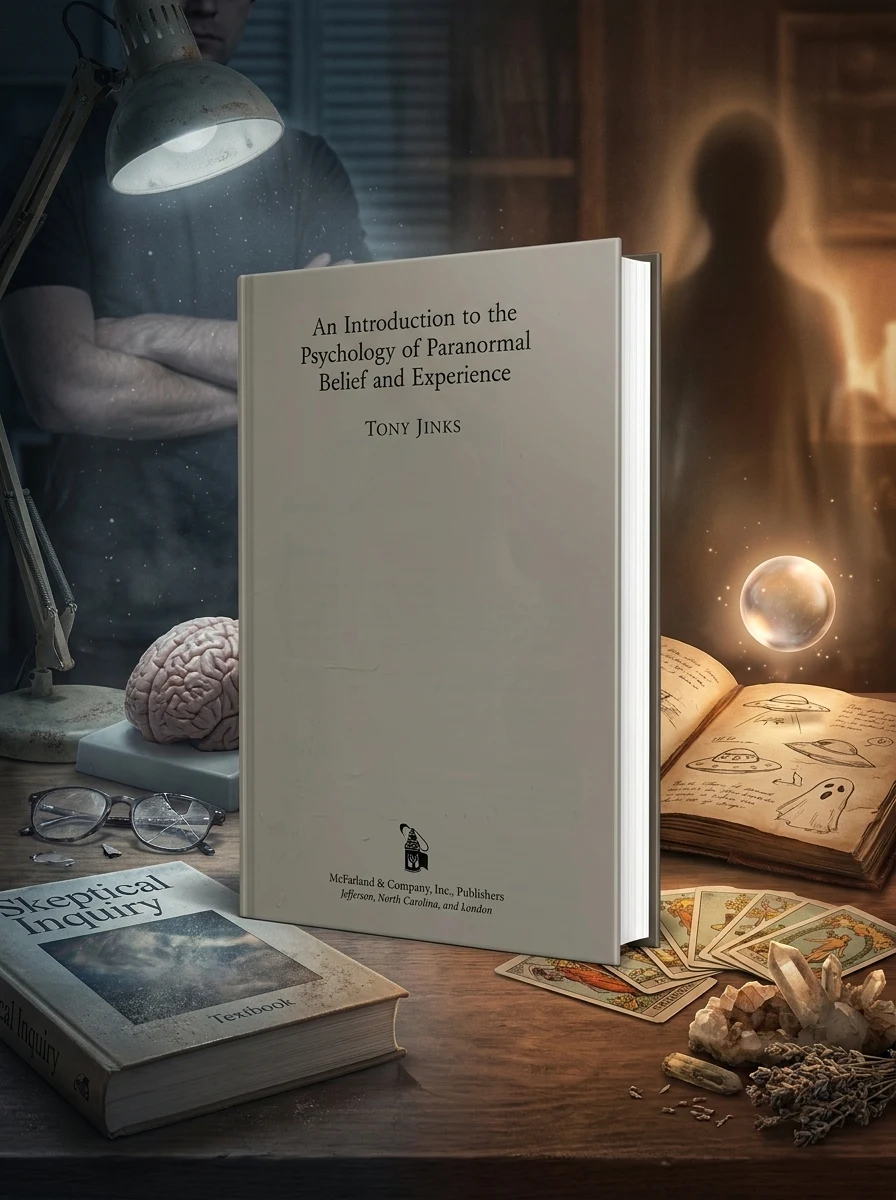
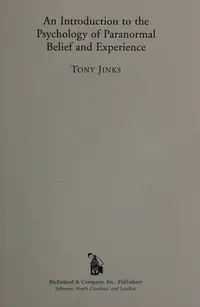
An Introduction to the Psychology of Paranormal Belief and Experience
Jinks, TonyStock reported in the catalog; fulfillment is confirmed with your request.
Unravel the complex dance between paranormal claims and psychological explanations.
Delve into the fascinating intersection where human psychology meets the unexplained. Tony Jinks masterfully explores how conventional psychological frameworks often attempt to categorize or dismiss experiences like telepathy, UFO sightings, or ghostly encounters. Far from merely debunking, this insightful study offers a nuanced perspective on the prevailing scientific responses to claims of the supernatural. It critically examines the common psychological explanations, revealing their strengths and limitations, and ultimately illuminates the intricate, often misunderstood, connection between our minds and the mysteries that defy easy answers.
This work sits at the critical intersection of parapsychology and cognitive science, reflecting a modern scholarly effort to demystify supernatural claims through rigorous psychological analysis rather than mere skepticism.


📝 Description: An Introduction to the Psychology of Paranormal Belief and Experience
💎 Expert review
📖 Why choose it
Why this book is worth reading
Readers who find themselves caught between the allure of the paranormal and the demand for rational explanation will find immense value in this nuanced exploration. Tony Jinks does not simply dismiss spiritual experiences as delusions; instead, he invites you to understand the complex psychological machinery behind them. If you have ever wondered why telepathy or ghostly encounters feel so real, or if you seek to bridge the gap between scientific rigor and esoteric experience, this book offers a compassionate yet critical framework. It is essential for those who wish to respect the depth of human mystery without abandoning intellectual honesty, providing clarity where others offer only confusion or dogma.
⭐ Reader reviews
Reader rating
Jinks provides a sophisticated examination of how psychological frameworks attempt to categorize the unexplainable, offering a balanced view that respects both scientific inquiry and subjective experience. However, this text is not for those seeking definitive proof of supernatural phenomena or those who prefer mystical literature devoid of critical analysis. It may disappoint readers looking for simple validation of their paranormal beliefs, as it rigorously interrogates the limitations of conventional explanations. The work demands a willingness to engage with complex psychological concepts and accept that some mysteries defy easy categorization, making it unsuitable for casual readers seeking straightforward answers or entertainment.
❓ Frequently asked questions
📖 Who should read this
If you've ever pondered why people believe in ghosts, telepathy, or UFOs, or how science attempts to categorize such phenomena, this book is for you. It offers a crucial framework for understanding the psychological dimensions of extraordinary claims, fostering deeper, nuanced insight.
🎯 Key themes and symbolism
Explaining the Unexplainable
This book meticulously dissects the prevalent psychological interpretations applied to paranormal events. It investigates why mainstream thought so often defaults to explanations like cognitive biases, misperception, or even mental health issues when confronted with extraordinary claims, revealing the underlying assumptions and potential oversights in such dismissals.
Beyond Simple Dismissal
Rather than taking a purely reductionist stance, Jinks encourages a more sophisticated understanding of psychological frameworks. The work scrutinizes how concepts like perception, memory, and suggestion are applied to paranormal narratives, highlighting both their valid contributions and instances where they fall short of fully explaining anomalous experiences.
Bridging Mind and Mystery
At its core, the text clarifies the often-contentious relationship between academic psychology and the realm of the supernatural. It seeks to establish a more thoughtful dialogue, exploring how psychological principles can inform our understanding of paranormal claims without necessarily invalidating the experiences themselves, fostering a richer inquiry.
💬 Quotes from the book
“Simply attributing extraordinary claims to 'mistaken perception' or 'mental illness' often reveals more about the observer's discomfort than a genuine understanding of the experience.”
“Our task is not to validate or invalidate every paranormal claim, but to clarify the intricate psychological mechanisms through which such experiences are perceived, interpreted, and communicated.”
📜 Historical context
📚 Glossary
- Telepathy
- Cognitive Bias
- Anomalous Experience
📔 Questions to reflect on
- How do my own biases influence my interpretation of extraordinary claims, both personal and reported?
- Consider a "paranormal" experience you've heard about or had. How might various psychological explanations (e.g., misperception, suggestion) apply, and where might they fall short?
- In what ways can a psychological understanding of belief enhance or detract from the perceived wonder or mystery of phenomena often labeled "supernatural"?
✍️ More books by this author Jinks, Tony
All books by this author →
🏛 Books from this publisher McFarland & Company
All books from this publisher →
 88
88
You might also like
See more →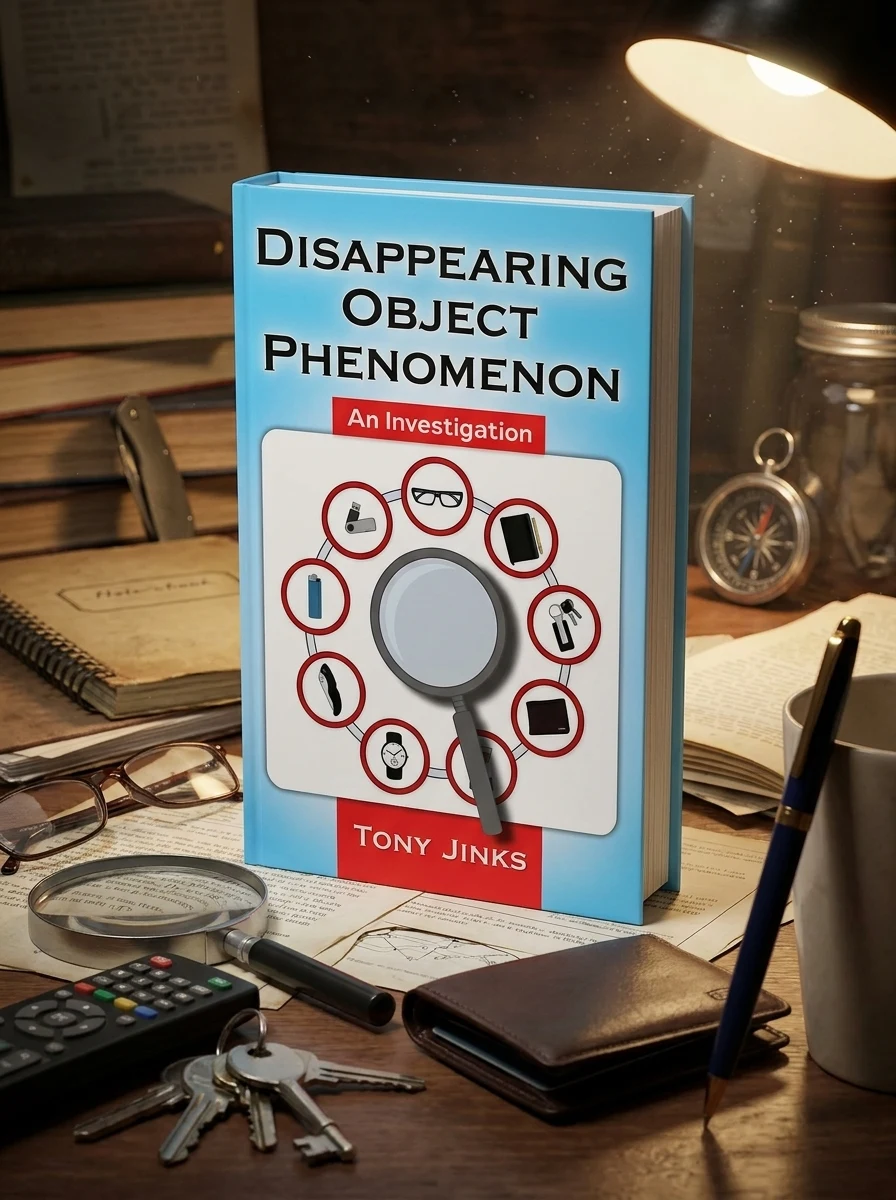
 88
88