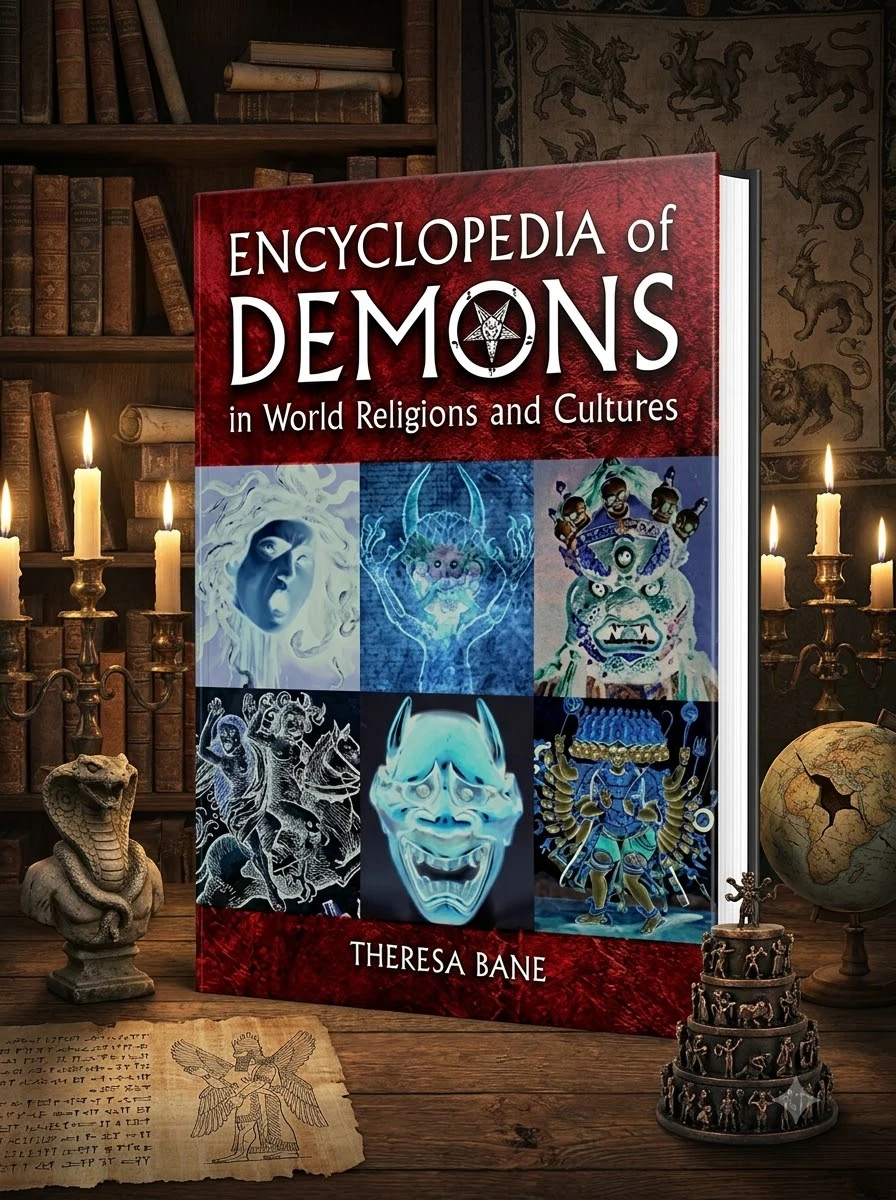
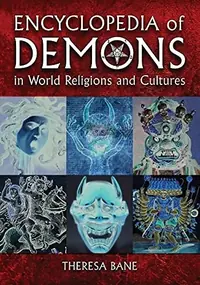
Encyclopedia of Demons in World Religions and Cultures
Bane, TheresaStock reported in the catalog; fulfillment is confirmed with your request.
Unmask the myriad faces of darkness across every culture and creed.
This monumental compendium unveils almost three thousand demonic entities from the tapestry of world mythologies and spiritual traditions. From the serpent-headed Aamon of Christian lore to the thunderous, avian Zu of Sumerian belief, each entry meticulously details their beginnings, terrifying forms, and profound cultural impact. Discover the intricate hierarchies of infernal realms and the diverse species of malevolent spirits said to plague humanity, meticulously organized for comprehensive exploration.
This volume serves as a comprehensive reference within the field of comparative mythology and esoteric studies, bridging diverse spiritual traditions through the lens of demonic entities.


📝 Description: Encyclopedia of Demons in World Religions and Cultures
💎 Expert review
📖 Why choose it
Why this book is worth reading
Researchers, writers, and curious minds seeking a definitive resource on global mythology will find immense value in this monumental compendium. It offers an unmasking of the myriad faces of darkness across every culture and creed, providing essential context for understanding malevolent spirits from Sumerian beliefs to Christian lore. The meticulous organization allows for easy exploration of infernal hierarchies and terrifying forms, making it an indispensable tool for anyone fascinated by the profound cultural impact of these entities. It is perfect for those who wish to delve into the intricate tapestry of world mythologies without wading through disjointed sources, offering a unified view of how different creeds have conceptualized evil throughout history.
⭐ Reader reviews
Reader rating
Bane’s work stands as a monumental compendium, unveiling nearly three thousand demonic entities with meticulous detail regarding their origins and forms. It is an impressive achievement in cataloging the diverse species of malevolent spirits said to plague humanity. However, readers seeking theological debate or moral judgment on these figures may find it lacking, as the text focuses strictly on descriptive mythology rather than spiritual critique. It is not suitable for those expecting narrative-driven horror or personal supernatural experiences. Instead, it caters to academics and enthusiasts who appreciate a structured, encyclopedic approach to understanding the intricate hierarchies of infernal realms across global traditions, serving as a factual reference rather than a persuasive argument.
❓ Frequently asked questions
📖 Who should read this
If you're a serious student of world religions, an occult practitioner tracing ancient evils, or simply fascinated by the dark facets of human belief, this unparalleled reference will illuminate the terrifying breadth of demonic lore from every corner of the globe.
🎯 Key themes and symbolism
Global Demonic Pantheon
Explores the staggering diversity of malevolent entities across virtually every ancient civilization and major religion, illustrating how cultures worldwide have conceptualized evil and supernatural threats, from obscure regional spirits to universally recognized devils.
Anatomy of Evil
Delves into the specific attributes of each demon, detailing their physical manifestations, mythical origins, and the roles they play in folklore and religious narratives. This includes their unique powers, weaknesses, and significance within their respective belief systems.
Hellish Hierarchies
Beyond individual entities, the book maps the structured realms of damnation, showcasing the intricate social orders, ranks, and specialized functions of demonic hosts. It reveals the complex organizational principles attributed to the forces of darkness in various traditions.
💬 Quotes from the book
“Aamon, frequently depicted with the head of a serpent and the body of a wolf, is a formidable figure in Christian demonology, associated with life's generative forces.”
“The infernal realms are not merely chaotic; they are often structured with intricate hierarchies, where specific species and arch-demons command distinct domains and legions.”
📜 Historical context
📚 Glossary
- Demonology
- Sumero-Akkadian
- Pantheon
📔 Questions to reflect on
- How do the cultural depictions of evil spirits reflect societal fears and moral codes across different civilizations?
- Considering the vast number of demons cataloged, what universal patterns or archetypes emerge in humanity's understanding of malevolent forces?
- How might a deeper understanding of these demonic narratives impact contemporary spiritual practices or creative works?
✍️ More books by this author Bane, Theresa
All books by this author →

🏛 Books from this publisher McFarland & Company
All books from this publisher →

 88
88


You might also like
See more →


 88
88