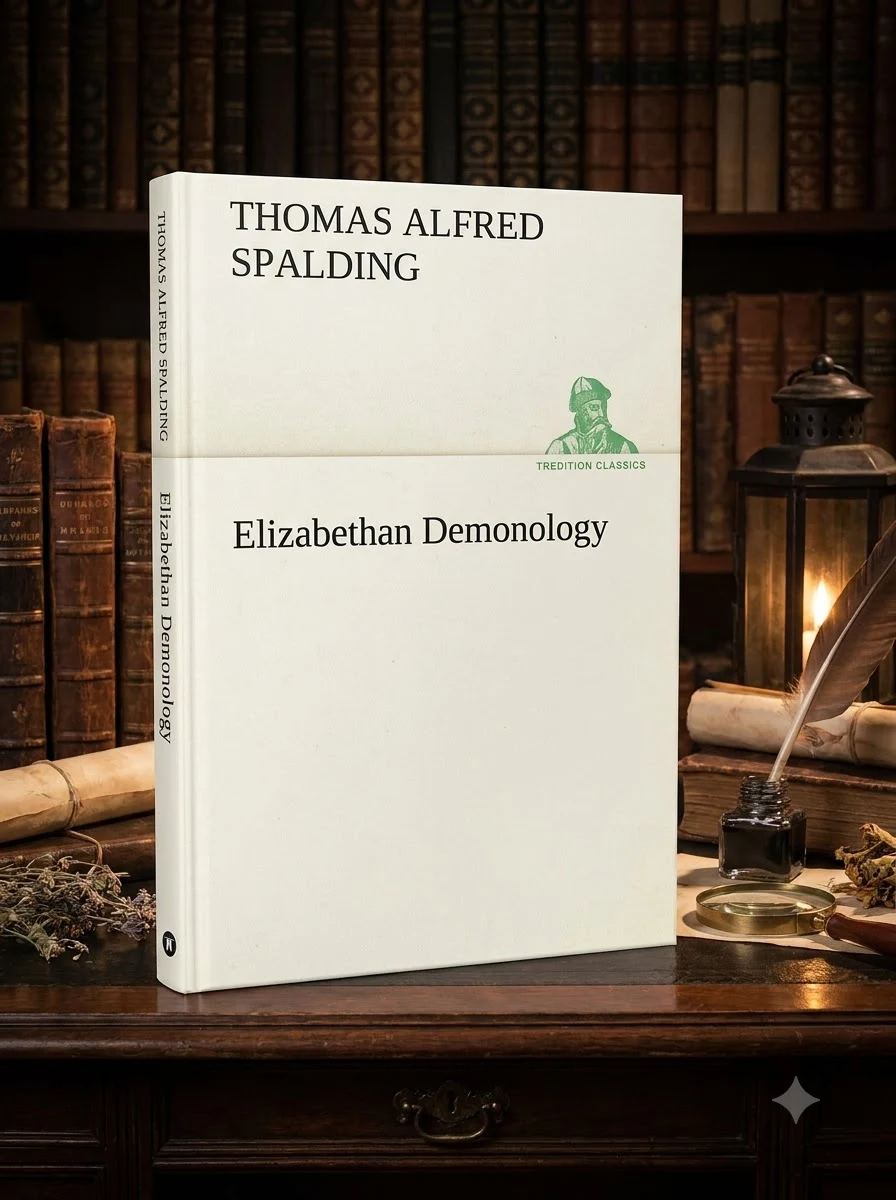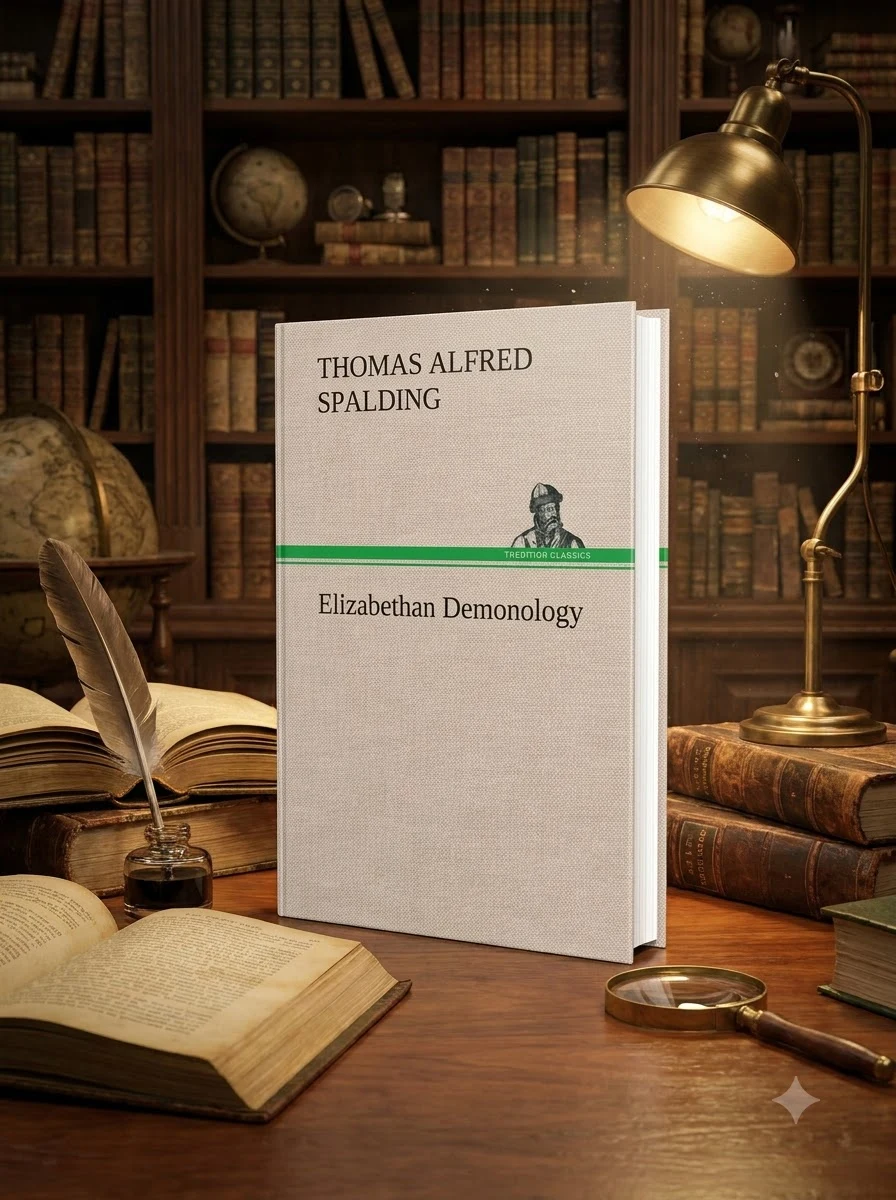
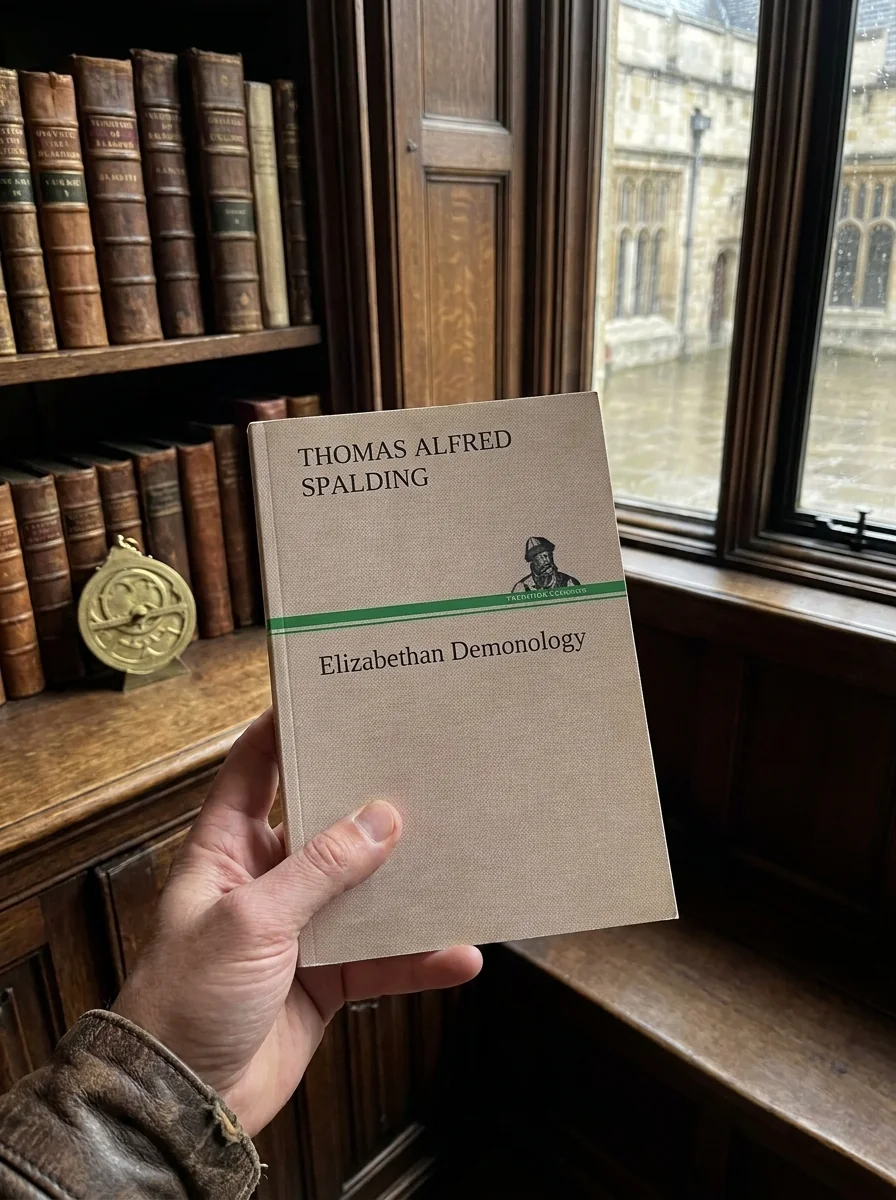
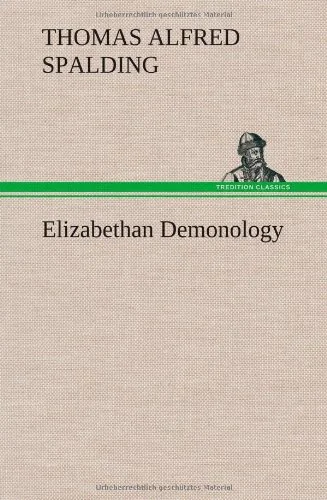
Elizabethan Demonology
✍️ Spalding, Thomas AlfredDelve into the chilling intellectual landscape of Elizabethan England, where the boundaries between the divine and the diabolical were fiercely debated. This seminal work meticulously examines the era's widespread fascination with demonic entities, witchcraft, and pacts with the infernal. Spalding dissects theological treatises, legal documents, and literary references to reveal how these dark beliefs permeated daily life, impacted social anxieties, and shaped the cultural imagination, from the pulpit to the public stage. It's an essential resource for understanding the foundations of early modern occult thought.


📝 Description: Elizabethan Demonology
💎 Expert review
📖 Why choose it
Why this book is worth reading
Scholars of early modern history, students of religious studies, and enthusiasts of esoteric literature will find profound value in this meticulous examination. Thomas Alfred Spalding provides a rigorous dissection of theological treatises, legal documents, and literary references that reveal the pervasive social anxieties of the time. By tracing how demonic obsession shaped the cultural imagination from the pulpit to the public stage, this book offers essential context for understanding the foundations of early modern occult thought. It is particularly rewarding for those seeking to move beyond superficial horror tropes to grasp the serious intellectual landscape where divine and diabolical boundaries were fiercely contested. This resource empowers readers to comprehend the complex interplay between faith, fear, and law that defined an era obsessed with infernal powers.
⭐ Reader reviews
Reader rating
Spalding’s text serves as a dense, academic survey of Elizabethan demonology rather than a narrative history. While it excels in analyzing theological treatises and legal frameworks, readers seeking dramatic storytelling or accessible popular history may find the tone dry and overly scholarly. The work is best suited for those with a background in history or theology who appreciate detailed dissections of primary sources. It does not cater to casual readers looking for entertainment or straightforward explanations of witchcraft trials without extensive contextual analysis. Those expecting vivid anecdotes about specific executions may be disappointed by the focus on broader intellectual trends and societal impacts rather than individual case studies.
❓ Frequently asked questions
📖 Who should read this
If you're drawn to the intellectual history of the occult, the intricate beliefs surrounding early modern magic, or the cultural anxieties that shaped Shakespeare's era, this meticulous study offers profound insights. It's perfect for students and enthusiasts of historical demonology and English literature.
🎯 Key themes and symbolism
Witchcraft Accusations & Fear
This volume meticulously chronicles the pervasive fear of witchcraft that gripped Elizabethan society, exploring how theological pronouncements fueled accusations and trials. It investigates the purported powers of witches, their supposed pacts with the devil, and the devastating societal impact of these widespread beliefs on communities and individuals.
The Nature of Demons
Spalding delves into the complex theological and popular understanding of demonic entities during the period. The book dissects various classifications of infernal spirits, their perceived abilities, and the myriad ways they were believed to interact with the human world, from temptation to possession, offering a comprehensive view of the era's demonological cosmology.
Literature's Dark Reflections
Beyond mere theological debate, the work illuminates how demonological beliefs permeated Elizabethan literature and drama. From Shakespeare's Macbeth to other contemporary plays and pamphlets, it analyzes how writers employed demonic figures and witchcraft narratives to explore moral dilemmas, societal anxieties, and the profound spiritual struggles of the age.
📜 Historical context
📚 Glossary
- Familiar
- Incubus/Succubus
- Daemonologie
📔 Questions to reflect on
- Reflect on how the pervasive fear of the demonic in Elizabethan England compares to modern societal anxieties or conspiracy theories. What functions do such fears serve?
- Consider the role of prominent figures (like King James I) in shaping public and legal perceptions of witchcraft. How does authority influence belief systems today?
- How might the portrayal of supernatural evil in historical literature, as discussed in the book, have both reflected and reinforced the beliefs of its contemporary audience?