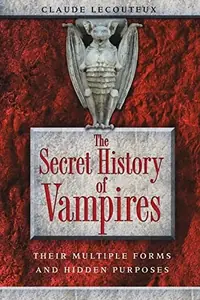
The Secret History of Vampires: Their Multiple Forms and Hidden Purposes
Lecouteux, Claude

This edition can be ordered. No arrival date is confirmed.
Unearth the shocking, forgotten origins of the vampire, far stranger than any fiction.
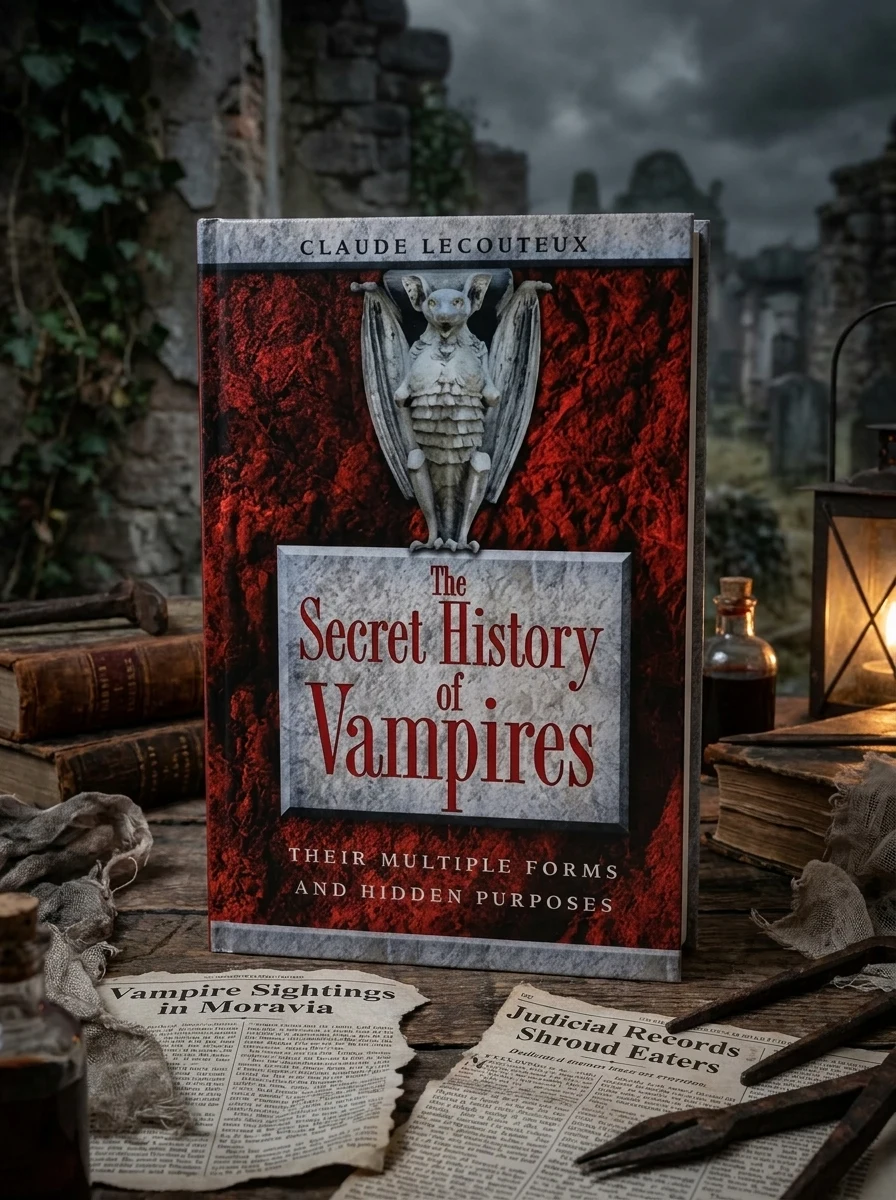
Dive into the true, ancient history of the undead with Lecouteux’s meticulous research. This volume strips away the romanticized veneer of the modern vampire, revealing a startling array of pre-19th century revenants. Drawing from centuries-old newspaper articles and judicial records, the author uncovers a chilling reality where entities like shroud-eaters, appesarts, and the enigmatic stafia terrorized communities. It's a journey into the visceral beliefs and documented encounters that shaped our deepest fears of those who return from the grave, long before Stoker penned his iconic tale.
This work sits firmly within the scholarly tradition of occult history and folklore studies, specifically examining pre-19th century European beliefs regarding revenants. It bridges the gap between academic research into judicial records and the broader cultural fascination with esoteric subjects.


📝 Description: The Secret History of Vampires: Their Multiple Forms and Hidden Purposes
💎 Expert review
📖 Why choose it
Why this book is worth reading
Readers fascinated by the authentic roots of horror and those weary of romanticized fictional tropes will find this volume indispensable. Lecouteux offers a rigorous, evidence-based exploration that strips away modern embellishments to reveal the visceral reality of historical fears. By analyzing newspaper articles and judicial records, the book provides a chilling yet intellectually satisfying look at entities like shroud-eaters and appesarts. It is perfect for scholars, folklore enthusiasts, and horror historians who desire a grounded understanding of how these terrifying figures actually impacted communities before the age of Gothic fiction. This text serves as an essential primary resource for anyone seeking to understand the genuine psychological and social impact of vampire lore in its rawest form.
⭐ Reader reviews
Reader rating
While meticulously researched, this book demands patience from readers seeking narrative flair or fictional entertainment. It is strictly a historical analysis based on judicial records and newspapers, lacking the atmospheric storytelling typical of gothic novels. Those expecting a dramatic retelling of famous vampire legends or supernatural explanations will likely find it dry and overly academic. However, for those interested in the sociological and historical context of revenant beliefs, it is an outstanding contribution that clarifies the distinction between myth and documented fear. It does not suit casual readers looking for quick thrills.
❓ Frequently asked questions
📖 Who should read this
If you're fascinated by folklore, the history of supernatural beliefs, or seeking the unvarnished truth behind our deepest fears, this book is essential. It's perfect for academics, cultural historians, and any curious reader eager to understand the pre-literary vampire.
🎯 Key themes and symbolism
Diverse Undead Forms
This book unveils a pantheon of revenants beyond the typical bloodsucker, from those who consume their burial clothes to shadowy figures trapped in architecture. Lecouteux meticulously categorizes these varied manifestations, challenging our modern understanding of the preternatural and demonstrating the rich, terrifying diversity of historical undead lore.
Empirical Roots of Myth
Lecouteux meticulously examines pre-19th century judicial records and journalistic accounts, presenting these unsettling reports as tangible evidence that fueled early beliefs in the undead. He argues that these were not mere superstitions but documented phenomena, giving weight to the historical and societal impact of these ancient fears.
Before the Literary Icon
Explore how ancient, varied accounts of post-mortem attacks on the living predate and profoundly influenced, yet dramatically differ from, the romanticized vampire popularized by Bram Stoker and subsequent fiction. This work positions the modern vampire as a distant echo of a much more diverse and disturbing historical reality.
💬 Quotes from the book
“The revenant of old was not a singular entity, but a myriad of forms, each a terrifying reflection of human anxiety about death and decay, far removed from the elegant predator of fiction.”
“Our modern understanding of the undead pales before the chilling specifics detailed in these forgotten parish records and court transcripts, which speak not of myth, but of witnessed terror.”
📜 Historical context
📚 Glossary
- Shroud-eaters
- Appesarts
- Stafia
📔 Questions to reflect on
- Reflect on how the specific fears and anxieties of historical societies shaped their beliefs about the undead, and how these compare to modern horror tropes.
- Consider a local legend or ghost story from your own region. How might its origins be rooted in historical events or societal fears, much like the 'real' vampires in this book?
- If you encountered a 'shroud-eater' or a 'stafia,' how would your perception of the supernatural fundamentally shift compared to a traditional vampire encounter? What new fears would arise?
✍️ More books by this author Lecouteux, Claude
All books by this author →
🏛 Books from this publisher Inner Traditions International
All books from this publisher →




You might also like
See more →