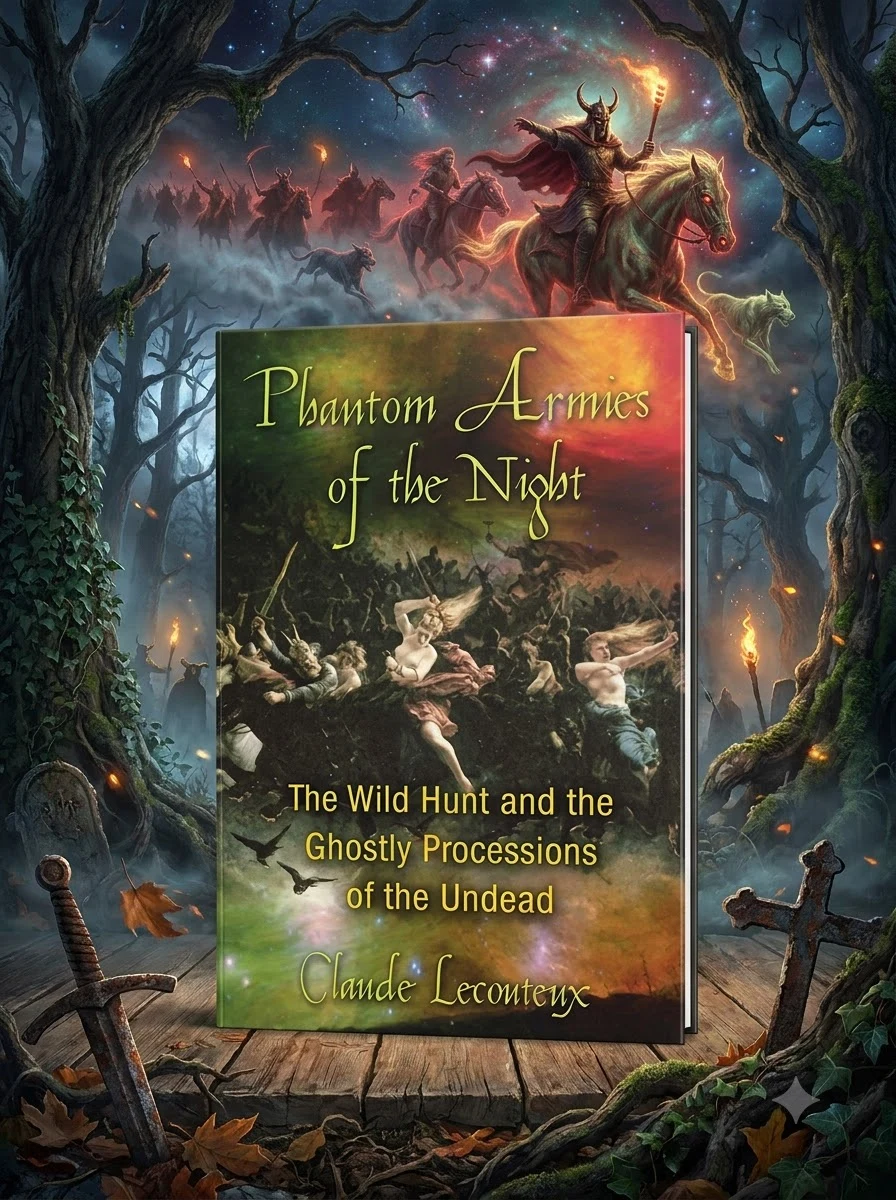
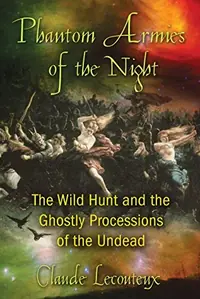
Phantom Armies of the Night: The Wild Hunt and the Ghostly Processions of the Undead (Original)
Lecouteux, Claude

Stock reported in the catalog; fulfillment is confirmed with your request.
Witness the spectral legions of the Wild Hunt: an ancient terror echoing through pagan lands and Christian nights.
Lecouteux unveils the chilling saga of the Wild Hunt, an enduring myth that haunted medieval Europe's nocturnal landscape. This scholarly yet engaging work meticulously chronicles its myriad forms, from cursed kings to demonic cavalcades, tracing its origins in ancient pagan beliefs. Discover how the Church cunningly repurposed this terrifying phenomenon to bolster doctrine, and how clandestine societies harnessed its power for otherworldly journeys and portents of doom. A deep dive into folklore, fear, and faith.
This work sits firmly within the realm of European folklore and esoteric history, exploring the intersection of ancient pagan beliefs and medieval Christian doctrine regarding supernatural phenomena.


📝 Description: Phantom Armies of the Night: The Wild Hunt and the Ghostly Processions of the Undead (Original)
💎 Expert review
📖 Why choose it
Why this book is worth reading
Readers fascinated by the shadowy intersections of mythology, theology, and cultural history will find this book an indispensable resource. Claude Lecouteux offers a scholarly yet accessible journey through the chilling saga of the Wild Hunt, revealing how ancient pagan terrors were repurposed to bolster Christian doctrine. It is ideal for those who wish to understand the psychological and spiritual mechanics behind medieval fears, from cursed kings to demonic cavalcades. By uncovering how clandestine societies harnessed these spectral legions for otherworldly journeys, the book provides deep insights into folklore, fear, and faith, satisfying a curiosity about the unseen forces that once haunted Europe's nocturnal landscape.
⭐ Reader reviews
Reader rating
Lecouteux delivers a meticulous chronicle of the Wild Hunt, blending scholarly rigor with engaging narrative flair. The text effectively traces the phenomenon’s origins in pagan beliefs and its subsequent manipulation by the Church to strengthen religious doctrine. However, this academic approach may not suit readers seeking light entertainment or purely fictional horror tales. Those looking for simple ghost stories without historical context might find the dense exploration of doctrine and folklore tedious. It is best appreciated by those willing to engage with complex cultural shifts and theological interpretations rather than casual readers expecting a straightforward spooky tale.
❓ Frequently asked questions
📖 Who should read this
For those captivated by Europe's shadowed folklore, the interplay of paganism and early Christianity, or the esoteric practices of medieval secret societies, this book is an essential journey. Prepare to delve into the spectral processions that shaped belief and terror across millennia.
🎯 Key themes and symbolism
Pagan Origins & Mythic Evolution
The book meticulously unearths the deep pre-Christian roots of the Wild Hunt, revealing its profound significance within ancient European pagan cosmologies. It tracks how this foundational belief transformed over centuries, adapting to changing cultural landscapes while retaining its core essence as a powerful, nocturnal spiritual phenomenon.
Christianization & Doctrinal Tools
Lecouteux expertly demonstrates how the nascent Christian Church strategically co-opted and reinterpreted the terrifying Wild Hunt narrative. By recasting pagan deities and spirits as damned souls or demonic entities, the Church effectively integrated this potent folklore into its own theological framework, using it as a powerful tool to enforce moral codes and propagate Christian teachings.
Esoteric Rites & Soul Journeys
Beyond public folklore, this work delves into the hidden practices of medieval European secret societies. It explores how these clandestine groups engaged with the Wild Hunt mythos, not just as a cautionary tale, but as a framework for ritualistic reenactments, potentially facilitating out-of-body experiences, or "soul travel," and divining future calamities.
💬 Quotes from the book
“The terror of the nocturnes, the phantom riders cutting through the frigid air, was not merely a superstition but a profound articulation of the medieval psyche's grapple with the unknown and the divine.”
“From the raucous clamor of Odin's host to the penitent sighs of Christian damnation, the core motif of the spectral procession endured, a testament to humanity's primal fear of the wandering dead.”
📜 Historical context
📚 Glossary
- Wild Hunt
- Soul Travel
- Syncretism
📔 Questions to reflect on
- How might ancient beliefs, like the Wild Hunt, continue to manifest in modern fears or cultural narratives, even without explicit recognition?
- Consider how powerful institutions, like the early Church, strategically adapt existing folklore to support their own doctrines. What parallels can you find in contemporary society?
- If "soul travel" was indeed practiced by secret societies through these myths, what does that imply about the human capacity for altered states of consciousness and their connection to collective imagination?
✍️ More books by this author Lecouteux, Claude
All books by this author →
🏛 Books from this publisher Inner Traditions International
All books from this publisher →



You might also like
See more →