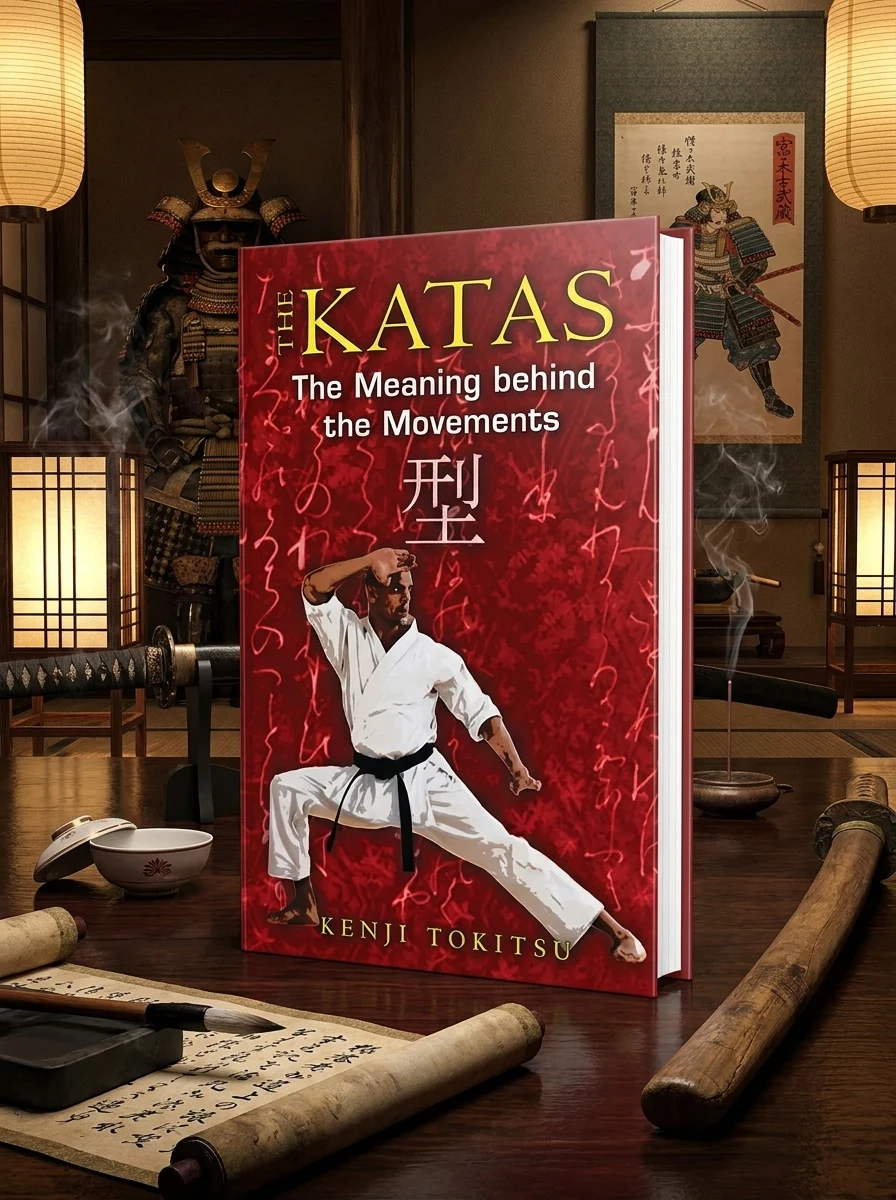
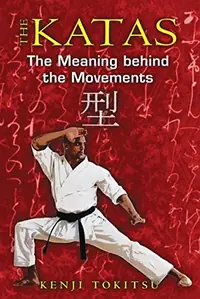
The Katas: The Meaning Behind the Movements


This edition can be ordered. No arrival date is confirmed.
Uncover the hidden spiritual depths and societal significance within Japan's ritualized movements.
This profound exploration delves into the spiritual and philosophical underpinnings of Japanese "katas," the structured movement sequences central to martial arts and beyond. It unearths how these ancient forms, developed during Japan's period of isolation, offer a pathway to spiritual mastery and self-perfection. The text examines their deep psychological and societal impact, illustrating their presence in everything from sumo to tea ceremonies, and even their surprising connection to "seppuku." Through compelling examples from historical figures like Miyamoto Musashi and Yukio Mishima, readers gain insight into the profound cultural resonance of these ritualized motions.
This work situates itself within the tradition of Japanese esoteric philosophy and martial arts spirituality, exploring the profound intersection of physical discipline and inner transformation during Japan's historical period of isolation. It bridges the gap between ancient ritualized motion and modern spiritual self-perfection.


📝 Description: The Katas: The Meaning Behind the Movements
💎 Expert review
📖 Why choose it
Why this book is worth reading
Readers seeking a deeper understanding of the spiritual architecture behind Japanese martial arts and cultural rituals will find this book indispensable. It is particularly suited for those interested in how structured movements serve as vessels for psychological mastery and societal cohesion. By examining connections between sumo, tea ceremonies, and even seppuku, the text offers a unique lens through which to view self-perfection. If you are fascinated by the hidden meanings behind physical forms and wish to explore the profound cultural resonance of these ancient practices, this exploration provides essential insight into the pathways of spiritual depth.
⭐ Reader reviews
Reader rating
Tokitsu delivers a compelling examination of 'katas,' revealing their significance beyond mere martial technique. The text successfully unearths the psychological impact of these movements, linking them to broader societal structures and historical figures like Musashi. However, readers expecting a practical instructional manual for combat or fitness will find this approach overly abstract. It is not suited for those seeking quick physical results or those uninterested in philosophical discourse. Instead, it appeals to scholars and spiritual seekers looking for the 'why' behind the 'how,' offering a dense but rewarding look at the soul of Japanese ritualized motion.
❓ Frequently asked questions
📖 Who should read this
If you seek to understand the profound spiritual and cultural essence woven into Japanese martial arts, or if you're drawn to the philosophy of disciplined self-perfection, this book is for you. It offers invaluable insights for practitioners and cultural enthusiasts alike, deepening your appreciation for traditional Japanese wisdom.
🎯 Key themes and symbolism
Spiritual Dimensions of Kata
This volume illuminates how the disciplined practice of "katas" transcends mere physical training, guiding practitioners toward profound inner development and a deeper spiritual understanding. It reveals the meditative and philosophical principles embedded within each movement, fostering a path to self-mastery that extends beyond the dojo.
Societal & Psychological Impact
Discover the pervasive influence of "katas" on Japanese culture, from their role in martial arts discipline to their unexpected connections to ritualized acts like "seppuku." The book meticulously examines how these structured movements shape individual psychology and societal values, reflecting a dedication to perfection across various cultural expressions.
Historical & Cultural Roots
Journey back to Japan's Sakoku period to understand the genesis of "katas" as essential forms of knowledge preservation and spiritual training. This work traces their evolution and ubiquitous presence, demonstrating their foundational importance not only in martial arts but also in traditional arts like "ikebana" and "chado."
💬 Quotes from the book
“The seemingly simple repetition of a "kata" is, in truth, an intricate dialogue between body and spirit, a deliberate journey toward the essence of self.”
“From the disciplined sword of Musashi to the poetic finality of Mishima, the "kata" reveals itself as a fundamental blueprint for both life and death in the Japanese ethos.”
📜 Historical context
📚 Glossary
- Kata
- Sakoku
- Seppuku
📔 Questions to reflect on
- How might integrating a 'dedication-to-perfection' philosophy, as seen in "katas," enhance a skill or practice in your own life?
- Consider the role of ritualized movement in other cultures or personal practices. How does it compare to the significance of "katas" in Japan?
- The book connects "katas" to "seppuku." How does understanding the concept of honor and ritual within Japanese culture shift your perspective on such extreme acts?
🏛 Books from this publisher Inner Traditions International
All books from this publisher →




You might also like
See more →