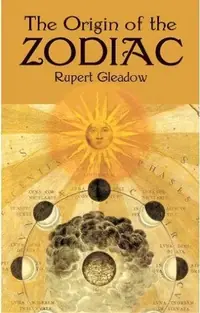
The Origin of the Zodiac Gleadow, Rupert
This edition can be ordered. No arrival date is confirmed.
Unearth the celestial roots of astrology across ancient civilizations in this scholarly yet accessible guide.
Rupert Gleadow offers a vibrant exploration of astrology’s evolution, transcending mere horoscope columns to examine its philosophical and mythological foundations. He traverses the ancient landscapes of Mexico, Tibet, China, India, Greece, Rome, Babylon, and Egypt, revealing how early cultures used celestial observation for calendar systems rather than superstition. Gleadow navigates the complex debate between tropical and sidereal zodiacs with scholarly objectivity, bridging the gap between skepticism and belief. This work dissects the nature of the zodiac as an imaginary celestial belt, analyzing how humanity projected meaning onto the stars over millennia to understand fate and human nature.
This work situates astrology within its historical and philosophical roots across ancient civilizations, framing the zodiac as a cultural projection rather than mere superstition. It bridges the gap between scholarly skepticism and esoteric belief by examining celestial observation's role in early calendar systems.


📝 Description: The Origin of the Zodiac Gleadow, Rupert
💎 Expert review
📖 Why choose it
Why this book is worth reading
Readers seeking a deeper understanding of astrology’s intellectual heritage will find this guide invaluable. It appeals to those who wish to transcend horoscope columns and explore the philosophical foundations of celestial observation. Scholars and enthusiasts alike will appreciate Gleadow’s objective navigation of the tropical versus sidereal debate. The book serves as an accessible entry point for skeptics and believers, offering a scholarly yet vibrant exploration of how humanity projected meaning onto the stars. It is ideal for anyone interested in the mythological roots of fate, human nature, and the imaginary celestial belt that has guided civilizations from Babylon to modern times.
⭐ Reader reviews
Reader rating
Honestly wasn't sure what to expect, but I'm impressed. Every rereading turns up something I missed. Plenty of passages worth underlining; my copy is already full of margin notes. Still worth having on the shelf.
My book club chose this last month. It reads better in small doses — a chapter at a time with notes. Shipping was quick too.
Gleadow provides a stimulating overview of astrology’s evolution across diverse cultures, including Egypt, China, and Rome. The text successfully demystifies the zodiac by treating it as a philosophical tool rather than dogma. However, readers expecting practical predictive techniques or mystical rituals will be disappointed. This book is strictly analytical and historical, lacking the esoteric depth sought by advanced practitioners. It suits those interested in the cultural history of astrology but may feel dry to those looking for immediate spiritual application or astrological interpretation. The scholarly objectivity is refreshing but might alienate readers who prefer a more devotional approach to the stars.
❓ Frequently asked questions
📖 Who should read this
Readers seeking a historical deep-dive into astrology's origins will appreciate Gleadow's scholarly approach. It is ideal for those tired of superficial horoscopes who crave intellectual rigor, historical context, and an understanding of the philosophical debates shaping modern astrological practice.
🎯 Key themes and symbolism
Cross-Cultural Celestial Roots
Gleadow investigates how diverse ancient societies independently developed zodiac systems. He compares Babylonian star lore with Egyptian, Greek, and Eastern traditions, showing how each culture interpreted planetary movements to structure time and myth, proving astrology’s universal appeal across distinct historical epochs.
Tropical vs Sidereal Debate
The text delves into the technical controversy defining modern astrology. Gleadow explains the divergence between measuring signs from the sun's equinox versus actual constellations, offering readers a clear, objective analysis of why this distinction matters for chart interpretation and historical accuracy in astrological practice.
From Calendar to Oracle
The author traces the shift from practical agricultural timekeeping to mystical divination. He details how the zodiac transformed from a neutral observational tool into a superstitious framework for foretelling the future, examining the psychological drivers behind humanity's desire to link stellar positions with earthly affairs.
💬 Quotes from the book
“The zodiac was not originally created for superstitious purposes.”
“An imaginary belt in the heavens divided into 12 equal parts.”
📜 Historical context
📚 Glossary
- Tropical Zodiac
- Sidereal Zodiac
- Precession
📔 Questions to reflect on
- How does your personal perception of the stars change when you view them as ancient calendars rather than mystical guides?
- Which cultural interpretation of the zodiac resonates most with your own philosophical worldview and why?
- In what ways do you see the tension between scientific observation and spiritual belief playing out in modern astrological practice?
📖 From the series “Dover Occult”
All books in the series →


 90
90


🏛 Books from this publisher Dover Publications
All books from this publisher →





You might also like
See more →





 91
91