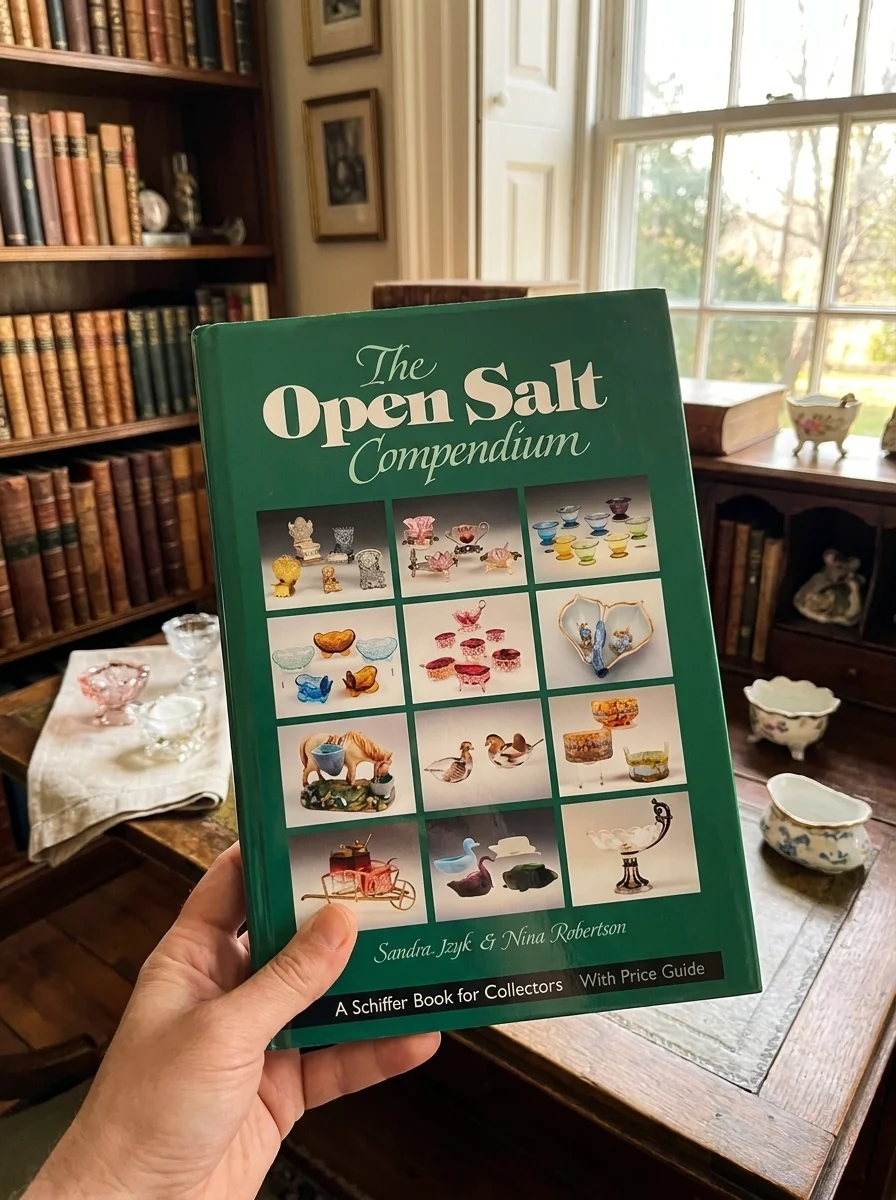
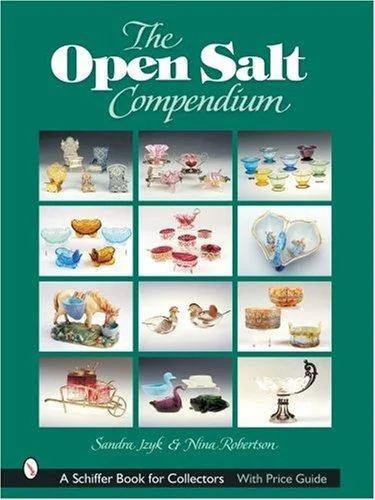
The Open Salt Compendium Jzyk, Sandra
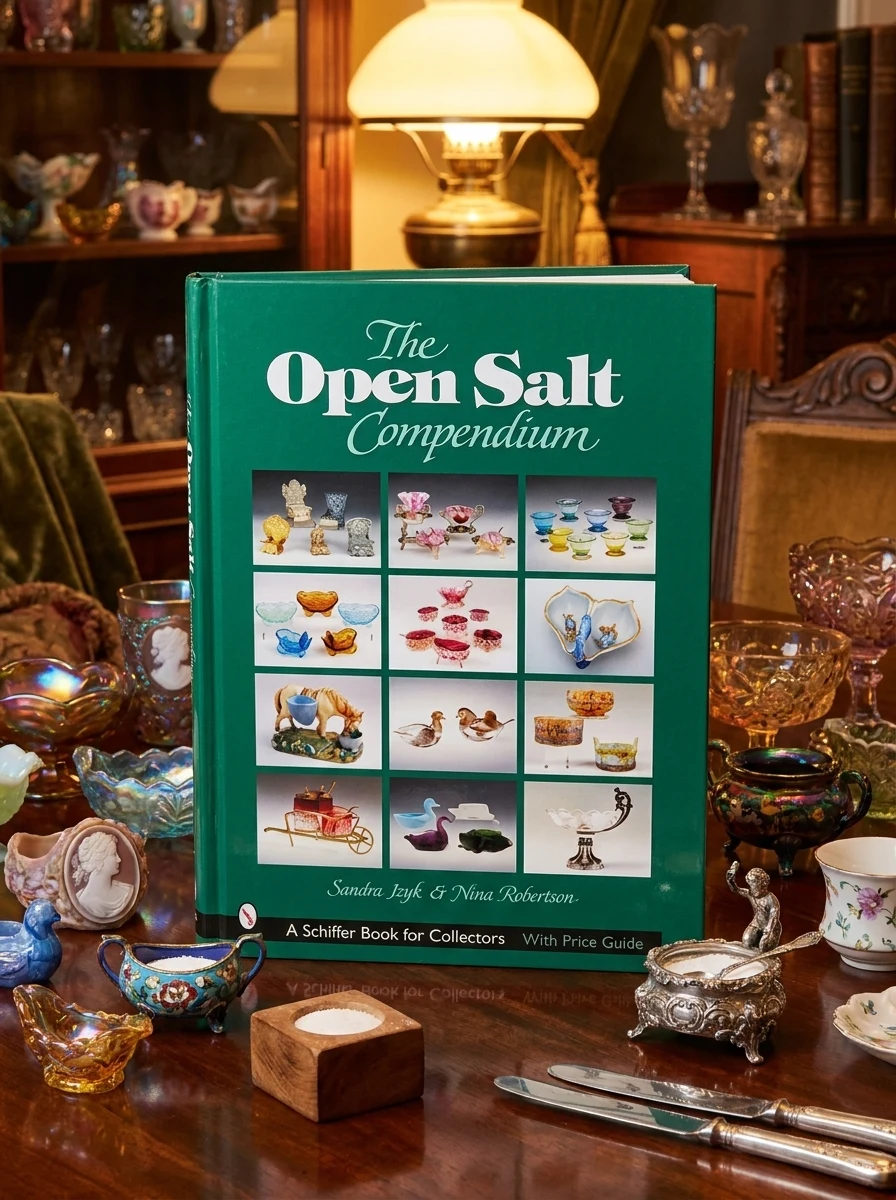
Before salt flowed freely, its presentation was an art, a ritual in miniature. Sandra Jzyk's lavish compendium unveils the exquisite history of open salt cellars, those often-overlooked relics of domestic ceremony. Delve into nearly a thousand vibrant illustrations showcasing over 3,500 distinct pieces, many brought to light for the first time. From ancient Chinese porcelain to intricate European glass and precious metals, this volume chronicles the profound artistry and diverse materials employed in these ceremonial objects, spanning centuries of human ingenuity and taste.


📝 Description: The Open Salt Compendium Jzyk, Sandra
💎 Expert review
📖 Why choose it
Why this book is worth reading
This volume is a treasure trove for collectors of antique tableware, historians of domestic life, and enthusiasts of decorative arts who appreciate the subtle rituals that once governed dining etiquette. Sandra Jzyk’s compendium offers more than mere visual delight; it provides a deep dive into the cultural weight carried by humble vessels. Readers will gain an appreciation for the exquisite craftsmanship found in ancient Chinese porcelain, intricate European glass, and precious metalwork. It is ideal for those who find beauty in the overlooked details of history and wish to understand how salt, once a precious commodity, was elevated through artistry and ceremony into a symbol of status and taste across centuries.
⭐ Reader reviews
Reader rating
While visually stunning with nearly a thousand illustrations, this book may disappoint readers seeking narrative depth or sociological analysis. It is strictly a catalog of objects rather than a story-driven history, making it less suitable for those who prefer textual engagement over visual survey. However, for connoisseurs of material culture, the breadth of 3,500 pieces is unmatched. The candid assessment reveals that this is not for casual readers looking for plot or easy accessibility, but rather for specialists and serious hobbyists who value the preservation of obscure domestic artifacts and the aesthetic evolution of ceremonial tableware across diverse global traditions.
❓ Frequently asked questions
📖 Who should read this
If you are drawn to the hidden histories of domestic life, the artistry of forgotten crafts, or the silent stories held within cherished objects, this book is for you. It's an essential journey for collectors, historians of material culture, and anyone seeking beauty in the overlooked.
🎯 Key themes and symbolism
Echoes of Ancient Rituals
Before industrialization transformed our tables, salt was a precious commodity, often presented with solemnity. This book reveals how the open salt cellar served not merely as a utilitarian dish, but as a centerpiece of domestic ritual, a testament to an era when every meal held a deeper, almost sacred, significance. Discover the evolution of its ceremonial role.
Materialized Craft Secrets
Beyond function, these salt vessels are a canvas for master artisans. Explore the incredible spectrum of materials—from the translucent beauty of art glass and intricate cameo work to the robust elegance of figural silver and delicate porcelain. Each piece whispers tales of its creation, showcasing forgotten techniques and the dedication of countless hands across generations.
Curating Forgotten Histories
For the dedicated seeker of tangible pasts, this volume offers an unparalleled archive. It meticulously documents a vast array of open salts, many previously unseen, preserving their forms and stories. This compendium serves as a vital resource for understanding the material culture of dining, allowing us to connect with the aesthetic sensibilities and practicalities of bygone eras.
📜 Historical context
📚 Glossary
- Open Salt Cellar
- Faïence
- Cameo Glass
📔 Questions to reflect on
- Reflect on a common object you use daily. How might its design or presentation change if it were imbued with deeper symbolic meaning?
- Consider the act of sharing a meal. What forgotten rituals or gestures could enrich this experience in our modern world?
- If you were to design a vessel for a fundamental element (water, fire, earth), what materials and forms would you choose to convey its essence?