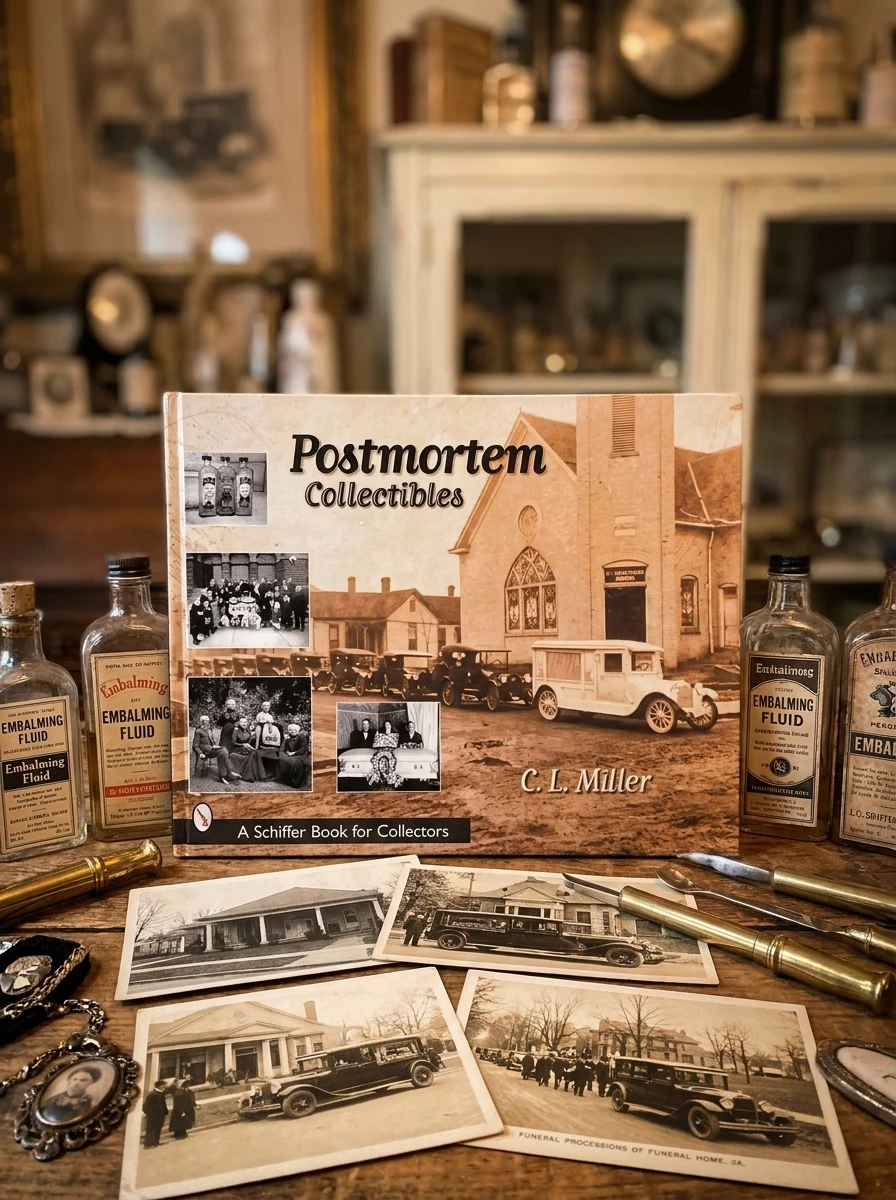
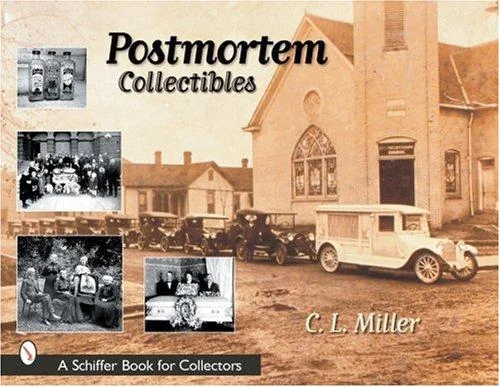
Postmortem Collectibles Miller, C L
✍️ Miller, C LC.L. Miller's seminal work offers an unprecedented visual exploration into humanity's relationship with mortality through the objects left behind. Far from morbid, this book respectfully chronicles the evolution of postmortem customs, from ancient rites to modern practices, through a rich tapestry of historical photographs, illustrations, and collectible items. It delves into the material culture of death, showcasing everything from funerary art and embalming tools to personal mementos and advertising, providing an insightful look into how societies have commemorated their loved ones across the ages.


📝 Description: Postmortem Collectibles Miller, C L
💎 Expert review
📖 Why choose it
Why this book is worth reading
Readers with a deep appreciation for the aesthetic and symbolic dimensions of mortality will find immense value in this visual journey. It is ideal for collectors, historians, and those interested in the philosophical underpinnings of remembrance who seek to understand how material objects serve as vessels for memory. By presenting funerary art, embalming tools, and personal mementos with respect rather than morbid fascination, the book offers a comforting perspective on eternal remembrance. It appeals to anyone who wishes to explore the beautiful, often overlooked aspects of postmortem customs, providing an insightful look into how different eras have commemorated their loved ones through tangible means.
⭐ Reader reviews
Reader rating
Miller’s seminal work stands out for its respectful and visually rich chronicle of humanity's relationship with mortality. It successfully reframes death-related artifacts not as grim relics, but as meaningful expressions of love and memory. However, readers seeking a scientific or biological analysis of decomposition, or those who find the subject matter inherently disturbing rather than historically fascinating, may find little appeal here. The book is strictly a cultural and visual exploration, lacking the technical depth required for medical professionals or the intense emotional narrative expected by grief counselors. It is best suited for the intellectually curious observer of history.
❓ Frequently asked questions
📖 Who should read this
If you are a collector of unique historical artifacts, a cultural historian, or simply curious about the profound ways humanity has confronted death, this meticulously researched and visually rich book offers unparalleled insights into a fascinating, often overlooked, aspect of human experience.
🎯 Key themes and symbolism
The Evolution of Mourning
This volume meticulously traces how societies have honored the deceased across millennia, revealing the changing cultural norms and emotional expressions embedded in various postmortem practices. It highlights the transition from intimate home rituals to public ceremonies, illustrating the shifting landscape of grief and remembrance through tangible objects.
Postmortem Photography's Poignancy
A significant portion is dedicated to the captivating and often heart-wrenching practice of postmortem photography, offering a comprehensive collection of images from private homes and other settings. The book explores this unique art form as a vital method of preserving a final image of the departed, reflecting its profound emotional and historical significance.
Death's Material Culture
Explore the surprising array of items that comprise the material culture of death, from elaborate cemetery monuments and burial garments to practical embalming instruments and promotional ephemera. The book reveals how these diverse collectibles serve as historical markers, offering insights into societal values, technological advancements, and personal expressions of loss.
📜 Historical context
📚 Glossary
- Postmortem Photography
- Mourning Etiquette
- Embalming Instruments
📔 Questions to reflect on
- How do contemporary cultural views on death and grief compare to historical practices depicted in the book, and what artifacts might define our era's mourning?
- Reflect on a personal or familial memento related to loss. How does its significance parallel or diverge from the historical items discussed in this collection?
- Consider the ethical implications of collecting and displaying postmortem items. Where do you draw the line between historical preservation and personal reverence?