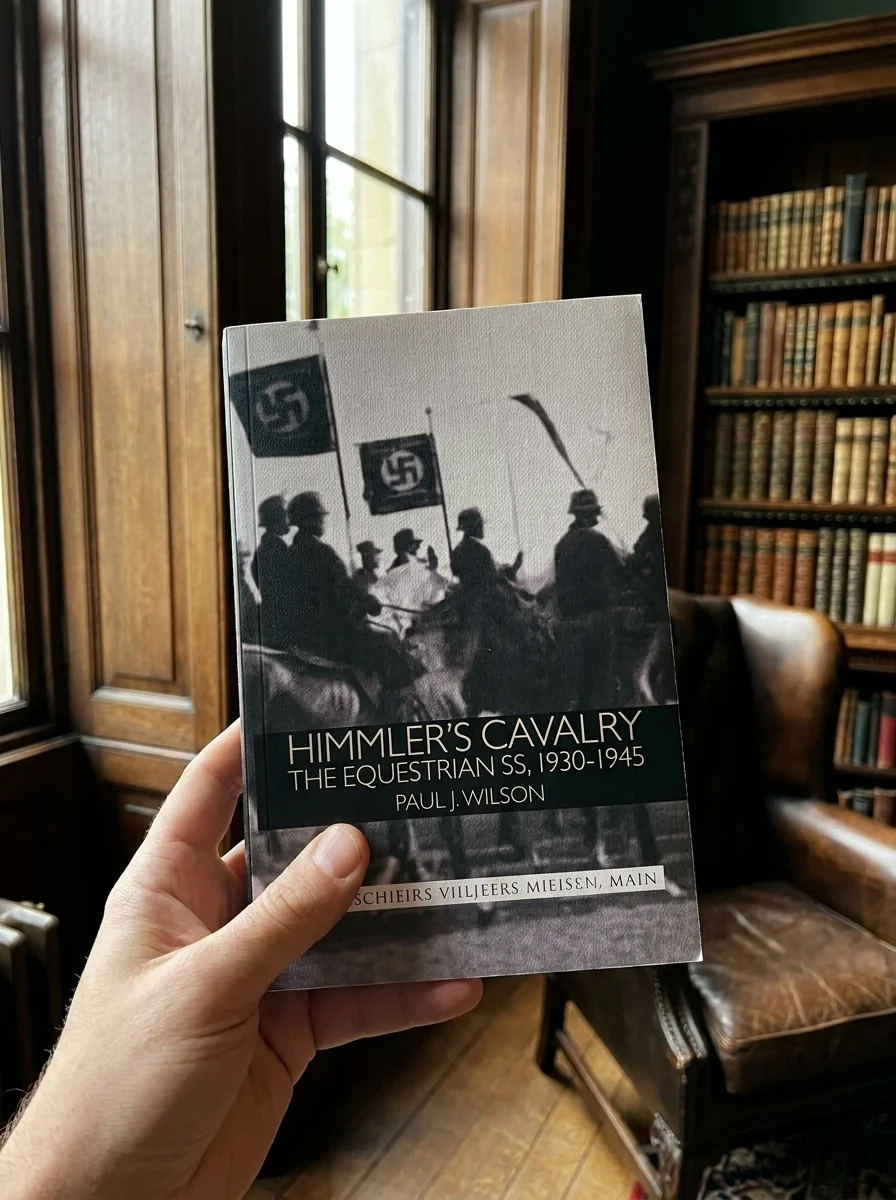
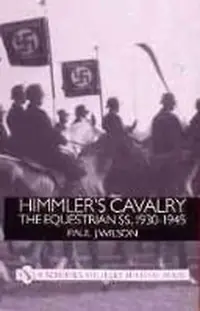
Himmler's Cavalry: The Equestrian Ss, 1930-1945 Wilson, Paul J
This edition can be ordered. No arrival date is confirmed.
Beneath polished boots and equestrian grace, Himmler's cavalry masked unspeakable horrors.
Paul J. Wilson's meticulous research uncovers the chilling duality of Himmler's Equestrian SS. Initially presented as an elite force for social prestige and recruitment, parading through Germany in distinctive black uniforms, these horsemen served a far darker purpose. The book reveals how this seemingly benign organization was, in reality, a brutal security and occupation unit. Deployed as mounted Death's Head regiments and the SS Cavalry Brigade in Eastern Europe, they were direct participants in the systematic murder of thousands, making their surprising acquittal at the Nuremberg Trials a point of profound historical controversy.
This work sits at the intersection of military history and esoteric studies, examining how Nazi ideology co-opted romanticized equestrian traditions for sinister recruitment purposes. It bridges the gap between occult fascination with elite orders and the grim reality of SS operational history.


📝 Description: Himmler's Cavalry: The Equestrian Ss, 1930-1945 Wilson, Paul J
💎 Expert review
📖 Why choose it
Why this book is worth reading
Readers interested in the dark intersections of ideology, aesthetics, and violence will find this book profoundly illuminating. It offers a crucial corrective to romanticized views of the SS by exposing how equestrian grace masked systematic brutality. Those who appreciate meticulous research that challenges historical narratives, particularly regarding the Nuremberg Trials' controversies, will gain a deeper understanding of how prestige was used as a tool for recruitment and cover-up. This text is essential for anyone seeking to understand the multifaceted nature of Nazi occupation forces beyond standard military accounts.
⭐ Reader reviews
Reader rating
Honestly wasn't sure what to expect, but I'm impressed. The language takes some getting used to, but it becomes part of the charm. I appreciated how the argument builds steadily from first principles. Glad I finally picked this up.
Grabbed this during a weekend order. A text you study rather than simply read. Well worth it.
Was skeptical at first. It's become a regular reference in my practice.
First purchase from this shop. Solid binding, decent paper — holds up to heavy use. My only quibble is the cover feels thinner than expected. Solid, if not essential.
Bought this as a gift for my sister and ended up ordering a second copy for myself. It pairs well with more modern commentaries on the same tradition. The symbolism is layered and generous to patient readers. A keeper.
A friend in my study group recommended this one. It rewards patience more than any book I've bought this year. Some sections stopped me cold in the best way. The font runs small in the appendices. Happy enough with the purchase.
Added this to my reference shelf. The material is presented clearly and the structure makes it easy to revisit key passages. The symbolism is layered and generous to patient readers. Good, with the caveats above.
Wilson provides a chillingly detailed account of the Equestrian SS, effectively dismantling the myth of their benign social role. While the research is undeniably rigorous and the revelation of their true function as brutal occupation units is historically significant, this book may not suit readers seeking a narrative-driven biography or those uncomfortable with dense administrative histories of war crimes. It lacks the emotional immediacy of personal memoirs but offers indispensable structural insight. The focus on the discrepancy between their public image and private actions is compelling, though the subject matter remains heavy and unrelenting for sensitive audiences.
❓ Frequently asked questions
📖 Who should read this
This essential study is for serious readers compelled by the complexities of Nazi Germany, the SS, and the Holocaust. If you seek to understand how an organization cloaked in prestige could commit such atrocities, this book offers unvarnished insight.
🎯 Key themes and symbolism
Elite Image & Recruitment
Explore how Himmler strategically utilized the Equestrian SS to cultivate an image of nobility and attract high-status individuals and farmers to his urban-centric organization. This section delves into the propaganda value of equestrian sports and displays in projecting an aura of strength and social standing for the SS.
Hidden Brutality
Uncover the stark contrast between the public façade of polished horsemanship and the horrific reality of the Equestrian SS's operational duties. Wilson meticulously details their transformation into ruthless security and occupation forces, responsible for widespread atrocities and mass killings in Eastern Europe, particularly against Jewish communities.
Controversial Acquittal
Examine the perplexing historical anomaly of the Equestrian SS being the only SS organization acquitted at the Nuremberg Trials. This theme investigates the legal arguments, political climate, and specific circumstances that led to this verdict, despite their documented involvement in severe war crimes and crimes against humanity.
💬 Quotes from the book
“The elegant equestrian displays served as a deliberate smokescreen, masking the underlying ideological indoctrination and the brutalization of recruits that defined Himmler's vision for the SS.”
“Operating with ruthless efficiency in the occupied territories, these mounted units were instrumental in the systematic extermination of Jewish communities, fulfilling their macabre duties as 'political soldiers' without compunction.”
📜 Historical context
📚 Glossary
- SS (Schutzstaffel)
- Nuremberg Trials
- Death's Head regiments
📔 Questions to reflect on
- How does the public image of a military or paramilitary organization influence our perception of its true actions?
- Consider the ethical implications of a military unit being acquitted of war crimes despite documented involvement in atrocities. What lessons can be drawn from this historical precedent?
- Reflect on how historical studies like this challenge conventional narratives and reveal the complex, often contradictory, nature of organizations within totalitarian regimes.
📖 From the series “Schiffer Military History”
All books in the series →

 85
85
 87
87



🏛 Books from this publisher Schiffer Publishing
All books from this publisher → 89
89




 85
85


You might also like
See more →
 91
91
 91
91

 91
91
 91
91