Women of Polynesia
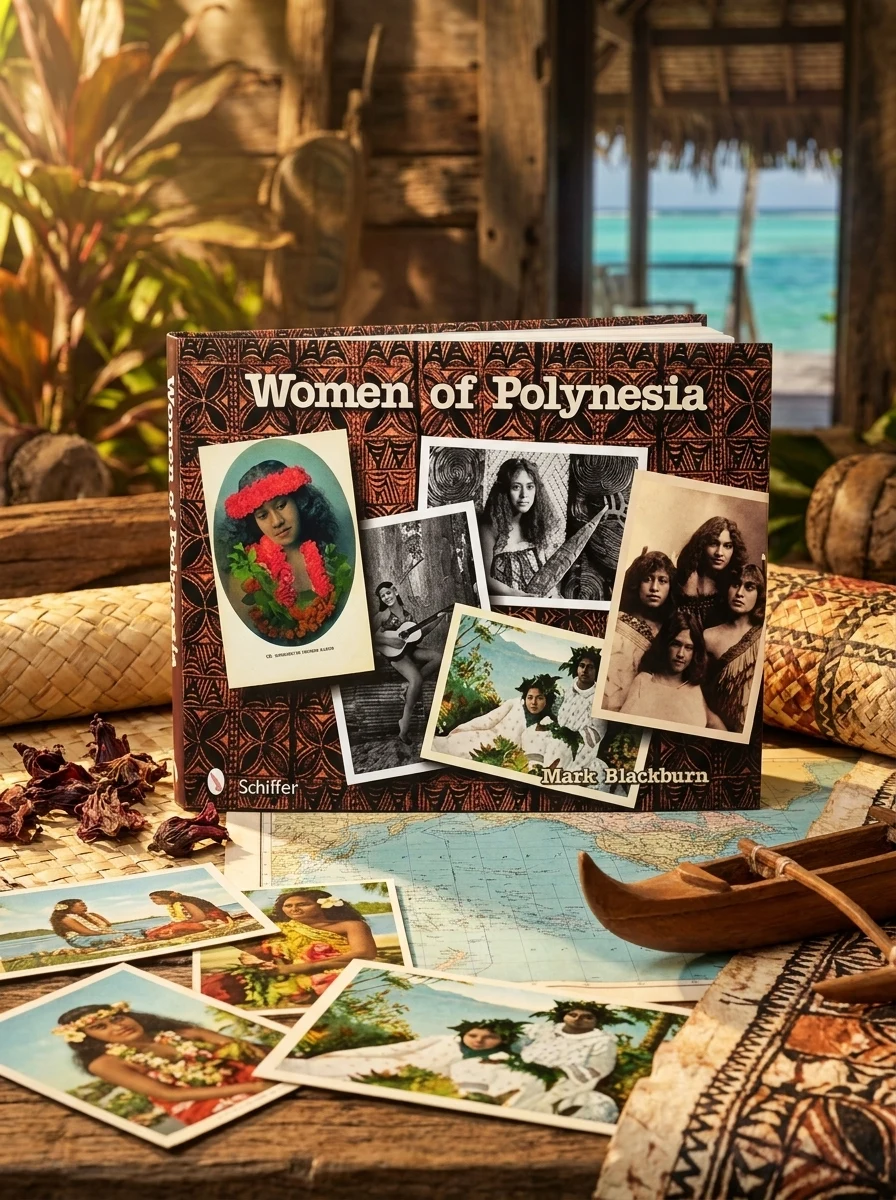
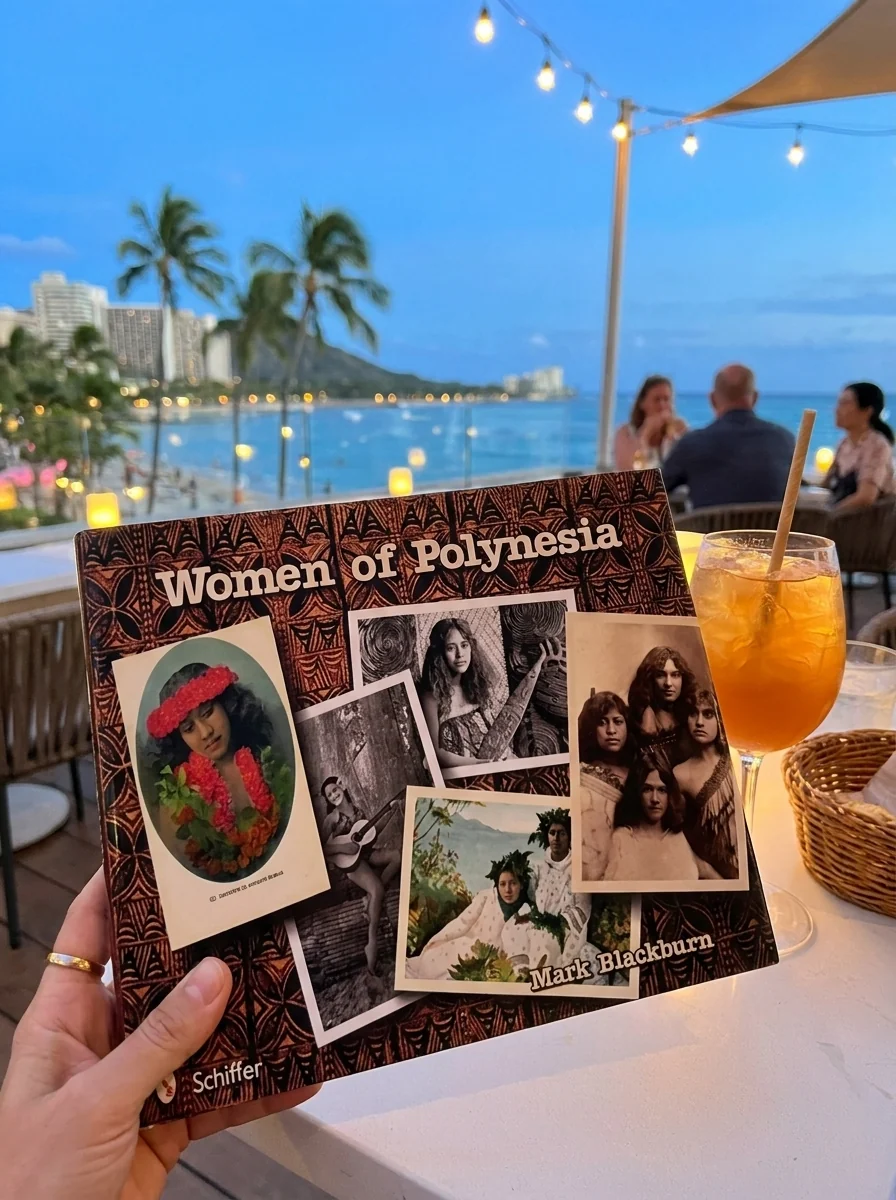
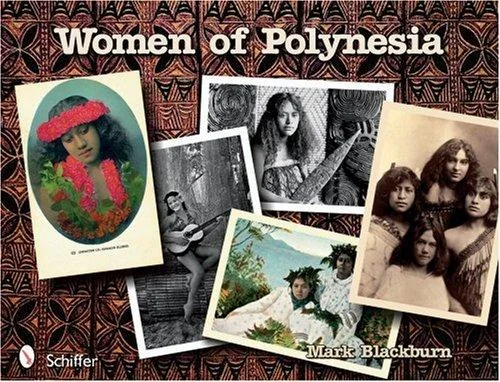
This compelling volume invites readers on a visual journey through the Pacific, showcasing the captivating women of Polynesia as captured in over 300 rare, historical postcards from 1898 to 1920. Traverse the islands of Hawaii, Tahiti, Samoa, and beyond, encountering their distinct cultures and landscapes. Each geographical section is accompanied by insightful narratives detailing the unique histories, indigenous customs, and artistic expressions encountered by early European visitors. The collection subtly explores the idealized portrayals of Polynesian women that fascinated Western observers, offering a unique lens into cross-cultural perceptions at the turn of the century.


📝 Description: Women of Polynesia
💎 Expert review
📖 Why choose it
Why this book is worth reading
This book offers a unique visual and narrative journey for those interested in the intersection of history, art, and cultural perception. Readers who appreciate rare historical imagery will find value in the over 300 postcards that capture a specific moment in time. It is ideal for scholars or enthusiasts exploring how Western observers viewed Polynesian women during the turn of the century. The insightful narratives provide context on indigenous customs and landscapes, making it accessible to casual readers seeking visual pleasure mixed with historical insight. Those drawn to the allure of bygone eras and the complexity of cross-cultural encounters will find this volume both engaging and thought-provoking.
⭐ Reader reviews
Reader rating
While visually striking, this collection requires critical engagement from its audience. It is not suitable for readers seeking contemporary, respectful, or accurate representations of Polynesian culture, as the material is filtered through a colonial lens. Those expecting rigorous academic analysis may find the narratives superficial. However, for those interested in the history of Orientalism and visual anthropology, it provides valuable primary source material. The idealized portrayals are presented as historical artifacts rather than truths. It appeals to readers who understand the problematic nature of early 20th-century ethnography but still wish to examine these images. It is a niche interest for those studying the construction of 'exotic' identities in Western media.
❓ Frequently asked questions
📖 Who should read this
If you are drawn to the mystique of historical imagery, curious about the colonial lens on indigenous cultures, or a collector of rare ephemera, this book offers a visually rich and historically nuanced exploration. It's for those who appreciate beauty intertwined with cultural commentary.
🎯 Key themes and symbolism
Colonial Gaze & Idealization
This collection offers a fascinating insight into how Western perceptions shaped the portrayal of Polynesian women during the late 19th and early 20th centuries. It subtly explores the "exotic" ideals projected onto these figures, revealing a complex interplay of admiration and cultural appropriation that was prevalent in European artistic and literary circles of the era.
Historic Postcard Artistry
More than just ethnographic records, these 380 vibrant postcards serve as a remarkable archive of early 20th-century graphic design and photography. They illustrate the evolving aesthetics of mass-produced imagery, providing a unique historical document for collectors and enthusiasts interested in the intersection of visual culture and travel ephemera.
Pacific Island Heritage
Beyond the visual allure, the book grounds each image within its specific cultural context. Concise geographical and historical notes accompany the postcards, illuminating the distinct traditions, local crafts, and first encounters with European explorers across Hawaii, Tahiti, Samoa, and other significant Polynesian regions, offering glimpses into their rich heritage.
📜 Historical context
📚 Glossary
- Polynesia
- Ephemera
- Exotic Ideal
📔 Questions to reflect on
- How do these historical postcards shape or challenge your contemporary understanding of Polynesian cultures and their women?
- Reflect on the concept of the "exotic ideal" as presented in these images. What does it reveal about the observer's culture versus the observed?
- If you were to create a similar visual archive of a culture today, what ethical considerations would guide your selection and presentation of images?