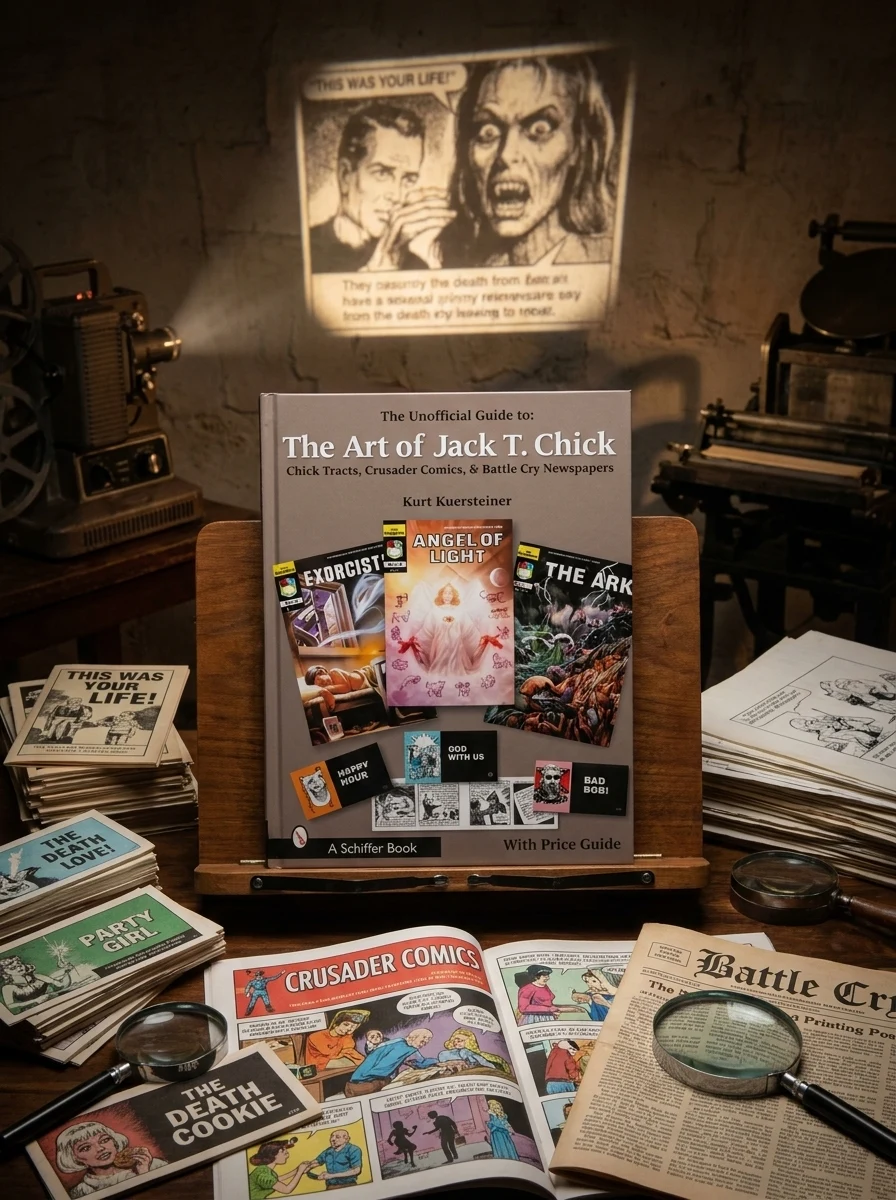
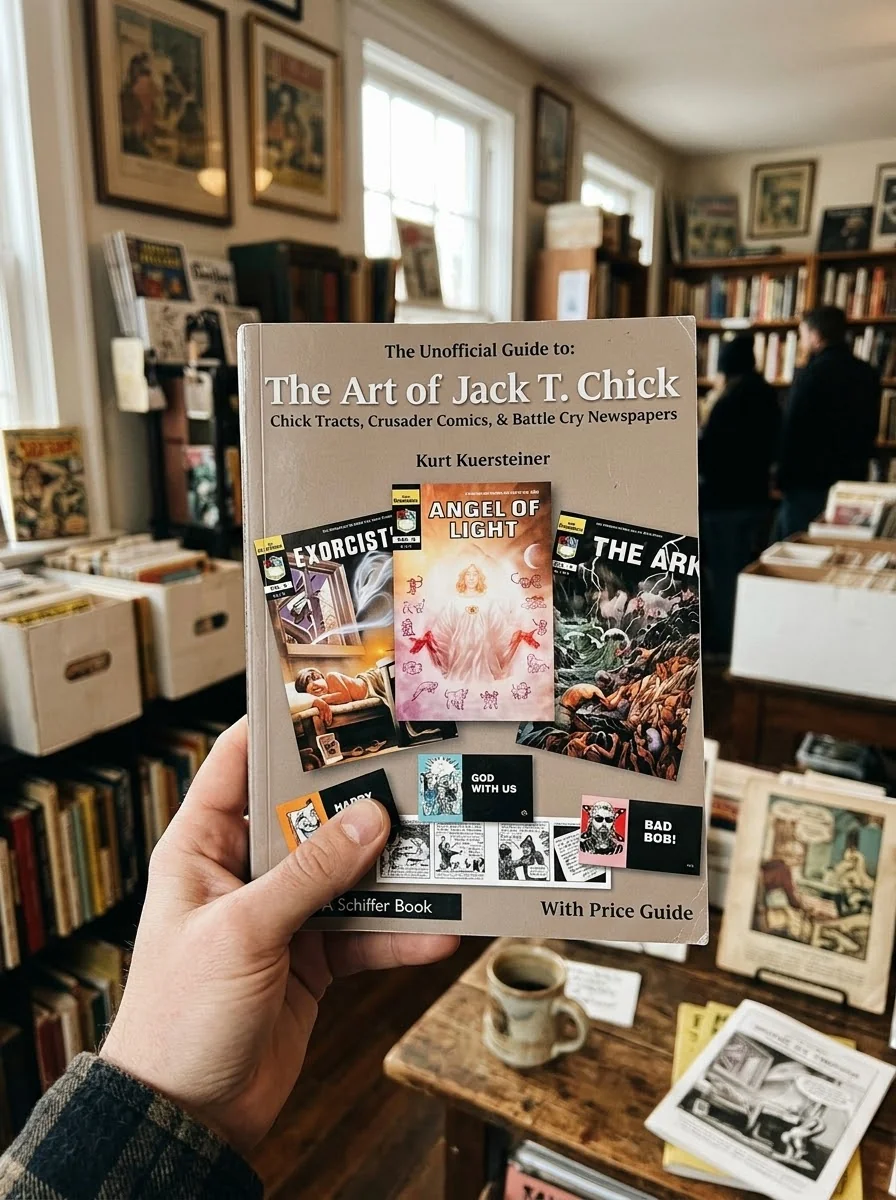
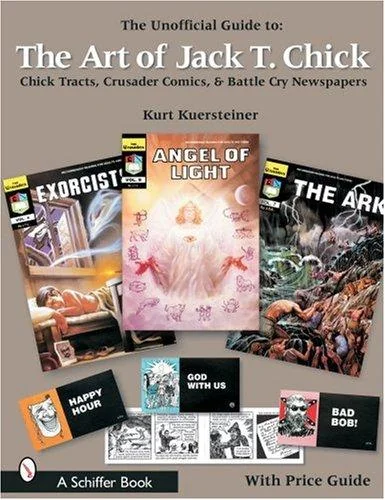
The Unofficial Guide to the Art of Jack T. Chick: Chick Tracts, Crusader Comics, & Battle Cry Newspapers Kuersteiner, Kurt
Kurt Kuersteiner's definitive guide offers a visually rich exploration of Jack T. Chick's polarizing art. For over four decades, Chick produced billions of "Chick tracts," comics, and newspapers, infamous for their stark, fire-and-brimstone messages. This comprehensive volume, packed with 580 images, showcases both iconic and obscure works from his 170 titles. It provides a balanced analysis of Chick's zealous, often inflammatory, narratives, detailing his history, collaborators, and offering valuable insights for collectors of his controversial output and graphic art enthusiasts alike.


📝 Description: The Unofficial Guide to the Art of Jack T. Chick: Chick Tracts, Crusader Comics, & Battle Cry Newspapers Kuersteiner, Kurt
💎 Expert review
📖 Why choose it
Why this book is worth reading
This book is an essential resource for collectors seeking to catalog the vast and polarizing output of Jack T. Chick, offering a visually rich journey through his controversial world. Art enthusiasts will appreciate the comprehensive showcase of both iconic and obscure works, while those interested in the intersection of faith and media find value in the balanced analysis of his zealous narratives. It provides crucial context regarding his collaborators and history, making it indispensable for understanding the impact of these inflammatory messages. Whether you are a long-time admirer or a curious critic, this volume offers deep insights into a unique form of religious artistry that has shaped public discourse for decades.
⭐ Reader reviews
Reader rating
Kuersteiner delivers a thorough visual catalog that is indispensable for serious collectors and academic researchers studying evangelical graphic literature. The inclusion of 580 images provides unparalleled access to obscure pieces, making it a definitive reference for this specific niche. However, readers seeking nuanced theological debate or gentle spiritual guidance will find little here; Chick’s stark, fire-and-brimstone style is inherently aggressive and divisive. Those uncomfortable with inflammatory rhetoric or who dislike controversial religious propaganda may struggle with the material’s intensity. This is not a casual read but a specialized study for those prepared to engage with provocative, polarizing content without expecting balanced theological critique.
❓ Frequently asked questions
📖 Who should read this
If you're fascinated by the intersection of art, religion, and social commentary, or a connoisseur of unique graphic narratives, this book is essential. Anyone who has encountered a "Chick tract" and wondered about its origins or impact will find its pages illuminating.
🎯 Key themes and symbolism
Religious Zealotry's Legacy
Explore the unwavering conviction behind Chick's half-billion pamphlets. The book unpacks his fervent theological stance, revealing how his work delivered uncompromising condemnations against perceived societal evils. It provides a contextual understanding of the "fire and brimstone" ethos that fueled his prolific, confrontational evangelism.
Underground Comics History
Beyond theological debate, this guide positions Chick's work within the broader history of independent and underground comics. It highlights his significant, if often overlooked, contribution to sequential art, detailing his creative processes, collaborators, and the sheer scale of his self-published empire, influencing generations of artists and controversial messaging.
📜 Historical context
📚 Glossary
- Chick Tracts
- Fire and Brimstone
- Graphic Narrative
📔 Questions to reflect on
- How do you believe controversial art, like Chick's, impacts public discourse, and what role should an artist's intent play in its interpretation?
- In what ways do "fire and brimstone" narratives resonate or repel contemporary audiences, and why might they persist in popular culture?
- Consider the power of accessible media, such as comics, to convey complex or polarizing ideologies. What are its strengths and ethical challenges?