The Skateboard Art of Jim Phillips
Stock reported in the catalog; fulfillment is confirmed with your request.
Witness the vibrant, rebellious evolution of skate culture through Jim Phillips' legendary graphic lens.
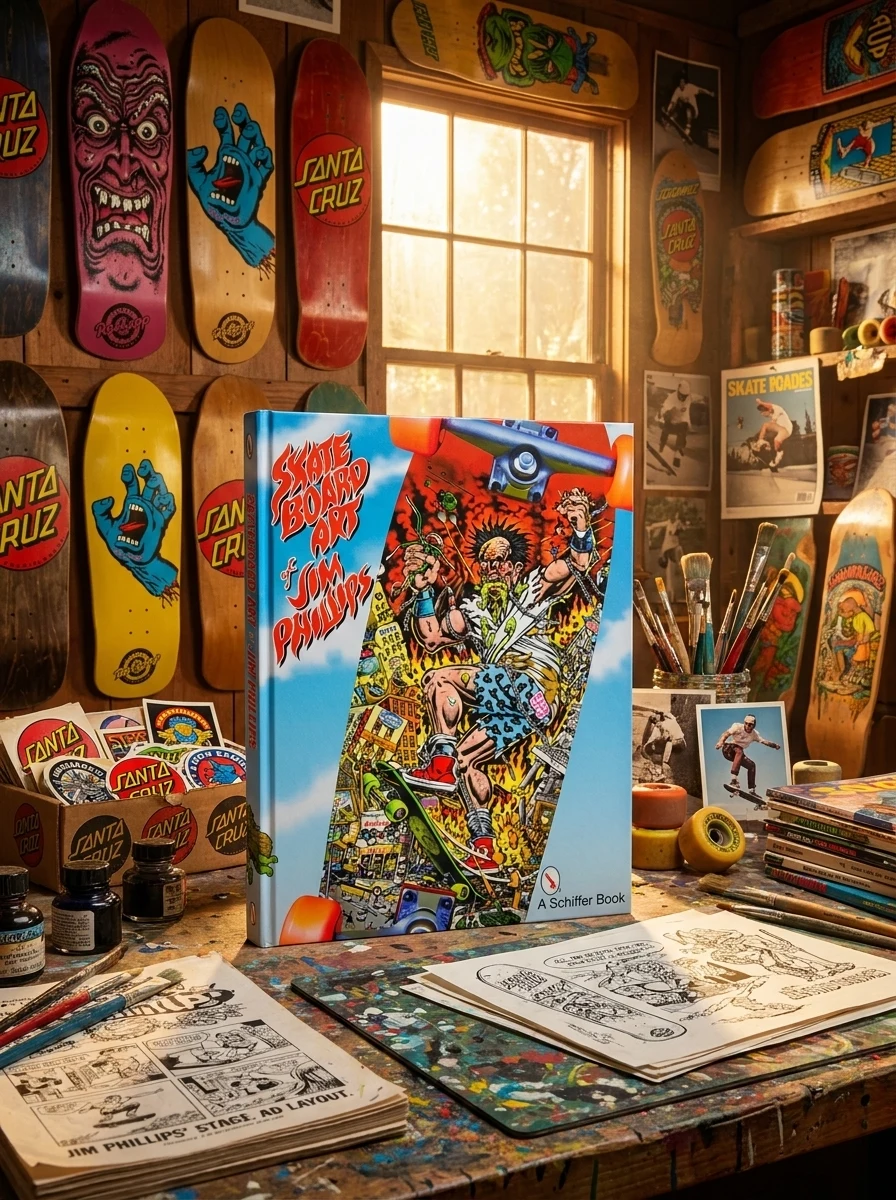
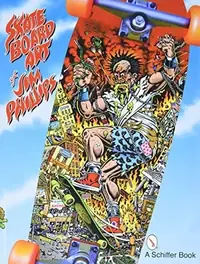
Jim Phillips offers a visceral, insider’s look into the chaotic creativity of his studio and the broader skateboarding world. This retrospective chronicles over fifty years of artistic evolution, tracing the sport's journey from the urethane wheel revolution to its current global status. Readers will encounter a rich tapestry of colorful decks, logos, and ad layouts that define an era. It is not merely a collection of images but a deep dive into the wacky, intense energy that fueled the industry's growth and cemented California's influence on worldwide street art and culture.
This volume serves as a vital archive of late 20th-century counterculture, documenting the transition of skateboarding from a niche subculture to a global phenomenon through its visual language. It captures the specific era of California's dominance in street art and graphic design during the sport's commercial expansion.


📝 Description: The Skateboard Art of Jim Phillips
💎 Expert review
📖 Why choose it
Why this book is worth reading
This book is an essential treasure for anyone fascinated by the raw, unfiltered energy that defined modern street culture. It offers readers a rare, intimate glimpse into the chaotic creativity of Jim Phillips’ studio, revealing how his graphic lens shaped the identity of skateboarding over fifty years. Those who appreciate the intersection of art, rebellion, and commerce will find profound value in seeing how colorful decks and logos evolved alongside the sport. It is not just for skaters, but for designers and cultural historians seeking to understand the vibrant, wacky intensity that fueled an industry's growth and cemented California's lasting influence on global aesthetics.
⭐ Reader reviews
Reader rating
Perfect companion for my morning study sessions. Plenty of passages worth underlining; my copy is already full of margin notes. The font runs small in the appendices. Still worth having on the shelf.
This edition finally does the material justice. Some sections stopped me cold in the best way. I found myself reading passages aloud just to sit with them.
While visually stunning and historically significant, this retrospective may disappoint readers expecting deep theoretical analysis or philosophical discourse. It is strictly a visual chronicle of graphic evolution rather than a critical academic text. Consequently, scholars looking for rigorous sociological data might find the content too anecdotal or superficial. However, for those who appreciate high-energy graphic design and the visceral history of skate culture, it remains an irresistible, colorful journey through the chaotic creativity that defined an era.
❓ Frequently asked questions
📖 Who should read this
Seek out this volume if you are a graphic design historian, a dedicated skateboarder, or anyone fascinated by the intersection of counter-culture and commercial art. It appeals to those who appreciate the raw, unpolished energy of street aesthetics and the specific visual vocabulary that defined late twentieth-century youth rebellion.
🎯 Key themes and symbolism
The Urethane Revolution
Phillips documents the pivotal shift when polyurethane wheels transformed skateboarding from a dangerous fad into a sustainable sport. This technical change allowed for new tricks and styles, which Phillips captured in his early, raw illustrations, marking the beginning of a distinct visual language that would define the subculture for decades to come.
Studio Chaos and Creation
The narrative moves beyond finished products to explore the frenetic environment of Phillips' studio. It highlights the collaborative, often unhinged energy of his team, revealing how personal eccentricities and intense graphic assignments merged to produce the iconic, gritty aesthetic that became synonymous with high-performance skateboarding brands and their loyal customer base.
Global Cultural Influence
Tracing the trajectory from local California roots to worldwide domination, this section examines how Phillips' work transcended regional boundaries. The book analyzes how his specific artistic choices helped export American street culture globally, influencing fashion, music, and art scenes far beyond the skatepark, establishing a lasting legacy in popular visual history.
💬 Quotes from the book
“The studio was a controlled explosion of ink, madness, and pure adrenaline.”
“We didn't just draw wheels; we drew the feeling of falling in love with the pavement.”
📜 Historical context
📚 Glossary
- Deck Art
- Urethane Revolution
- Ad Layout
📔 Questions to reflect on
- How did the transition from clay to urethane wheels change the way artists visualized movement?
- In what ways does commercial advertising shape our perception of counter-culture movements?
- Reflect on a piece of street art that defined your local community's identity.
🏛 Books from this publisher Schiffer Publishing
All books from this publisher →
 89
89






You might also like
See more → 91
91

 91
91
 91
91
 91
91