Midget Exhibit: Images from the Heyday of Dwarf Display
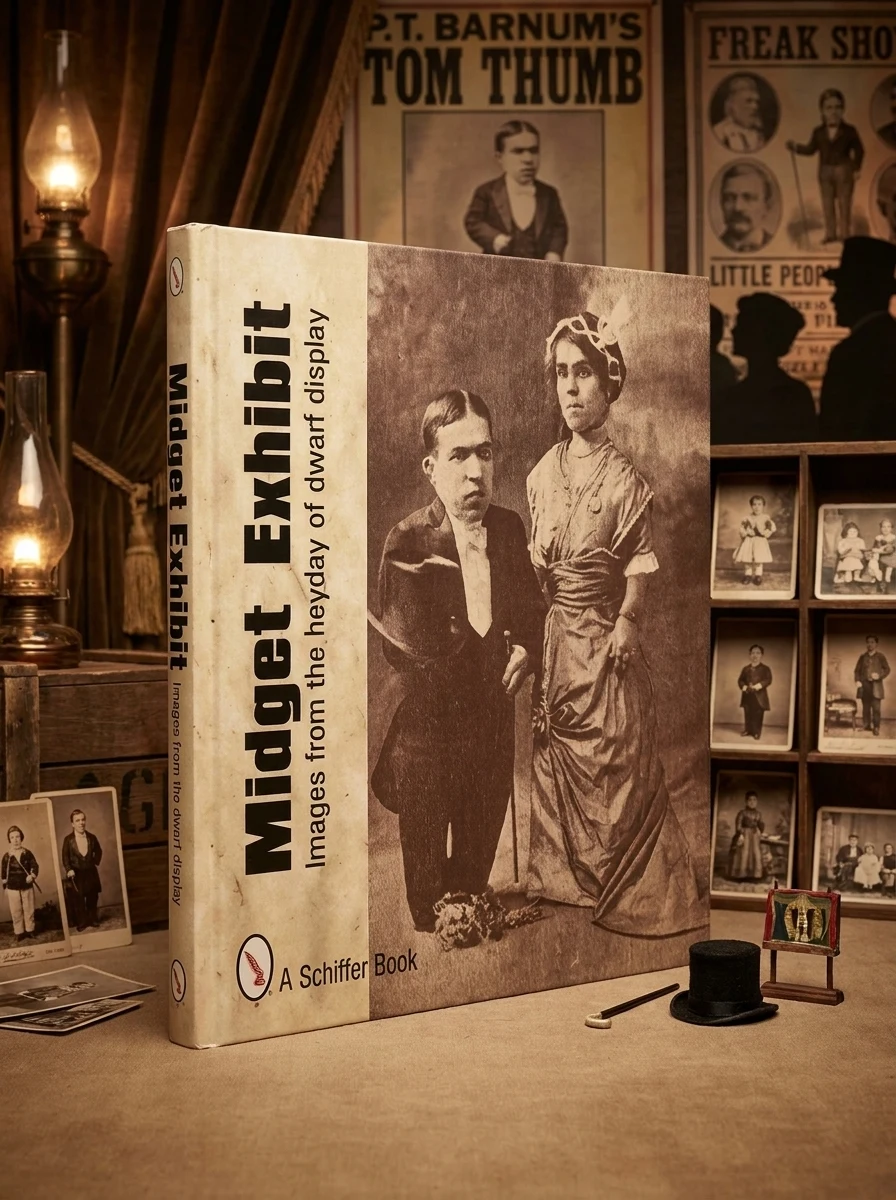
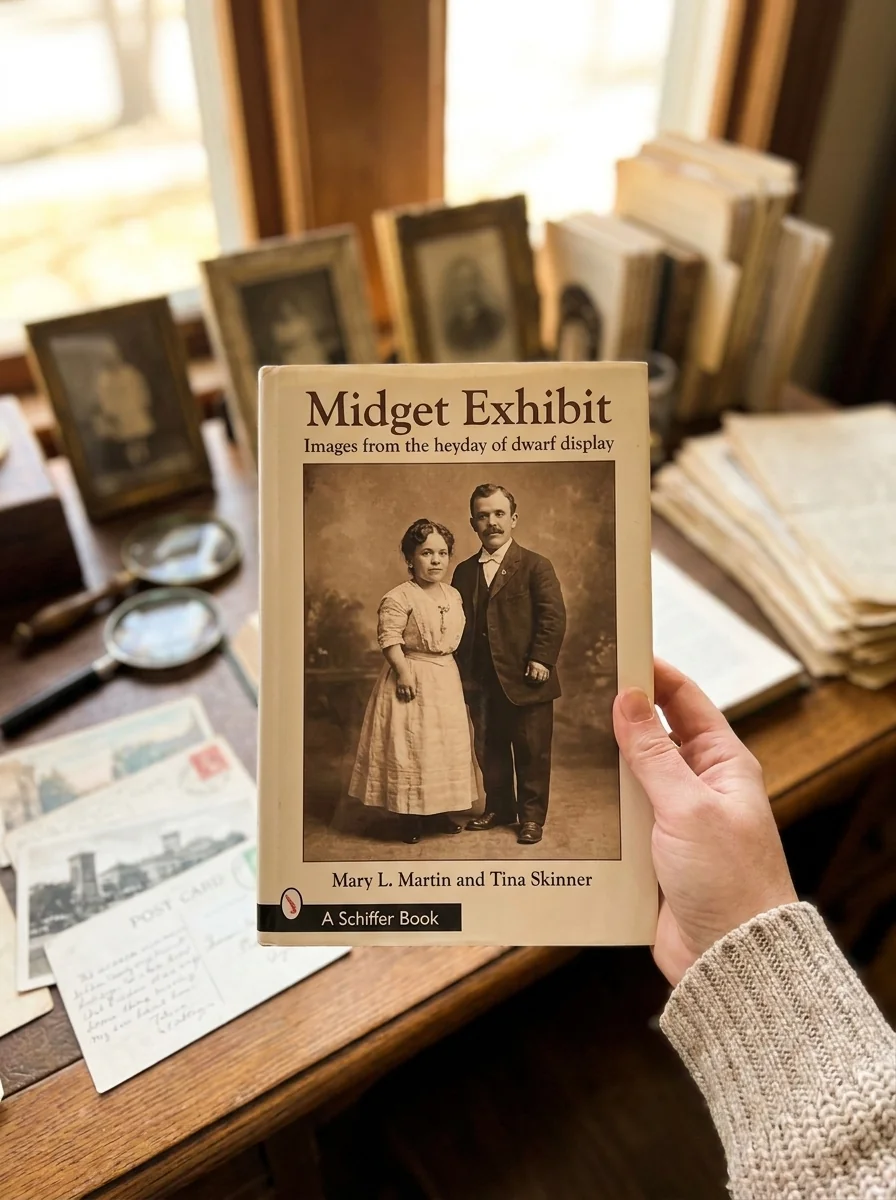
✍️ Martin, Mary L; , Skinner, TinaDelve into the captivating yet complex history of "midget exhibits," a widespread social phenomenon that captivated audiences across Europe and the New World for over a century. This volume meticulously traces the origins of this public display, from P. T. Barnum's pioneering efforts in the mid-1800s to the vast array of performers who achieved both notoriety and a unique form of celebrity. Through a remarkable collection of vintage postcards, the book offers a poignant visual journey into an era when society's fascination with the unusual shaped popular entertainment.


📝 Description: Midget Exhibit: Images from the Heyday of Dwarf Display
💎 Expert review
📖 Why choose it
Why this book is worth reading
Readers interested in the nuanced history of performance art and social attitudes toward physical difference will find this volume essential. It offers a poignant visual journey through vintage postcards, allowing audiences to witness the complex celebrity status achieved by performers who were once mere spectacles. By tracing origins from P. T. Barnum’s pioneering efforts to broader European displays, it provides context for how society’s fascination with the unusual shaped entertainment. This book is ideal for those seeking to understand the human stories behind the historical phenomenon of dwarf display, offering a respectful yet candid look at a forgotten era where curiosity drove public engagement.
⭐ Reader reviews
Reader rating
This volume serves as a vital archival resource for scholars and enthusiasts of nineteenth-century entertainment history. Its strength lies in the meticulous curation of vintage postcards that illustrate the scale and reach of these exhibitions across Europe and the New World. However, it may not suit readers seeking a purely narrative biography or those uncomfortable with confronting historical exploitation directly. The focus remains on the phenomenon itself rather than individual psychological deep-dives. While some might find the subject matter unsettling, the book handles it with academic rigor, making it unsuitable for those preferring lighthearted amusement over critical social analysis of past societal norms regarding human difference.
❓ Frequently asked questions
📖 Who should read this
If you are drawn to the hidden histories of social phenomena, the ethical dimensions of public display, or the visual culture of the Victorian and early 20th centuries, this book offers a unique and thought-provoking exploration.
🎯 Key themes and symbolism
Human Spectacle & Ethics
This book explores the historical practice of featuring individuals with dwarfism as public entertainment. It prompts readers to consider the complex ethical landscape of such displays, examining both the agency of the performers and the gaze of the public during a less sensitive historical period, fostering critical reflection on past societal norms.
Ephemeral Visual Documentation
The collection focuses on postcards as primary artifacts, highlighting their role not merely as mementos but as crucial historical documents. It reveals how these widely circulated, inexpensive items served to disseminate images and narratives of "little people," shaping public perception and contributing to the enduring legacy of the exhibits.
Victorian Public Curiosity
Situated within the broader context of 19th and early 20th-century society, the book illuminates the era's profound fascination with the unusual, the exotic, and the 'other.' It showcases how "midget exhibits" were a prominent manifestation of a culture driven by curiosity and a thirst for novelty, reflecting broader cultural trends.
📜 Historical context
📚 Glossary
- Midget Exhibit
- Ephemera
- P. T. Barnum
📔 Questions to reflect on
- How does society's fascination with "difference" manifest in contemporary culture, and how have ethical considerations evolved in presenting unique human characteristics?
- Reflect on the power of visual media, like postcards, in shaping collective memory and public perception of marginalized groups throughout history. What lessons can we learn?
- Consider the dual nature of "midget exhibits": were they solely exploitative, or did they offer a rare path to fame and financial independence for some individuals at that time?